
Dental scaling and polishing is often viewed as a routine dental appointment, but its real value goes far beyond simply making teeth feel clean. This preventive treatment plays a critical role in removing plaque and hardened tartar that daily brushing and flossing cannot reach, especially around the gum line where early dental problems often begin. When overlooked or delayed, these hidden deposits can quietly compromise gum health long before any discomfort is noticed.
Over time, the absence of professional cleaning allows bacteria to build up in areas that are difficult to maintain at home, increasing the risk of inflammation, gum disease, and long-term damage to tooth-supporting structures. This is why regular professional care is not just recommended for appearance, but recognised as a key step in protecting oral health and preventing more complex dental issues later on.
Dental Scaling and Polishing: What It Means and Why It Matters More Than You Think
Dental scaling and polishing is a professional preventive dental treatment designed to remove plaque, hardened tartar (calculus), and surface stains that naturally accumulate on teeth over time. Even patients who brush twice daily and floss regularly are still at risk of plaque build-up in hard-to-reach areas, particularly below the gum line.
This treatment is not just about making teeth feel cleaner. Scaling targets bacterial deposits that irritate the gums and weaken the structures supporting the teeth, while polishing smooths the enamel to slow plaque from returning. Together, dental scaling and polishing form one of the most effective foundations of long-term oral health.
In Australian dental clinics such as Bay Central Dental, this procedure is positioned as essential preventive care, helping patients avoid gum disease, tooth loss, and more complex dental treatments later in life.
Pro Tip: If your gums bleed during brushing, it’s often an early indicator that professional scaling is already overdue.
Why Dental Scaling and Polishing Plays a Critical Role in Gum Health
Plaque may seem harmless at first, but once it hardens into tartar, it becomes a constant source of irritation for the gums. Over time, this inflammation leads to gingivitis and, if left untreated, periodontal disease. The damage often occurs quietly, without pain, until significant bone loss has already developed.
Dental scaling and polishing interrupts this process early. By removing tartar deposits and smoothing tooth surfaces, the gums are given a chance to heal naturally and reattach more firmly to the teeth.
Key Benefits of Regular Dental Scaling and Polishing:
- Reduced gum bleeding and inflammation
- Lower risk of periodontal disease
- Fresher breath caused by reduced bacterial build-up
- Improved effectiveness of daily brushing and flossing
- Stronger support for crowns, implants, and other restorations
Pro Tip: Preventive dental care is always less invasive and more affordable than treating advanced gum disease.
How Dental Scaling and Polishing Is Performed in Modern Dental Clinics
Initial Oral Health Assessment
The appointment begins with a thorough examination of your teeth and gums. Dentists assess plaque levels, tartar build-up, and gum pocket depth to determine the extent of cleaning required.
Dental Scaling
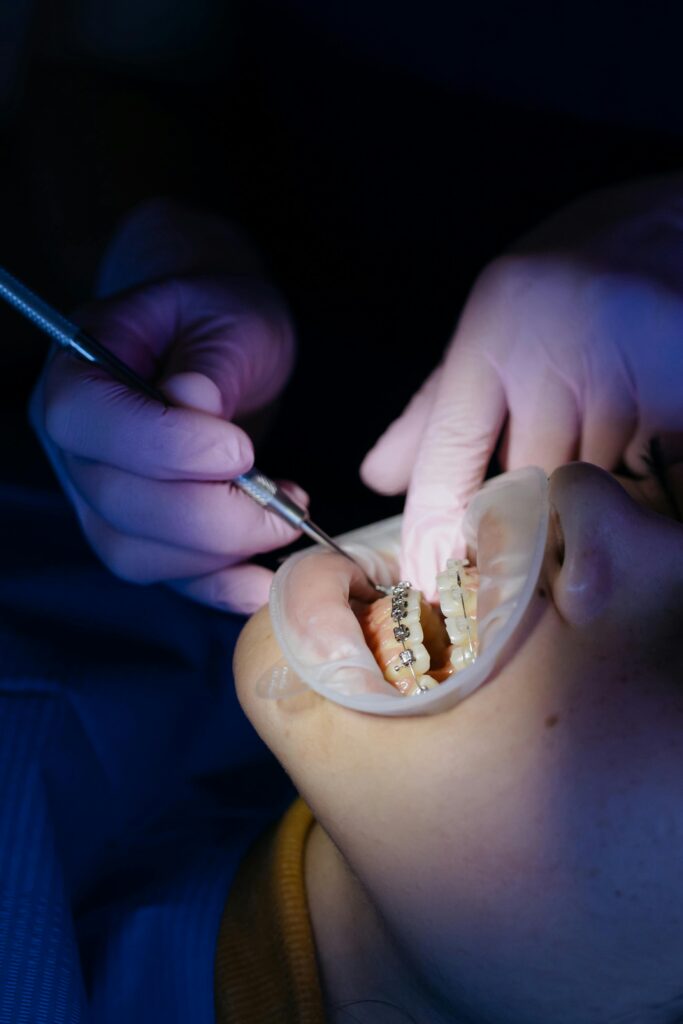
Scaling is carried out using ultrasonic and hand instruments to carefully remove plaque and tartar from:
- Tooth surfaces
- Between teeth
- Beneath the gum line
This step is essential for stopping the progression of gum disease.
Polishing
Once scaling is complete, the teeth are polished with a professional paste that smooths enamel surfaces. This makes it harder for plaque to reattach and helps maintain cleanliness for longer.
Personalised Aftercare Guidance
Patients receive tailored advice on brushing techniques, flossing habits, and lifestyle factors that affect oral health.
Pro Tip: Following personalised aftercare advice can significantly extend the benefits of your dental scaling and polishing treatment.
Dental Scaling vs Polishing: Understanding the Difference
| Procedure | Purpose | Long-Term Benefit |
|---|---|---|
| Scaling | Removes plaque & tartar | Prevents gum disease |
| Polishing | Smooths enamel surfaces | Slows plaque return |
| Combined | Preventive care | Maintains oral stability |
Skipping either step reduces the overall effectiveness of the treatment.
Who Should Prioritise Dental Scaling and Polishing?
Dental scaling and polishing is recommended for everyone, but it is especially important for patients who:
- Experience bleeding or swollen gums
- Drink coffee, tea, or red wine regularly
- Smoke or have smoked in the past
- Wear braces, aligners, or retainers
- Have dental implants, crowns, or bridges
- Have not had a professional clean in over six months
Many patients only seek treatment once discomfort appears, even though gum disease often progresses silently.
Is Dental Scaling and Polishing Safe?
Yes. Dental scaling and polishing is a safe and routine procedure when performed by trained dental professionals. Mild sensitivity may occur temporarily, particularly if significant tartar build-up was present, but this usually settles within a few days as the gums recover and adapt.
For many patients, understanding treatment safety comes down to knowing what to expect and why the procedure is recommended. Clear communication, proper assessment, and evidence-based techniques help ensure dental scaling and polishing remains a predictable and low-risk part of maintaining long-term oral health.
How Often Should You Schedule Dental Scaling and Polishing in Australia?
For most Australians, dental scaling and polishing is recommended every six months. However, the ideal frequency may vary:
- Every 3–4 months for patients with gum disease
- Every 12 months for patients with excellent oral health
- Custom schedules for smokers or patients with systemic health conditions
Your dentist will always base recommendations on clinical findings rather than fixed rules.
How Dental Scaling and Polishing Supports Broader Dental Care
Professional cleaning often serves as the starting point before treatments such as teeth whitening, crowns, dental implants, or orthodontic care. Healthy gums provide a stable foundation for successful outcomes.
For many patients, this journey begins by learning about preventive dental care through Bay Central Dental, where patient-focused oral health philosophy and long-term care are clearly explained. From there, understanding how scaling fits into broader treatment planning becomes easier when reviewing our dental treatments and services, helping patients make informed decisions with confidence.
Why Professional Plaque Control Is Supported at a National Level
The importance of plaque removal extends beyond individual dental clinics. Guidance from the Australian Dental Association consistently reinforces professional cleaning as one of the most effective ways to prevent gum disease and reduce the risk of tooth loss across all age groups.
This national-level support strengthens the role of dental scaling and polishing as a clinically backed preventive measure rather than an optional service.
Conclusion: Why Dental Scaling and Polishing Shouldn’t Be Put Off
Dental scaling and polishing is one of the simplest yet most powerful preventive steps you can take to protect your oral health. By removing plaque and tartar early, you reduce the risk of gum disease, tooth loss, and complex dental treatments later on.
At Bay Central Dental, dental scaling and polishing is positioned as the cornerstone of long-term oral wellbeing, helping patients maintain healthy gums, stable teeth, and confident smiles for years to come 🇦🇺
FAQs (Frequently Asked Questions)
Does dental scaling and polishing hurt?
Most patients experience pressure rather than pain, and discomfort is usually minimal and temporary.
Can dental scaling damage enamel?
No. When performed correctly, it protects enamel by removing harmful deposits.
Why do my teeth feel different after treatment?
You’re feeling your natural tooth surface again after tartar removal.
Can I eat immediately after dental scaling and polishing?
Yes, but waiting around an hour and avoiding staining foods is recommended.
Is dental scaling and polishing still necessary without pain?
Yes. Gum disease often develops without pain until advanced stages.