
Painless dental fillings are modern restorative dental treatments designed to repair cavities while minimising discomfort, anxiety, and post-treatment sensitivity. Thanks to advances in dental technology, local anaesthesia, and minimally invasive techniques, patients can now fix tooth decay without the fear traditionally associated with fillings.
For many Australians, dental anxiety is one of the biggest reasons for postponing treatment. Unfortunately, delaying care often leads to more complex problems. Painless dental fillings remove that barrier by making cavity treatment comfortable, predictable, and stress-free, so oral health doesn’t have to come at the cost of anxiety.
Understanding Painless Dental Fillings
Painless dental fillings refer to cavity treatments that focus on comfort at every stage, from diagnosis to recovery. Rather than simply “numbing the pain,” this approach combines precise techniques with patient-centred care.
Modern painless filling procedures prioritise:
- Minimal removal of healthy tooth structure
- Shorter treatment times
- Reduced vibration and pressure
- Lower risk of post-treatment sensitivity
This shift reflects a broader movement in Australian dentistry toward prevention, comfort, and long-term oral health.
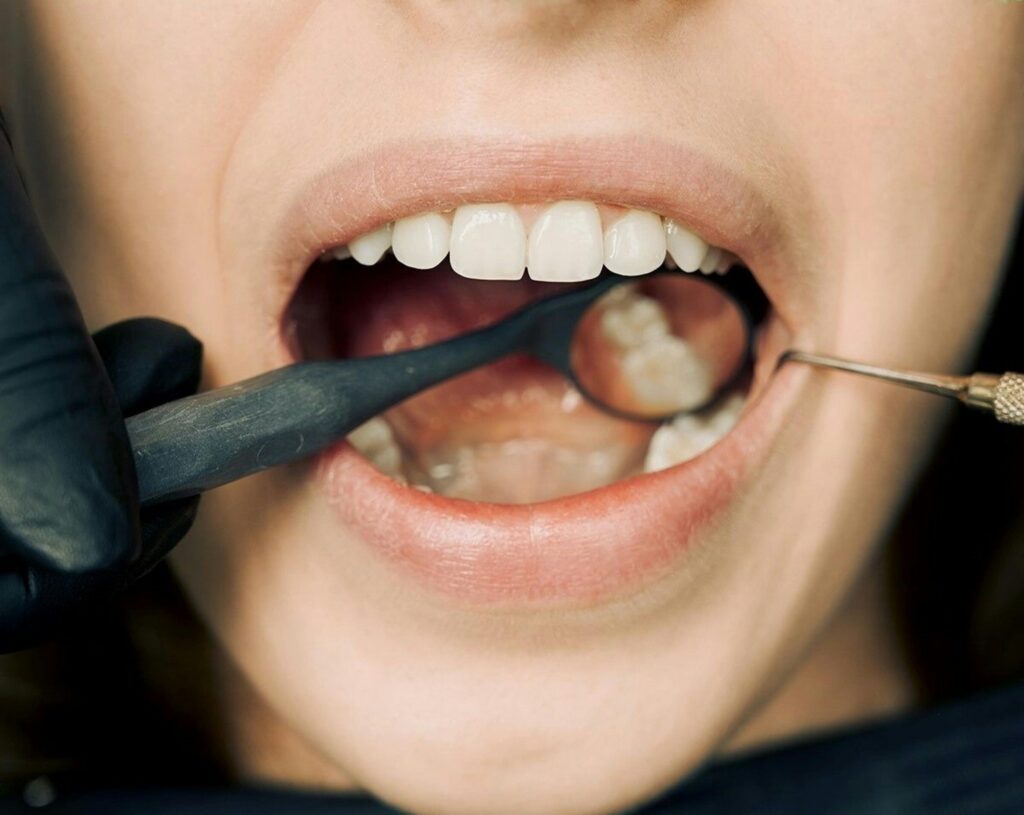
Pro tip: Treating cavities early usually means smaller fillings and a much more comfortable experience overall.
What Makes a Dental Filling Truly “Painless”?
A dental filling can only be considered truly painless when comfort is prioritised at every stage of treatment, from preparation to recovery. Modern dentistry focuses not just on fixing cavities, but on minimising anxiety, reducing physical discomfort, and ensuring patients feel safe and informed throughout the process.
Advanced Local Anaesthesia
Today’s anaesthetic techniques are far more refined than in the past. Dentists use topical numbing gels before injections and administer anaesthetic slowly to reduce discomfort. As a result, most patients feel little more than mild pressure during treatment.
This approach ensures the tooth and surrounding nerves are fully numbed before any work begins, allowing the procedure to be completed smoothly without sudden sensations or pain. For many patients, this eliminates the fear traditionally associated with dental injections.
Minimally Invasive Dentistry
Using precision instruments and magnification, dentists remove only the decayed portion of the tooth. Less drilling means less irritation to the nerve and surrounding tissues, which significantly improves comfort during and after the procedure.
By preserving as much healthy tooth structure as possible, minimally invasive techniques also help reduce post-treatment sensitivity. This makes recovery faster and more comfortable, especially for patients with low pain tolerance.
Calm, Patient-Focused Care
Clear explanations and a relaxed treatment pace also play a major role. Knowing what’s happening, and why helps patients stay calm and in control throughout the appointment.
When dentists actively check in with patients and adapt to their comfort levels, anxiety naturally decreases. This supportive environment is a key reason why many patients are surprised by how easy and pain-free their filling experience feels.
Pro tip: Let your dentist know if you feel anxious, small adjustments in pacing or technique can make a big difference.
Step-by-Step: What to Expect During Painless Dental Fillings
- Initial Examination: The dentist assesses the tooth and confirms the extent of decay using digital imaging.
- Gentle Numbing: A topical gel is applied before local anaesthetic to ensure maximum comfort.
- Targeted Decay Removal: Only the affected area is cleaned, preserving as much natural enamel as possible.
- Filling Placement: Tooth-coloured composite material is layered carefully to restore shape and strength.
- Curing and Polishing: A special curing light hardens the filling, followed by polishing for a smooth, natural finish.
| Stage | Average Time |
|---|---|
| Examination & numbing | 10–15 minutes |
| Decay removal | 10–20 minutes |
| Filling & polishing | 10–15 minutes |
Types of Fillings Commonly Used in Painless Treatments
Composite (Tooth-Coloured) Fillings
Composite fillings bond directly to the tooth, require less drilling, and blend naturally with your smile, making them a popular choice for painless dental fillings.
Glass Ionomer Fillings
Often used for early-stage decay or lower-pressure areas, these fillings release fluoride and provide added protection against future cavities.
Pro tip: Tooth-coloured fillings not only look better but often feel more natural when biting and chewing.
Who Benefits Most from Painless Dental Fillings?
Painless dental fillings are particularly helpful for:
- Patients with dental anxiety
- People with sensitive teeth
- Children and teenagers
- Adults returning to dental care after a long break
- Patients needing multiple restorations
Early intervention plays a key role, smaller cavities are quicker and more comfortable to treat.
Why Early Treatment Leads to More Comfortable Outcomes
One of the main reasons painless dental fillings are so effective is early detection. According to guidance from Australian public health resources, early-stage tooth decay is far easier to manage before it reaches deeper layers of the tooth. Educational material provided by Healthdirect Australia explains how prompt treatment reduces the likelihood of pain, infection, or more invasive procedures later on. This reinforces why addressing cavities early is essential for maintaining comfort and long-term oral health.
How Painless Dental Fillings Help Reduce Dental Anxiety
Many patients associate dental visits with past negative experiences. Modern dentistry actively works to change that perception by using quieter tools, gentler techniques, and clear communication throughout the procedure. These small but meaningful changes help patients feel more in control and less fearful during treatment.
By creating a calm and supportive environment, painless dental fillings help patients rebuild trust and feel more confident about ongoing dental care. Over time, this positive experience encourages better oral health habits, including regular check-ups and early treatment instead of postponing care due to anxiety.
For patients who want to understand exactly how modern fillings are designed to be comfortable and stress-free, this detailed overview of tooth filling treatment explains the techniques, materials, and patient-focused steps that make today’s dental care far less intimidating than in the past.
How Painless Dental Fillings Support Preventive Dentistry
Preventive dentistry focuses on stopping small issues before they become serious problems. Painless dental fillings fit perfectly into this philosophy by encouraging patients to seek treatment early rather than waiting until pain develops.
This approach helps:
- Preserve natural tooth structure
- Reduce the need for complex procedures
- Lower long-term dental costs
It also reflects the patient-focused care philosophy promoted by modern clinics such as Bay Central Dental, where comfort and prevention go hand in hand. You can learn more about their approach by visiting the Bay Central Dental.
Conclusion: Why Painless Dental Fillings Are the Smart Choice
Painless dental fillings remove unnecessary fear from cavity treatment, making it easier for patients to protect their teeth before small issues turn into major problems. With modern materials, gentle techniques, and patient-centred care, maintaining oral health no longer has to be stressful.
If you’re ready to experience comfortable, modern dental care, start by exploring patient-focused services at Bay Central Dental. For more information about available treatment options and to take the next step toward a healthier smile, visit their dental treatments and book a consultation today.
FAQs (Frequently Asked Questions)
Are painless dental fillings completely pain-free?
Most patients feel pressure rather than pain due to effective anaesthesia.
How long does the numbness last?
Usually between one and three hours, depending on the anaesthetic used.
Can I return to work after treatment?
Yes, most people return to normal activities the same day.
Do painless fillings cost more?
Costs depend on the material and complexity, not on comfort level.
Will my filling look natural?
Tooth-coloured fillings are designed to match your natural enamel closely.