
Sleep dentistry for anxious patients is a modern dental approach that uses carefully controlled sedation techniques to help individuals feel deeply relaxed or lightly asleep during dental treatment. It is specifically designed for people who experience anxiety, fear, or emotional distress when visiting the dentist, making dental care more accessible and far less intimidating.
Unlike conventional dental visits that rely solely on local anaesthetic and verbal reassurance, sleep dentistry focuses on the patient’s overall comfort, both mentally and physically. This approach allows patients to undergo treatment without the heightened stress, tension, or panic that often prevents them from seeking care in the first place.
In Australia, sleep dentistry has become an increasingly trusted solution for patients who have delayed treatment due to anxiety. By combining strict clinical safety protocols, patient-focused communication, and advanced sedation methods, dentists can complete necessary procedures comfortably and efficiently, often in fewer appointments. This not only improves patient experience but also supports better long-term oral health outcomes.
Understanding Dental Anxiety and the Need for Sleep Dentistry
Dental anxiety affects a significant portion of the population. Studies suggest that up to 40% of adults experience some level of dental anxiety, while around 10–15% avoid dental care entirely due to fear. These feelings may stem from past negative experiences, fear of pain, loss of control, or even embarrassment about oral health conditions.
For patients with moderate to severe anxiety, traditional reassurance or gentle chairside techniques may not be enough to overcome these fears. Anxiety can trigger physical responses such as increased heart rate, muscle tension, an exaggerated gag reflex, or difficulty staying still, making treatment stressful for both the patient and the dentist.
Sleep dentistry for anxious patients bridges this gap by addressing fear at both psychological and physical levels. Through carefully managed sedation, sleep dentistry for anxious patients helps calm the nervous system, reduce awareness of dental sensations, and create a sense of safety and control during treatment. As a result, sleep dentistry for anxious patients allows individuals who once avoided dental visits to finally receive essential care without overwhelming stress.
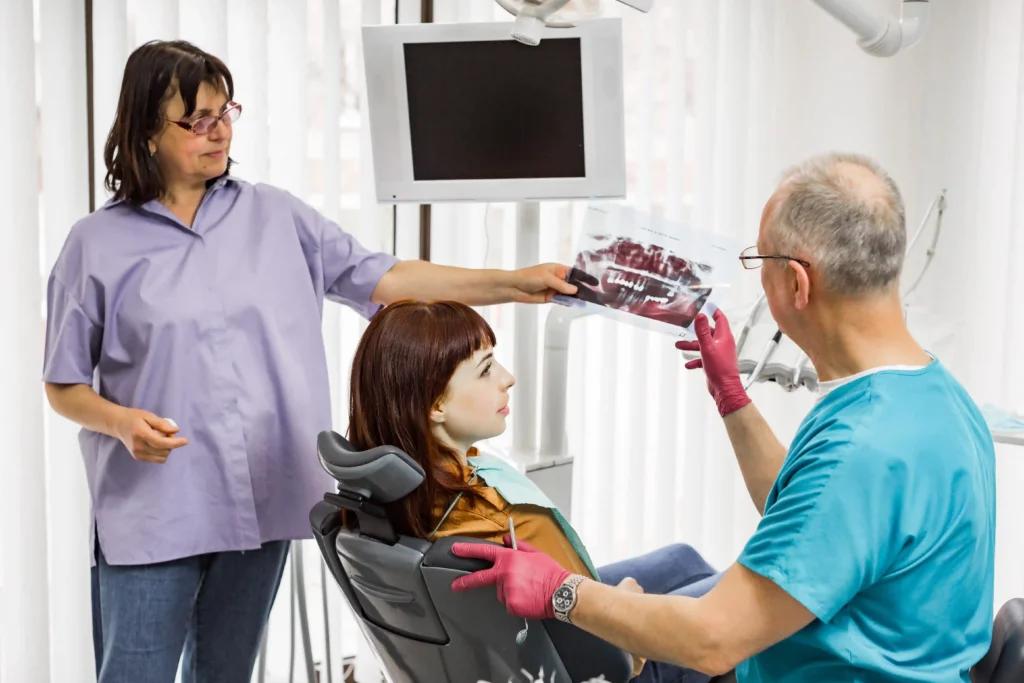
What Is Sleep Dentistry for Anxious Patients?
Sleep dentistry for anxious patients involves the use of sedation to create a deeply relaxed state during dental procedures. Contrary to the name, most patients are not fully asleep but remain semi-conscious, calm, and largely unaware of the treatment being performed. Many report feeling as though time passed very quickly, with little to no memory of the procedure itself.
This form of dentistry is carefully planned and supervised by trained professionals. Before treatment, the dentist assesses medical history, anxiety levels, and the complexity of the procedure to ensure the safest and most comfortable sedation option is chosen.
Common Sedation Levels Used
Different levels of sedation are available to match each patient’s needs and comfort level:
- Minimal sedation: Patient is relaxed but fully awake
- Moderate sedation: Patient feels drowsy and may not remember much
- Deep sedation: Patient is on the edge of sleep but responsive
Each sedation level is carefully selected based on the patient’s medical history, anxiety severity, and treatment complexity, ensuring both comfort and safety throughout the dental visit.
How Sleep Dentistry Supports Anxiety Management
Sleep dentistry is most effective when viewed as part of a broader anxiety-care strategy rather than a standalone solution. For many patients, Sleep dentistry for anxious patients supports a gradual approach to managing dental fear, one that begins with understanding, reassurance, and a sense of control long before sedation is introduced.
In practice, patients often start their journey by building trust through open communication, clear explanations of procedures, and predictable treatment steps. Once this foundation is established, Sleep dentistry for anxious patients can be introduced as a supportive tool to reduce physical stress responses such as tension, panic, or hypersensitivity during treatment.
In fact, Sleep dentistry for anxious patients works best when combined with proven dental anxiety treatmnt approaches that prioritise transparency, patient consent, and emotional safety. When patients feel informed and respected, sedation becomes an enhancement to comfort rather than a last resort.
Pro tip: Patients who combine behavioural support, such as gradual exposure, relaxation techniques, or consistent care routines, with sedation often experience long-term improvements in anxiety. Over time, many find they require lighter sedation or none at all, as their confidence with dental care increases.
Types of Sleep Dentistry Available in Australia
Australia offers several well-established sleep dentistry options, allowing dentists to tailor anxiety management based on individual comfort levels, medical history, and treatment complexity.
Oral Sedation
Oral sedation typically involves tablets taken before the appointment to help patients feel calm, relaxed, and slightly drowsy. While patients remain conscious, anxiety levels are significantly reduced, making this option well suited for those with moderate dental fear or previous negative experiences.
This method is often chosen for routine procedures where emotional comfort is the primary concern rather than procedural complexity.
Nitrous Oxide (Happy Gas)
Nitrous oxide, commonly known as happy gas, is a fast-acting and easily adjustable form of sedation. It induces a sense of relaxation and calm while keeping the patient awake, responsive, and able to communicate throughout the procedure.
Because its effects wear off quickly, nitrous oxide is ideal for patients who want immediate anxiety relief without prolonged recovery time. It is frequently used for mild to moderate anxiety and shorter treatments.
IV Sedation
IV sedation provides a deeper level of relaxation and is administered by trained and qualified professionals under strict clinical protocols. Patients typically feel deeply calm and may remember very little of the procedure afterward.
This option is particularly suitable for individuals with severe dental anxiety, strong gag reflexes, or those undergoing longer or more complex dental treatments. IV sedation allows dental work to be completed efficiently while maintaining a high level of patient comfort and safety.
| Sedation Type | Anxiety Level | Recovery Time | Common Use |
|---|---|---|---|
| Oral sedation | Moderate | Several hours | Routine procedures |
| Happy gas | Mild–moderate | Minutes | Short treatments |
| IV sedation | Severe | Same day | Extensive procedures |
Safety and Regulation of Sleep Dentistry
Sleep dentistry for anxious patients is highly regulated in Australia, with patient safety placed at the centre of every sedation-related procedure. Dentists who provide sleep dentistry for anxious patients must undergo additional accredited training, maintain up-to-date certifications, and adhere to clearly defined clinical guidelines designed to minimise risk and maximise patient comfort.
Before any form of sedation is provided, patients receive a thorough medical assessment that includes health history, current medications, and individual risk factors. Throughout treatment, vital signs are continuously monitored, and emergency protocols are always in place, ensuring sleep dentistry for anxious patients is delivered within a controlled and secure clinical environment.
According to guidance provided by the Australian Dental Association, sedation dentistry is considered safe when performed by qualified practitioners who follow established clinical standards. These standards cover everything from patient selection and consent to equipment requirements and post-treatment recovery protocols. This regulatory framework ensures that anxious patients receive care that is not only comfortable but also clinically responsible.
Benefits of Sleep Dentistry for Anxious Patients
Sleep dentistry offers more than immediate comfort, it creates better treatment outcomes for both patients and clinicians by removing fear-related barriers to care. When anxiety is effectively managed, dental treatment becomes more efficient, precise, and positive overall.
Patients who previously avoided the dentist often find they can finally address long-standing oral health issues in a calm and supportive setting.
Key Advantages
- Reduced fear and emotional distress
- Ability to complete multiple treatments in one visit
- Less muscle tension and gag reflex
- Improved treatment accuracy
Pro tip: Many patients report feeling more confident returning for future visits after a positive sleep dentistry experience.
Who Is a Good Candidate for Sleep Dentistry?
Sleep dentistry for anxious patients may be suitable if you:
- Avoid dental visits due to fear
- Have had traumatic dental experiences
- Need extensive or complex treatment
- Experience a strong gag reflex
- Feel panic or loss of control in the chair
A thorough consultation ensures sedation is appropriate and tailored safely.
How Sleep Dentistry Fits into Modern Patient-Centred Care
Today’s dentistry is no longer just about fixing teeth, it’s about caring for people as individuals. Modern, patient-centred care recognises that emotional comfort, trust, and clear communication are just as important as clinical skill. For patients with dental anxiety, this shift has been especially transformative.
Clinics that integrate sleep dentistry often place strong emphasis on long-term relationships, preventive care, and emotional wellbeing. Rather than rushing treatment, they focus on understanding each patient’s concerns, explaining options clearly, and adapting care to suit individual comfort levels. Sleep dentistry fits naturally into this model by removing fear as a barrier to consistent oral health care, making dental anxiety treatment an essential part of modern practice.
This philosophy aligns closely with the principles of dental anxiety treatment, where patient comfort, open communication, and safety remain central to every treatment plan. By combining modern sedation options with a calm, respectful environment, this approach helps patients feel heard, supported, and in control of their dental journey
What to Expect Before, During, and After Sleep Dentistry
Before Your Appointment
- Medical history review
- Anxiety assessment
- Sedation discussion and consent
During Treatment
- Continuous monitoring
- Calm, controlled environment
- Minimal awareness of procedure
After Treatment
- Short recovery period
- Post-care instructions
- Follow-up support
Pro tip: Arrange transport home if sedation affects alertness.
When Sleep Dentistry Is the Right Choice
Sleep dentistry becomes particularly valuable when anxiety begins to interfere with essential dental care. Many patients delay appointments due to fear, only to find that minor issues progress into more complex problems that require longer, more invasive procedures.
In these situations, sedation allows treatment to be completed efficiently and comfortably, helping patients address their oral health without the emotional strain that previously held them back. Early intervention supported by anxiety management often leads to better outcomes and fewer procedures over time.
Patients can explore comfort-focused options by reviewing available dental treatments designed to support anxious individuals at every stage of care. Having access to tailored treatment pathways helps patients make informed decisions with confidence rather than fear.
Conclusion: A Calmer Path to Dental Health Starts Here
Sleep dentistry for anxious patients offers a compassionate and effective way to receive dental care without fear. By combining sedation, clear communication, and modern techniques, it transforms the dental experience into one that feels manageable, and often surprisingly positive.
If anxiety has kept you from prioritising your oral health, now is the time to explore patient-first care at Bay Central Dental, where comfort, safety, and trust are built into every step of treatment.
FAQs (Frequently Asked Questions)
Is sleep dentistry safe?
Yes. When delivered by trained professionals, it follows strict safety standards.
Will I be completely asleep?
Most patients are deeply relaxed, not fully unconscious.
Can children use sleep dentistry?
In some cases, yes—following careful assessment.
Is recovery time long?
Most patients recover the same day.
Does it cure dental anxiety?
It reduces fear significantly and often improves long-term confidence.