
A gap-toothed smile can be charming or endlessly frustrating. depending on who you ask. In modern cosmetic dentistry, veneers for gaps have become one of the most talked-about solutions for people who want fast, visible results without years of orthodontics. But here’s the catch: while veneers look effortless on Instagram, the reality behind them is far more nuanced.
This guide breaks down what veneers really do, who they’re for, who should absolutely avoid them, and why Australian dentists are increasingly selective about recommending them. No fluff. No sales talk. Just straight facts.
What Are Veneers and How Do They Close Dental Gaps?
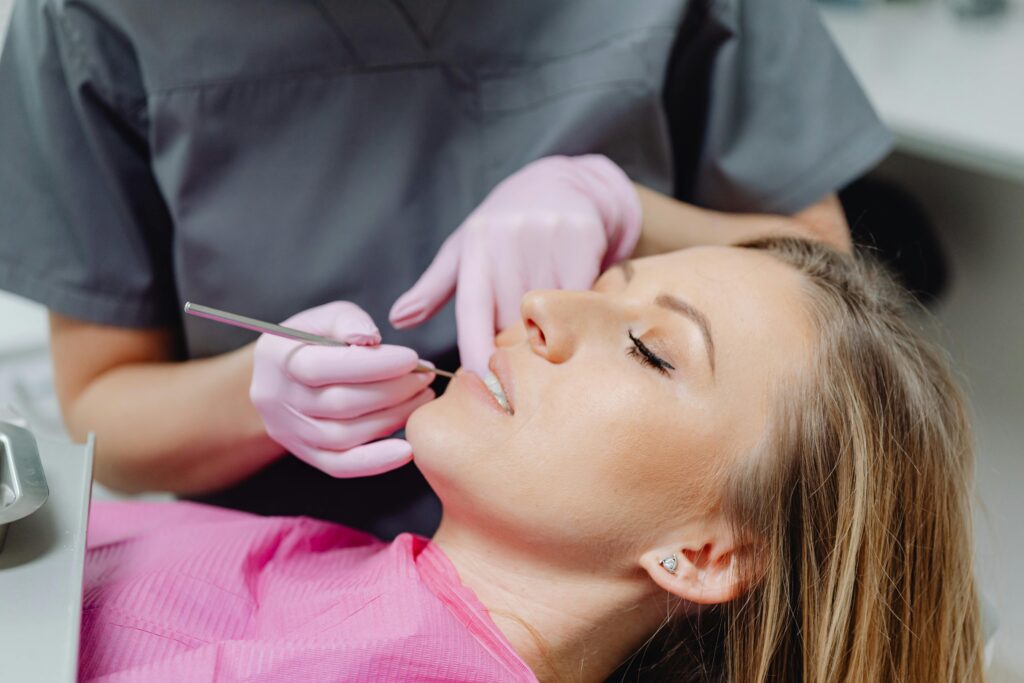
Dental veneers are ultra-thin shells usually porcelain or composite resin custom bonded to the front of teeth. Their job is to alter shape, width, color, and alignment appearance.
When gaps are present, veneers don’t physically move teeth. Instead, they redistribute visual space, making teeth appear wider so gaps disappear. This is why veneers for gaps work best for small to moderate spacing, not severe orthodontic cases.
Think of veneers as architectural design, not demolition. They reshape the façade, not the foundation.
When Veneers Create Gaps Elsewhere: The Identity Shift No One Warns You About
Almost every discussion around cosmetic dentistry focuses on teeth, bite, or aesthetics. What’s rarely addressed is what happens after the mirror stops being exciting.
For some patients, closing gaps isn’t just a physical change. it quietly alters how they’re perceived and how they perceive themselves. Dentists see this pattern more often than marketing brochures admit patients who technically love the result, yet feel strangely disconnected from their own smile.
Why? Because gaps often become part of personal identity. They’re tied to:
- recognisability (“people always remembered my smile”)
- family resemblance (“I had the same gap as my mum”)
- cultural or childhood associations
When veneers for gaps remove that feature entirely, the smile may look objectively better but subjectively unfamiliar. This isn’t regret. It’s identity recalibration.
In post-treatment reviews, some patients describe:
- needing time to feel “like themselves” again
- feeling more confident socially but less distinctive
- receiving different reactions from others than before
Interestingly, clinics that offer conservative veneer designs leaving micro-spacing or subtle asymmetry. report higher long-term satisfaction than those that fully eliminate gaps. The takeaway is clear: cosmetic success isn’t always about erasing features; sometimes it’s about editing them gently.
This is why advanced smile design now includes conversations about personality, not just proportions. Veneers should enhance who you are, not overwrite it.
The Science Behind Veneer Proportions
Closing gaps isn’t just about covering space. Dentists use a concept called the Golden Proportion, a mathematical ratio that governs how wide each tooth should appear relative to the next.
If veneers ignore these proportions:
- Teeth look oversized
- Smiles appear artificial
- Facial balance is disrupted
Experienced clinicians digitally map tooth width, gum symmetry, and facial midline before recommending veneers for gaps. This planning phase is often what separates premium outcomes from regrettable ones.
Getting veneers also has its good sides and bad sides. If you’d like to learn about the bad sides, check out one of Joyce The Dentist’s articles on “Why Veneers Are Bad?” so you can reconsider before getting veneers.
Veneers vs Other Gap-Closing Options
| Treatment Option | Timeframe | Reversibility | Best For |
|---|---|---|---|
| Veneers | 2–3 visits | Irreversible | Cosmetic-focused cases |
| Clear Aligners | 6–18 months | Reversible | Structural spacing |
| Bonding | 1 visit | Semi-reversible | Minor gaps |
| Crowns | 2–3 visits | Irreversible | Damaged teeth |
Veneers for gaps sit in a unique space: fast, permanent, and aesthetic. but not always medically necessary. For readers who want to see how veneers work beyond closing gaps, explore Smile Makeover with Veneers to understand planning, design, and long-term results in a full smile makeover.
How Closing Gaps Changes Speech, Airflow, and Micro-Pronunciation

One of the least discussed effects of cosmetic dental work isn’t visual at all. it’s phonetic.
Small gaps between teeth subtly influence how air flows during speech. For many people, those spaces play a role in shaping sounds like s, th, f, and v. Patients don’t usually notice it until after treatment, when their voice feels “slightly off” for a few weeks.
With veneers for gaps, the oral airflow pattern changes because:
- Air no longer escapes through inter-dental spaces
- Tongue placement adjusts unconsciously
- Lip-to-tooth contact becomes more consistent
Speech therapists have long recognized that even minor dental changes can affect articulation. In cosmetic dentistry, this is rarely addressed upfront, yet it explains why some patients report temporary lisps or altered pronunciation despite technically perfect veneers.
The good news: in most cases, the brain adapts quickly. Within two to six weeks, neuromuscular coordination recalibrates, and speech normalizes. However, patients who rely heavily on vocal precision, teachers, presenters, actors, broadcasters often notice the change more acutely.
This is why experienced clinicians design veneers conservatively, especially around the incisal edges. Over-bulking teeth to close gaps faster can unintentionally interfere with speech mechanics. Precision matters more than speed.
In short, veneers don’t just change how a smile looks. they briefly change how it sounds. A detail rarely mentioned, but critical for informed decision-making.
The Hidden Downsides No One Talks About
This is where honesty matters.
Veneers require enamel removal. a non-renewable tissue. Once enamel is gone, veneers become a lifelong commitment. Replacement is inevitable every 10–15 years.
Other risks include:
- Sensitivity post-procedure
- Chipping if bite forces are ignored
- Gum irritation from poorly contoured edges
That’s why reputable Australian clinics insist on comprehensive exams before proceeding.
Case Study: A Real-World Veneer Outcome
A Melbourne-based cosmetic clinic tracked 120 veneer cases over five years. Results showed:
- 92% patient satisfaction
- 8% required early adjustment
- 3% needed full replacement due to bite miscalculation
The takeaway? Veneers for gaps succeed when planning outweighs speed.
How Dentists Decide Between Veneers and Crowns
Veneers preserve more tooth structure than crowns. However, if teeth are already compromised, Crown & Bridge treatments may offer better long-term stability. This is why a full diagnostic assessment. not aesthetics alone drives ethical treatment planning.
For patients with structurally weakened teeth alongside spacing concerns, our Crown & Bridge service page explains when veneers may not be the best solution.
Conclusion
Veneers aren’t magic. They’re a precision tool. When used thoughtfully, they can transform a smile with confidence-boosting results. When rushed, they create lifelong regret.
If you’re considering cosmetic dentistry, your first step shouldn’t be veneers, it should be clarity. Visit Bay Central Dental website to explore expert-led treatment planning, transparent advice, and personalized consultations built around long-term oral health. not trends.
Pro Tips:
- Always request a digital smile preview
- Ask about enamel removal depth
- Prioritise function over aesthetics
- Choose experience over price
A great smile isn’t rushed. It’s designed.
Frequently Questions Asked
Do veneers damage natural teeth?
They permanently alter enamel but do not “damage” healthy teeth when done correctly.
How long do veneers last?
Typically 10–15 years with proper care.
Can gaps reopen after veneers?
No. but veneer failure can expose underlying spacing.
Are veneers painful?
Discomfort is minimal and usually temporary.
Can veneers look natural?
Yes, when proportion and shade are professionally planned.