
Modern dental veneers are thin, custom-made layers placed over the front surface of teeth to improve their appearance. They’re designed to fix common issues like chips, stains, gaps, or uneven shapes, while still looking, well… normal. Not fake-white, not bulky, just like teeth you were meant to have in the first place.
Compared to older veneer techniques, modern dental veneers focus more on preservation. Dentists now remove far less enamel, use stronger materials, and rely on digital planning so the final smile fits the face, not just the teeth. This shift is why veneers today look more natural and last longer than they did a decade ago.
In Australia especially, veneers are often chosen by people who want a noticeable improvement without going down a full cosmetic makeover path. It’s more about confidence than perfection.
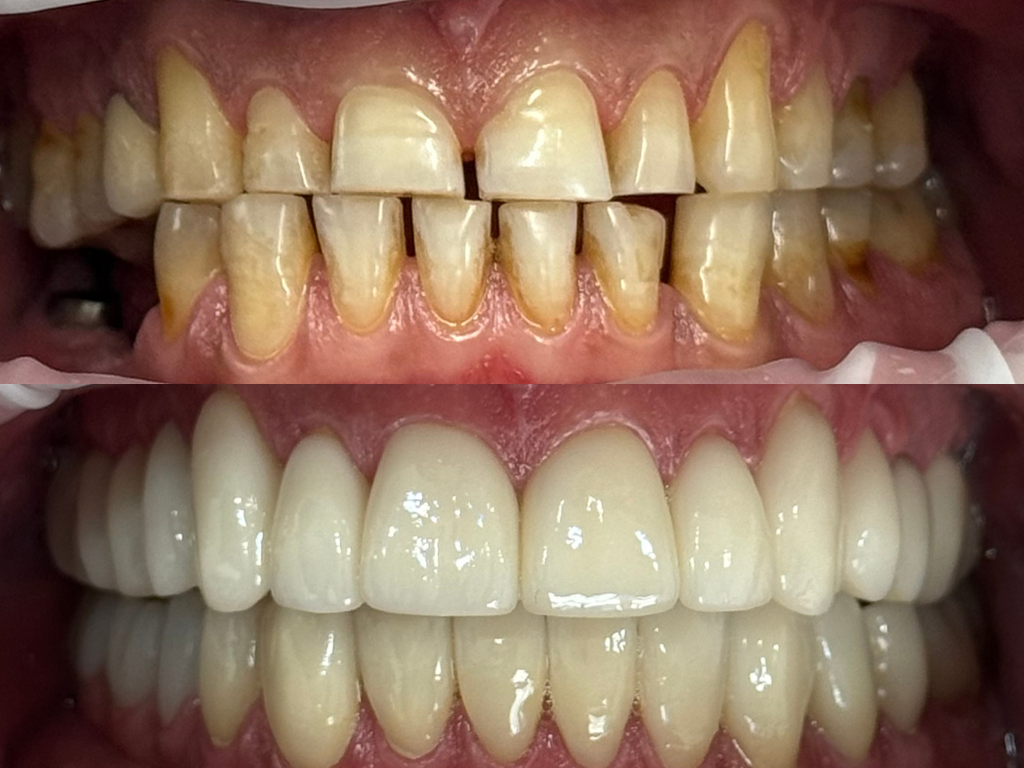
What Makes Modern Dental Veneers Different?
From old-school to modern techniques
Back in the day, veneers had a bit of a reputation. Too thick. Too white. Sometimes obvious from across the room. Modern dental veneers moved away from that completely.
Here’s what’s changed:
- Minimal enamel removal
- Better bonding technology
- Digital smile design before treatment starts
- Shade matching based on skin tone and age
- Stronger ceramics that don’t chip easily
Dentists now design veneers to blend into your existing smile, not overwrite it.
Materials used in modern dental veneers
Most clinics today work with two main materials:
| Material Type | Best For | Longevity |
|---|---|---|
| Porcelain veneers | Natural look, durability | 10–15 years |
| Composite veneers | Budget-friendly, quick fixes | 5–7 years |
Porcelain remains the preferred choice for patients wanting long-lasting and realistic results. You can read more about this option specifically on porcelain veneer treatments
Who Are Modern Dental Veneers Actually For?
Not everyone needs veneers, and that’s important to say out loud. Modern dental veneers work best for people dealing with:
- Mild to moderate discolouration
- Small chips or cracks
- Gaps between teeth
- Slight misalignment
- Worn edges from grinding
They’re not always the first option for severe bite problems or heavy grinding, unless those issues are managed first.
A good dentist will usually suggest veneers only after checking gum health, bite alignment, and long-term wear risks. That step often gets skipped in cheaper overseas treatments, which explains a lot of horror stories.
The Modern Dental Veneer Process (Step by Step)
Step 1: Consultation and smile assessment
This is where expectations get sorted. Dentists assess facial balance, lip movement, and tooth structure. Photos, scans, and sometimes wax-ups are used.
Step 2: Digital smile planning
Modern clinics use digital mock-ups so patients can preview results. This reduces surprises later.
Step 3: Tooth preparation
Minimal shaping is done, just enough for the veneer to sit flush. In some cases, no drilling is required at all.
Step 4: Temporary veneers
You’ll usually wear temporaries while the final veneers are made. This phase helps fine-tune shape and feel.
Step 5: Final bonding
Once bonded, veneers become part of the tooth structure. Eating, talking, smiling, all back to normal, usually within a day.
Benefits of Choosing Modern Dental Veneers
Modern dental veneers offer more than just cosmetic changes.
- Natural translucency, not flat white
- Long-term durability with proper care
- Minimal impact on natural tooth structure
- Improved confidence in social and professional settings
- Faster results compared to orthodontics in mild cases
Clinical data published by the Australian Dental Association supports veneers as a safe cosmetic option when planned correctly
Cost of Modern Dental Veneers in Australia
Costs vary depending on material, dentist experience, and location.
| Veneer Type | Average Cost (AUD) |
|---|---|
| Porcelain veneer (per tooth) | $1,800 – $2,500 |
| Composite veneer (per tooth) | $400 – $900 |
For patients looking for value-focused options without compromising quality, you can learn more about affordable veneers near Caringbah, which are designed to balance cost, durability, and a natural-looking result while still following modern dental standards.
Common Myths About Modern Dental Veneers
“They ruin your natural teeth”
Not true with modern techniques. Minimal prep preserves enamel.
“They look fake”
Only when poorly designed. Modern dental veneers are layered to mimic natural teeth.
“They’re high maintenance”
Basic oral hygiene is usually enough: brushing, flossing, regular check-ups.
Modern Dental Veneers vs Other Treatments
Veneers vs teeth whitening
Whitening changes colour only. Veneers fix shape, alignment, and colour together.
Veneers vs orthodontics
Orthodontics moves teeth. Veneers reshape appearance. Sometimes, a short ortho phase before veneers works best.
Veneers vs crowns
Crowns cover the entire tooth. Veneers only cover the front, preserving more structure.
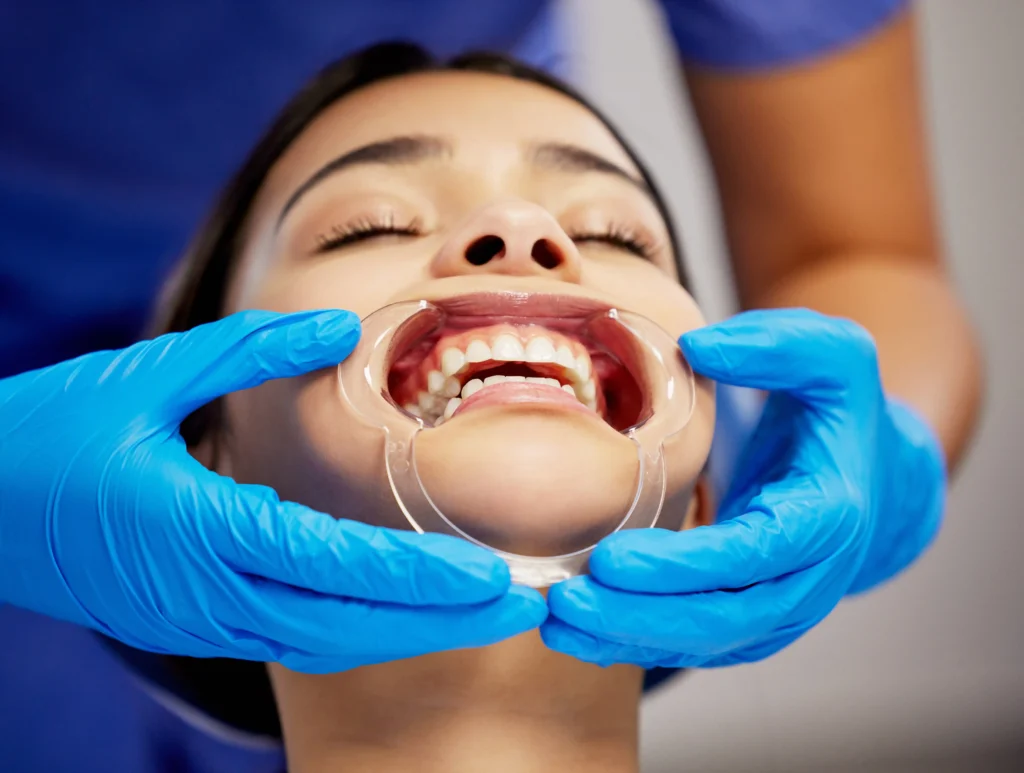
Simple Case Insight: Realistic Results Matter
In Australian clinics, many veneer cases involve professionals aged 30–50 who want subtle improvement. Not movie-star smiles. Just teeth that match how they feel inside.
A typical case might involve:
- 4–6 veneers on upper front teeth
- Slight colour lift, not bleach white
- Rounded edges for softer appearance
The key takeaway? Modern dental veneers are about harmony, not extremes.
Pro Tips Before Getting Modern Dental Veneers
- Always ask to see real case photos
- Don’t rush the planning stage
- Match veneer shade to skin tone, not Instagram trends
- Wear a night guard if you grind your teeth
- Prioritise dentist experience over price
Small decisions here make a big difference long-term.
Conclusion: Choosing the Right Place for Modern Dental Veneers
Modern dental veneers work best when they’re planned properly, placed conservatively, and designed for real life, not just photos. The difference between an okay result and a great one often comes down to the clinic’s experience, materials, and attention to detail.
If you’re considering modern dental veneers and want results that look natural, feel comfortable, and actually last, it’s worth speaking with a team that handles cosmetic and restorative dentistry together, not separately.
At Bay Central Dental, veneers are planned with long-term oral health in mind, not just short-term aesthetics. From digital smile planning to material selection, everything is done carefully, and honestly, that shows in the results.
If you’re ready to explore your options, start with a proper consultation on our website and see what’s realistically possible for your smile.
Frequently Questions Asked
Are modern dental veneers permanent?
They’re long-lasting but not permanent. Porcelain veneers usually last over a decade with care.
Do veneers feel strange at first?
Maybe for a day or two. Most people forget they’re there pretty quickly.
Can veneers stain over time?
Porcelain resists staining very well. Composite veneers can stain more easily.
Is the procedure painful?
Most patients describe it as mild discomfort at most, often none.
Can I eat normally after veneers?
Yes. Just avoid biting very hard objects like ice or pens.