
suitability of bonding for cosmetics describes how effective dental bonding can be in improving smile aesthetics while maintaining the integrity of natural teeth. Cosmetic bonding uses tooth-coloured composite resin to repair chips, reshape edges, close minor gaps, and enhance symmetry, all without aggressive drilling or major structural change.
Across modern Australian dental clinics, bonding has gained popularity because it balances affordability, aesthetics, and conservative care. Rather than viewing bonding as a quick cosmetic fix, many clinicians now treat it as part of a broader smile design philosophy that considers facial harmony, bite stability, and long-term oral health.
For patients wanting noticeable improvement without committing to extensive procedures, understanding the real suitability of bonding for cosmetics is often the first step towards a confident decision.
Why the Suitability of Bonding for Cosmetics Goes Beyond Appearance
Cosmetic dentistry isn’t simply about achieving whiter or straighter teeth. Dentists evaluate multiple clinical factors before recommending bonding, including enamel condition, bite alignment, and lifestyle habits.
Key Assessment Factors
- Thickness and health of natural enamel
- Tooth positioning and bite pressure
- History of grinding or clenching
- Oral hygiene and diet
- Personal aesthetic goals
Bonding is especially appealing because it preserves natural tooth structure. Many Australian dentists favour this minimally invasive approach for patients who want subtle, reversible changes without extensive reshaping.
Cosmetic Concerns Bonding Can Improve
- Small chips or fractures
- Minor spacing between teeth
- Slightly uneven edges
- Mild discolouration
- Worn enamel surfaces
These indications highlight why the suitability of bonding for cosmetics often depends on balance, not just appearance, but also long-term function.
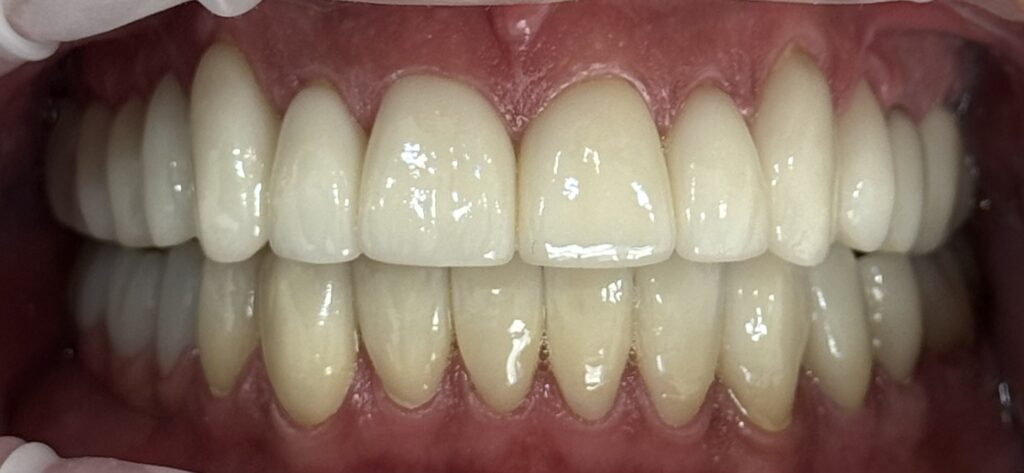
How Cosmetic Bonding Works: Step-by-Step Treatment Explained
Understanding the process helps patients feel more confident about what happens during treatment. Learning about the suitability of bonding for cosmetics also gives clearer expectations about how small, precise changes can enhance a smile without overly invasive procedures. Each stage is designed to balance aesthetics, comfort, and natural-looking results.
Initial Consultation and Smile Planning
This stage focuses on evaluating tooth shape, colour balance, and overall facial harmony before any bonding begins. Digital imaging and shade matching allow the dentist to design a result that blends with surrounding teeth rather than standing out. Assessing the suitability of bonding for cosmetics early ensures that bonding is the right option for the patient’s goals, especially when subtle reshaping or minor corrections are desired.
Gentle Tooth Preparation
The tooth surface is lightly conditioned to improve how the bonding material adheres. Unlike more invasive cosmetic procedures, this preparation is minimal and aims to preserve as much natural enamel as possible. This conservative approach is one of the reasons the suitability of bonding for cosmetics is often associated with patients seeking small aesthetic improvements rather than major structural changes.
Composite Application
During this step, the dentist carefully layers composite resin to mimic the natural translucency and texture of enamel. Each layer is sculpted to refine edges, close tiny gaps, or smooth uneven surfaces. The artistic aspect of this stage plays a big role in determining the overall suitability of bonding for cosmetics, as the material must be shaped precisely to maintain a natural appearance.
Light Curing Technology
Specialised curing lights are used to harden each layer of resin almost instantly. This technology strengthens the material while allowing the dentist to work gradually and make detailed adjustments. Controlled curing also helps maintain the intended shape and ensures the bonding feels stable during everyday use.
Final Shaping and Polishing
Once the bonding is fully cured, the dentist refines the contours and polishes the surface to create a smooth, natural shine. This final step ensures the treated tooth reflects light similarly to surrounding enamel, helping the bonding blend seamlessly into the smile. Careful finishing is essential in achieving results that highlight the true suitability of bonding for cosmetics as a subtle yet effective smile enhancement.
Most bonding procedures can be completed within a single appointment, making the process efficient while still delivering detailed, personalised results.
Comparing Bonding With Other Cosmetic Solutions
Before choosing any cosmetic treatment, it helps to understand how each option differs in terms of preparation, longevity, and overall results. Evaluating the suitability of bonding for cosmetics alongside alternatives like porcelain veneers or whitening allows patients to see where bonding truly shines, particularly for subtle refinements and minimally invasive smile improvements. The comparison below highlights the practical differences so you can better match your aesthetic goals with the most appropriate treatment approach.
| Feature | Cosmetic Bonding | Porcelain Veneers | Whitening |
|---|---|---|---|
| Tooth Preparation | Minimal | Moderate | None |
| Appointment Length | Short | Multiple Visits | Short |
| Longevity | 5–8 years (avg.) | 10–15+ years | Maintenance Needed |
| Repairability | Easy | Limited | Not Applicable |
| Cost | Lower | Higher | Moderate |
While bonding suits many aesthetic concerns, some patients exploring broader smile upgrades may also consider related treatments. For instance, if you’re curious about alternative approaches that combine artistry with conservative techniques, you can continue reading about composite veneers in caringbah to understand how they compare within modern cosmetic dentistry.
Who Is the Ideal Candidate? Understanding True Suitability of Bonding for Cosmetics
Not every smile transformation requires porcelain or orthodontics. Bonding tends to work best for patients who:
- Have structurally healthy teeth
- Want moderate aesthetic improvements
- Prefer a minimally invasive solution
- Are looking for a cost-effective cosmetic option
Situations Where Bonding May Not Be Ideal
- Severe crowding or bite misalignment
- Heavy teeth grinding (bruxism)
- Extensive tooth damage
- Deep intrinsic staining
In these cases, dentists may recommend alternative treatments or combine bonding with other cosmetic strategies to achieve more stable results.
Clinical Insights and Real-World Observations
Australian dental case reviews show that composite bonding can maintain excellent aesthetics when patients follow proper maintenance routines. One typical scenario involved a patient with chipped incisors from a weekend sport injury:
Case Snapshot
- Treatment Time: Around 60 minutes
- Materials: Modern nano-hybrid composite resin
- Outcome: Improved symmetry and natural shine
- Follow-up: Minor polish after 18 months
Professional organisations also support minimally invasive cosmetic care. To better understand the science behind materials and preventive dentistry, many patients explore educational resources provided by the Australian Dental Association, which offers evidence-based information about oral health and restorative treatments.
Benefits and Limitations: A Balanced Look
Benefits of Cosmetic Bonding
- Conservative and enamel-friendly
- Faster than many cosmetic procedures
- Easily repairable
- Natural-looking results
Potential Limitations
- Less stain-resistant than porcelain
- May require occasional polishing
- Not suitable for major structural changes
The key to assessing the suitability of bonding for cosmetics is matching expectations with realistic outcomes — something experienced clinicians emphasise during consultations.
The Role of Experience and Modern Smile Design
Today’s cosmetic dentistry combines digital planning, artistic shaping, and functional analysis. At Bay Central Dental, clinicians integrate preventive care with aesthetic design to ensure results feel both natural and sustainable.
If you’d like to understand the broader philosophy behind their patient-focused approach, you might begin by exploring the practice through Bay Central Dental, where treatment planning emphasises comfort, education, and long-term oral health.
Many patients appreciate that bonding allows gradual improvements, meaning you can enhance your smile step by step rather than committing to a dramatic transformation all at once.
When to Consider Advanced Cosmetic Options Instead
Although bonding is versatile, some patients require a more comprehensive approach. Extensive wear, heavy discolouration, or bite instability may benefit from layered cosmetic planning.
If you’re considering a tailored treatment pathway guided by experienced clinicians, you can naturally continue your research by reviewing the dedicated service information about composite veneers and bonding, which explains how different cosmetic techniques work together to create balanced results.
Conclusion: Understanding the Suitability of Bonding for Cosmetics Starts With the Right Guidance
The suitability of bonding for cosmetics ultimately comes down to personalised assessment. When performed by experienced professionals, bonding offers a conservative, natural-looking, and flexible way to enhance your smile without extensive dental work.
If you’re ready to take the next step, a helpful starting point is exploring Bay Central Dental to learn about their holistic approach to smile design. From there, you can dive deeper into treatment options through their detailed page on composite veneers and bonding to understand which pathway best aligns with your goals.
FAQs (Frequently Asked Questions)
Is cosmetic bonding permanent?
Bonding is considered a long-term cosmetic enhancement rather than a permanent one. The material is durable, but it may require maintenance or touch-ups over the years due to natural wear, lifestyle habits, or minor staining. Understanding the suitability of bonding for cosmetics helps patients choose this option when they want flexibility, as bonding can usually be adjusted or refreshed without extensive procedures.
Does bonding harm natural teeth?
No, one of the main advantages of bonding is its conservative approach. Very little, if any, enamel removal is required, which helps preserve natural tooth structure. Dentists carefully evaluate the suitability of bonding for cosmetics beforehand to ensure the treatment enhances appearance while maintaining long-term oral health.
Can bonding make teeth look straighter?
Yes, bonding can create the visual illusion of straighter teeth by reshaping edges, adjusting proportions, or closing small gaps. However, it doesn’t physically move teeth, so orthodontic treatment may still be recommended for significant alignment issues. Assessing the suitability of bonding for cosmetics allows dentists to determine whether bonding alone will achieve the desired aesthetic balance.
Will bonding stain over time?
Composite materials are slightly more porous than porcelain, which means they can gradually pick up surface stains from coffee, tea, or certain foods. Regular polishing during dental visits and consistent home care help maintain brightness and extend the lifespan of the result. Patients who understand the suitability of bonding for cosmetics often accept that occasional maintenance is part of keeping the smile looking fresh.
How long does a bonding appointment usually take?
Most bonding procedures take around 45–90 minutes per tooth, depending on how much shaping and detailing is required. Because the dentist sculpts the material directly on the tooth, the appointment involves careful layering, curing, and polishing to achieve a natural finish. This efficient timeframe is one reason the suitability of bonding for cosmetics appeals to patients seeking noticeable improvements within a single visit.