
Do braces hurt? It’s one of the most common questions people ask before starting orthodontic treatment, and the honest answer is, there can be some discomfort, but it’s usually mild and temporary.
Braces work by applying gentle, consistent pressure to move teeth into better alignment. This process can create a feeling of soreness, especially in the early stages or after adjustments, but it’s a normal part of how orthodontic treatment works.
For most people, the discomfort is manageable and fades as the mouth adapts.
Why Braces Can Feel Uncomfortable
Understanding why braces may cause discomfort helps set realistic expectations.
Braces don’t cause sharp pain, instead, they create:
- Pressure on teeth as they shift position
- Mild soreness in the gums and jaw
- Sensitivity when biting or chewing
This usually happens because the bone and surrounding tissues are adapting to the new alignment.
Pro Tip: The first few days after getting braces or having them adjusted are typically when discomfort is most noticeable.
What Actually Happens When You Get Braces?
Knowing the process can make the experience feel much more manageable.
Step-by-Step Overview
1. Braces Placement
Brackets are attached to the teeth and connected with a wire.
2. Initial Pressure Begins
The wire gently starts guiding teeth into position.
3. Adjustment Period
The mouth begins adapting to the new pressure.
4. Regular Tightening
Adjustments are made over time to continue progress.
If you’re exploring how orthodontic care works more broadly, you can learn more about braces and orthodontic treatment and what to expect throughout the journey.
How Long Does Braces Pain Last?
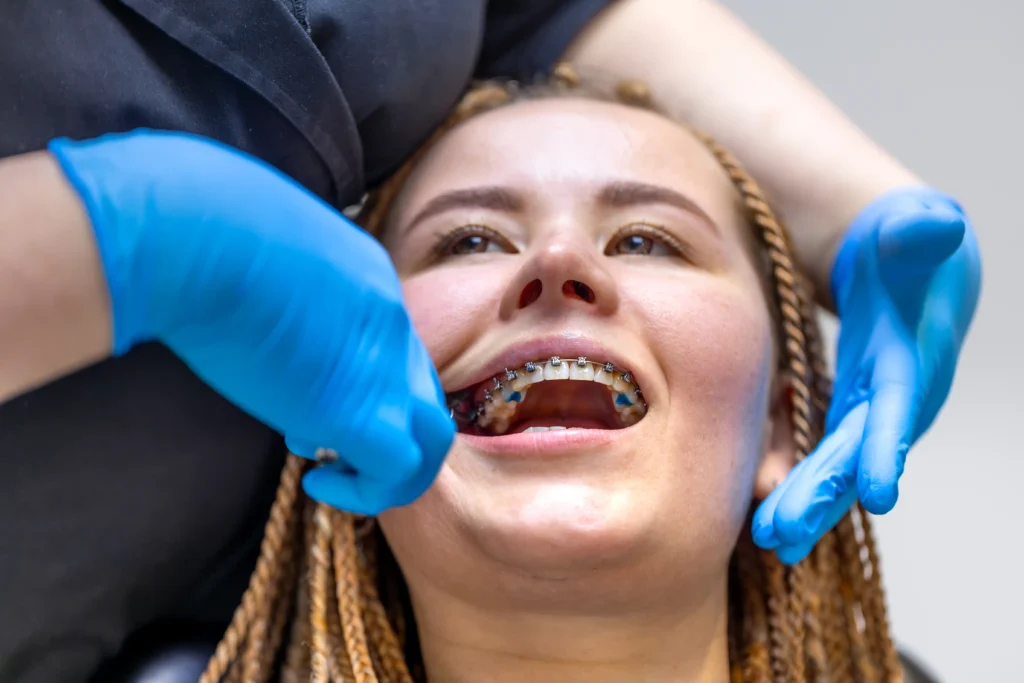
The discomfort from braces is usually temporary and follows a predictable pattern.
Typical Timeline
- First 1–3 days: Mild soreness or pressure
- First week: Gradual improvement
- After adjustments: Short periods of sensitivity
Most people find that any discomfort becomes easier to manage as treatment progresses.
Braces vs Other Orthodontic Options
Different orthodontic treatments can feel slightly different.
| Treatment | Comfort Level | Best For |
|---|---|---|
| Traditional Braces | Moderate (initially) | Complex alignment cases |
| Clear Aligners | Mild | Minor to moderate corrections |
| Ceramic Braces | Similar to metal braces | Aesthetic preference |
Regardless of the option, some level of pressure is expected, it’s a sign that treatment is working.
Tips to Manage Braces Discomfort

There are simple ways to make the adjustment period more comfortable.
Practical Tips
- Eat soft foods (yoghurt, pasta, soups)
- Avoid hard or sticky foods
- Use orthodontic wax for irritation
- Rinse with warm salt water
- Take over-the-counter pain relief if needed
Small adjustments to your routine can make a big difference in comfort.
Who Might Feel More Discomfort?
Everyone’s experience is slightly different.
Factors That Influence Comfort
- Individual pain tolerance
- Complexity of alignment issues
- Frequency of adjustments
- Sensitivity of teeth and gums
Some people barely notice discomfort, while others feel it more during the first few days.
Why the Temporary Discomfort Is Worth It
While the idea of discomfort can be a concern, it’s important to keep the long-term benefits in mind.
Braces can help:
- Improve bite alignment
- Enhance smile appearance
- Support better oral health
- Reduce strain on jaw joints
The short-term adjustment period leads to long-term improvements in both function and confidence.
Maintenance During Braces Treatment
Looking after your teeth properly can also reduce discomfort.
Daily Care
- Brush carefully around brackets
- Floss using orthodontic tools
Regular Check-Ups
- Attend scheduled adjustments
- Address any issues early
Lifestyle Habits
- Avoid biting hard objects
- Be mindful when eating
Pro Tip: Good oral hygiene helps prevent additional irritation during treatment.
Conclusion: Understanding What to Expect with Braces
So, do braces hurt? While there can be some mild discomfort, it’s generally temporary and manageable. Most people adjust quickly, and the process becomes part of their routine as treatment progresses.
If you’re considering braces, you can visit our website at baycentraldental.com.au to explore your options. At Bay Central Dental, we provide personalised braces and orthodontic care designed to keep you comfortable while achieving long-term results, helping you move toward a straighter, healthier smile with confidence.
FAQs (Frequently Asked Questions)
Do braces hurt when they are first put on?
You may feel mild pressure or soreness for a few days, but it usually settles quickly.
Do braces hurt after adjustments?
Some temporary discomfort is common after tightening, but it typically fades within a few days.
How can I reduce braces pain?
Soft foods, orthodontic wax, and saltwater rinses can help ease discomfort.
Are braces more painful for adults or teenagers?
The experience is similar, though sensitivity can vary between individuals.
Is braces pain constant?
No, discomfort usually comes in short phases and becomes less noticeable over time.