
Why Modern Implant Dentistry Is Quietly One of the Safest Procedures in Oral Healthcare
If you’ve ever caught yourself wondering are dental implants safe, you’re not alone and you’re not being paranoid. Dental implants involve surgery, bone integration, and foreign materials placed permanently in the body. That’s a big deal.
Yet here’s the twist: despite sounding invasive, dental implants are now considered one of the most predictable and safest procedures in modern dentistry, when done correctly. This article goes beyond surface-level reassurance and digs into why that’s the case, what risks still exist, and how patients can make genuinely informed decisions without marketing fluff.
What Dental Implants Actually Are
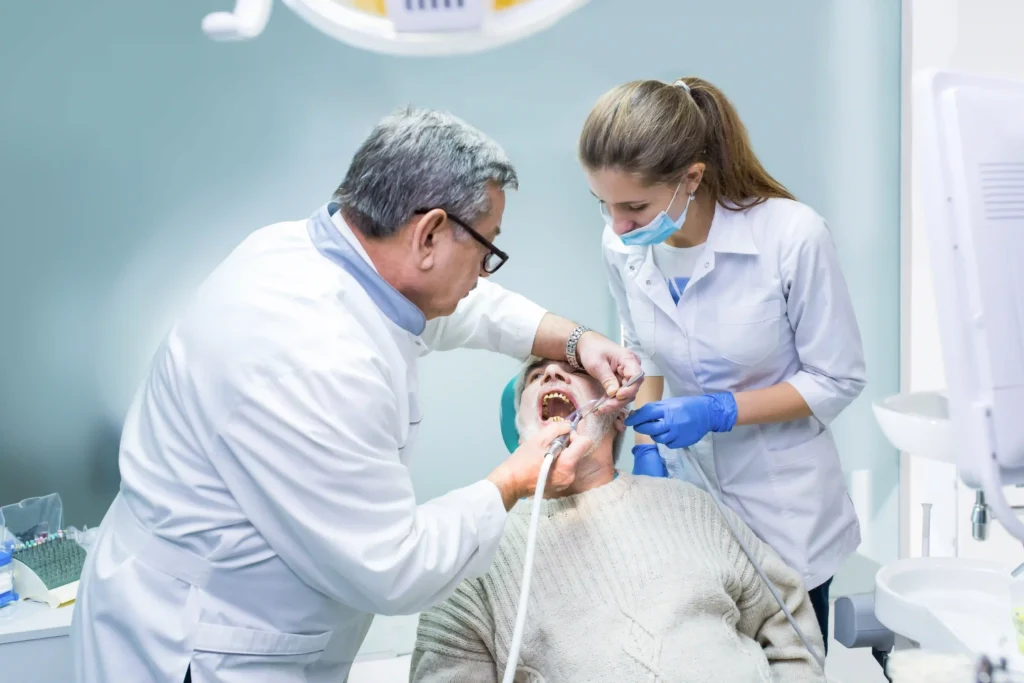
At their core, dental implants are medical-grade titanium or zirconia posts surgically inserted into the jawbone to replace missing tooth roots. Over time, they integrate with bone through a biological process called osseointegration.
Dental implants don’t just “sit” in the bone. The body actively accepts them as structural support, similar to how orthopaedic implants work in hip or knee replacements. This biological cooperation is one major reason experts repeatedly confirm that are dental implants safe is no longer a fringe question. it’s a clinically answered one.
For a clearer understanding of how implants are planned, placed, and healed locally, explore Dental Implant Procedure Australia, which explains each stage from diagnostics and surgery to recovery and long-term care.
The Hidden Science That Makes Dental Implants Exceptionally Safe
Biocompatibility Isn’t a Buzzword, It’s the Dealbreaker
Titanium has been used in medicine for over 60 years. It is:
- Non-toxic
- Non-allergenic (true allergies are extremely rare)
- Resistant to corrosion
- Accepted by human bone tissue
Large-scale studies show implant survival rates of 95–98% over 10 years, which is higher than many restorative dental treatments.
This is why, from a material science standpoint, asking are dental implants safe is often answered with stronger data than people expect.
Are Dental Implants Safe Compared to Other Tooth Replacement Options?
| Treatment Option | Longevity | Bone Preservation | Risk Profile |
|---|---|---|---|
| Dentures | 5–7 years | ❌ Bone loss continues | Low surgical risk |
| Dental Bridges | 10–15 years | ❌ Bone loss under pontic | Tooth damage risk |
| Dental Implants | 20+ years | ✅ Preserves bone | Surgical, but controlled |
What stands out here isn’t just lifespan, it’s bone health. Implants actively prevent jawbone deterioration, which is a silent long-term risk with other solutions.
That comparison alone reframes the question are dental implants safe into something more accurate: safe compared to what?
The Real Risks (Not the Scare-Tactic Ones)
Let’s be precise and honest. Dental implants are safe, but not magically risk-free.
Potential Complications Include:
- Infection during early healing (peri-implantitis)
- Nerve disturbance (rare, usually temporary)
- Implant failure due to poor bone quality
- Poor integration from smoking or uncontrolled diabetes
Here’s the important part: Most implant failures are preventable, not random.
This is where the question are dental implants safe becomes conditional. not on the procedure itself, but on planning quality, clinician expertise, and patient compliance.
Why Treatment Planning Is the Safety Factor Nobody Talks About
Modern implant dentistry relies heavily on:
- 3D CBCT imaging
- Digital bite analysis
- Bone density mapping
- Surgical guides
In Australia, reputable clinics don’t place implants without comprehensive diagnostics. That’s why implant dentistry increasingly overlaps with restorative expertise like Crown & Bridge, ensuring implants work harmoniously with surrounding teeth rather than in isolation.
Case Insight: What Long-Term Implant Patients Show Us
A 2022 Australian cohort study tracking patients over 15 years found:
- Implant survival: 96.4%
- Primary causes of failure: smoking, untreated gum disease
- Patient satisfaction: over 90% reported improved quality of life
That data matters because it answers are dental implants safe not just clinically, but functionally and psychologically.
Who Should Be Cautious (Not Excluded)
Dental implants are not “one-size-fits-all,” but very few people are truly unsuitable.
Extra assessment is needed for:
- Heavy smokers
- Patients with untreated periodontal disease
- Severe bruxism (teeth grinding)
- Advanced osteoporosis
None of these are automatic disqualifiers, but they do change how safe implants are for that individual. Risk management, not blanket avoidance, is the modern standard.
The Role of Maintenance in Implant Safety
Dental implants don’t get decay. but the tissues around them can still become infected.
Long-term safety depends on:
- Professional cleaning schedules
- At-home oral hygiene
- Bite protection if grinding is present
- Monitoring with routine exams
This is why implant patients are often advised to maintain regular Dental Exams and Cleaning, which directly impacts implant survival.
How to Make Dental Implants as Safe as Possible (Action Guide)
Before Treatment
- Get 3D imaging, not just X-rays
- Address gum disease first
- Discuss bite forces and grinding
After Placement
- Avoid smoking during healing
- Follow cleaning protocols strictly
- Attend review appointments
If you are curious if Dental Implants are considered safe or not, Check one of Healthline’s articles on “Are Dental Implants Considered Safe?”.
Why Trusted Australian Clinics Matter More Than the Implant Brand
Implants don’t fail because of brand choice as often as they fail because of:
- Poor surgical positioning
- Inadequate restoration design
- Lack of long-term follow-up
This is where choosing a clinic with broad expertise. not just implant placement. makes the difference.
Conclusion
Dental implants aren’t just safe. they’re one of the most evidence-backed solutions in modern dentistry when planned, placed, and maintained properly.
The real question isn’t simply are dental implants safe in general. It’s whether your implants are being done correctly, thoughtfully, and with long-term care in mind. not treated as a quick cosmetic fix.
If you’re considering implants and still asking are dental implants safe for you, choosing the right clinic makes all the difference. For a patient-first approach built on diagnostics, restorative planning, and long-term oral health, visit Bay Central Dental to see how safe implant treatment is done properly.
Pro tip: Choose clinics that integrate implant care into overall oral health planning, not cosmetic upselling.
Frequently Questions Asked
Do implants feel like real teeth?
Yes. Once healed, most patients forget which tooth is the implant.
Can implants fail years later?
They can, but late failure is uncommon and usually linked to hygiene or systemic health changes.
Is implant surgery painful?
Discomfort is usually milder than tooth extraction and well managed with local anaesthetic.
Can implants trigger immune reactions?
True rejection is extraordinarily rare due to titanium biocompatibility.
Are implants safe for older adults?
Age alone is not a limiting factor. bone health matters more than birth year.