
Braces and orthodontic treatment are designed to straighten teeth, correct bite issues, and support long-term oral health while improving confidence in your smile. Modern orthodontics goes beyond aesthetics, properly aligned teeth can make brushing easier, reduce uneven wear, and help maintain healthy gums throughout life. By improving the way upper and lower teeth meet, treatment can also support better jaw function and reduce strain that may lead to discomfort over time.
Across Miranda, Cronulla, Caringbah, Gymea, Kirrawee, Engadine, and surrounding areas, more families are exploring orthodontic solutions earlier than ever. Advances in digital imaging, clear aligners, and personalised treatment planning mean patients of all ages can find an option that suits their lifestyle. Many local clinics offering Braces and orthodontic treatment now use digital scans instead of traditional impressions, creating a more comfortable experience while allowing dentists to map treatment progress with greater precision.
If you’re new to orthodontic care, it’s helpful to understand how local family clinics approach treatment planning. You can start by exploring the philosophy behind personalised dental care on the Bay Central Dental, where long-term oral health and gentle treatment remain key priorities. Understanding this patient-focused approach helps individuals feel more confident when beginning their orthodontic journey, especially if they are unsure which option best suits their needs.
What Is Braces and Orthodontic Treatment and Why Does It Matter?
Orthodontic treatment focuses on guiding teeth and jaw alignment into healthier positions. While many people associate braces with teenagers, orthodontics can benefit children, adults, and even seniors. Early planning allows dentists to identify developmental patterns, while adult treatment often addresses long-standing alignment concerns that affect both comfort and appearance.
Common Reasons People Seek Orthodontic Care
- Crowded or overlapping teeth
- Gaps between teeth
- Overbite, underbite, or crossbite
- Jaw discomfort or uneven wear
- Difficulty cleaning between teeth
Many patients seek Braces and orthodontic treatment not only for cosmetic reasons but also to improve daily oral function. When teeth are properly aligned, brushing and flossing become more effective, which can reduce plaque buildup and support healthier gums. Over time, improved alignment may also help minimise excessive pressure on certain teeth, lowering the risk of chips or premature wear.
Proper alignment isn’t just about appearance, it can reduce the risk of decay and gum disease by making daily oral hygiene easier.
According to general oral health education from the Australian Dental Association, orthodontic care can play a significant role in maintaining long-term dental stability when combined with regular preventive care.
Pro Tip: Early orthodontic assessments, even before all adult teeth appear, can help identify growth patterns and reduce future treatment complexity.
Orthodontic Options Available in the Sutherland Shire
Modern orthodontics offers more flexibility than ever. Instead of a single solution, dentists tailor treatment based on age, lifestyle, and alignment goals. During consultations, patients often receive digital previews that show potential outcomes, helping them understand how different approaches may improve both function and appearance. Many people exploring Braces and orthodontic treatment appreciate this personalised planning because it allows them to visualise gradual changes before committing to a specific approach.
Traditional Metal Braces
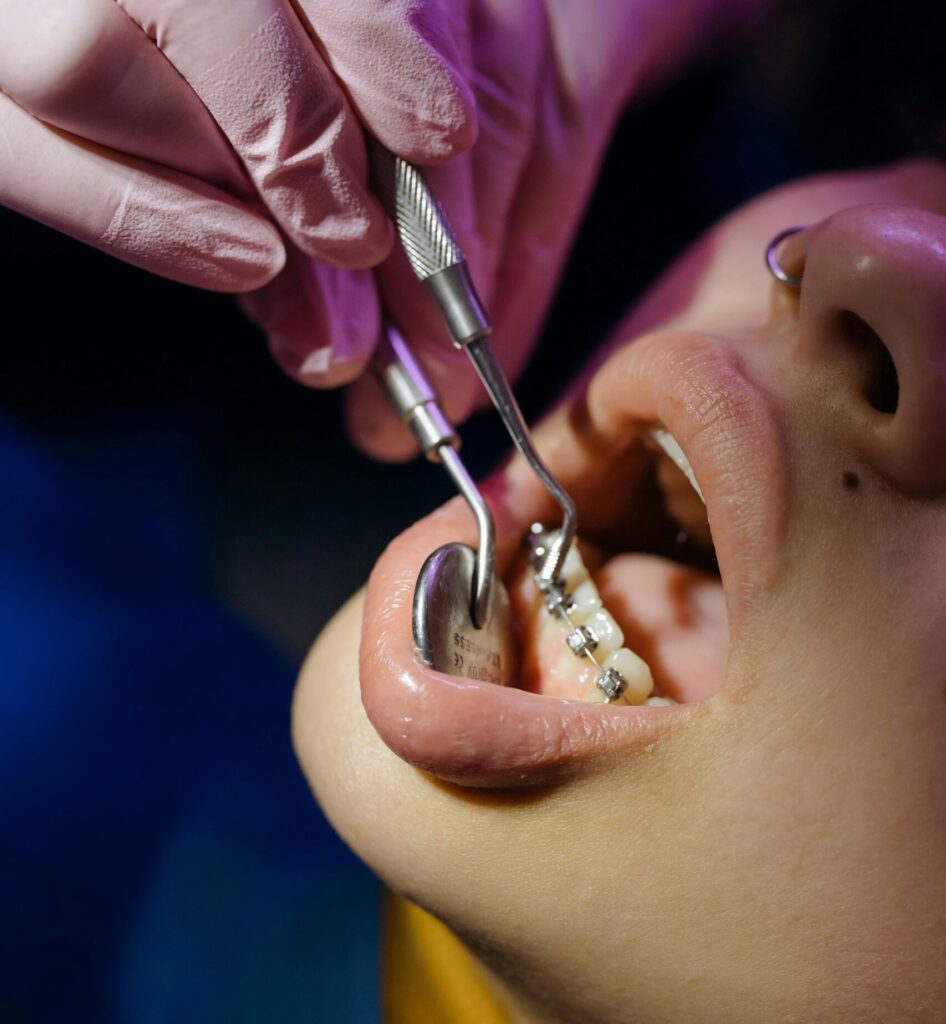
Metal braces remain one of the most effective options for complex cases. They use brackets and wires to guide teeth into ideal positions over time, making them a reliable foundation within modern Braces and orthodontic treatment plans.
Benefits include:
- Highly precise adjustments
- Suitable for significant alignment issues
- Reliable long-term outcomes
Traditional braces are often recommended when detailed tooth movement is required. Although they are more visible than other options, modern designs are smaller and more comfortable than older systems, making them a dependable choice for comprehensive correction. For patients with more advanced bite concerns, dentists may combine traditional braces with additional techniques to achieve balanced jaw alignment and stable long-term results through structured Braces and orthodontic treatment.
Ceramic Braces
Ceramic braces function similarly to metal braces but use tooth-coloured materials, making them less noticeable. This option is popular among teenagers and adults who want the strength of fixed appliances without drawing too much attention during daily interactions.
These braces appeal to patients who want effective results with a more subtle appearance. While they require similar care to metal braces, many people appreciate how they blend more naturally with their smile during treatment. As part of personalised Braces and orthodontic treatment, dentists may recommend ceramic brackets for patients seeking a balance between aesthetics and precise tooth control
Clear Aligners
Clear aligners are removable trays that gradually shift teeth into alignment. Many adults prefer aligners because they are discreet and easy to remove during meals, work meetings, or social events.
Patients considering Braces and orthodontic treatment often choose aligners for their flexibility, especially when balancing professional or social commitments. Because the trays are removable, maintaining oral hygiene is typically easier, though consistent wear remains essential for predictable progress. Dentists usually provide a series of aligners designed to make small, controlled adjustments over time, ensuring that each stage of treatment remains comfortable while steadily improving alignment.
If you’re interested in exploring personalised options in more detail, you can learn about treatment pathways and aligner solutions on the braces and orthodontic treatment services, which explains how different approaches suit different smiles.
Pro Tip: Clear aligners require consistent wear, typically 20–22 hours per day, to achieve the best results.
Benefits of Braces and Orthodontic Treatment
Orthodontics offers more than just straighter teeth. Many patients notice functional improvements that enhance everyday comfort.
Key Benefits
- Straighter teeth and improved confidence
- Balanced bite alignment
- Easier brushing and flossing.
- Reduced risk of tooth wear
- Better long-term oral health
Research suggests that patients who complete orthodontic treatment often experience improved oral hygiene outcomes because aligned teeth are easier to clean. This can reduce plaque build-up and support healthier gums.
Case Insight: Long-Term Smile Health
A typical orthodontic patient who begins treatment during adolescence may finish with improved bite alignment and reduced risk of future restorative procedures. Adults, on the other hand, often pursue orthodontics to prepare for cosmetic or restorative dental work.
Pro Tip: Consistent oral hygiene during orthodontic treatment is essential, using interdental brushes can help clean around brackets or aligners.
Comparing Orthodontic Options
Understanding the differences between treatment types helps patients make confident decisions.
| Treatment Type | Visibility | Suitable For | Maintenance |
|---|---|---|---|
| Metal Braces | Visible | Complex alignment | Regular adjustments |
| Ceramic Braces | Less visible | Moderate cases | Similar to metal braces |
| Clear Aligners | Nearly invisible | Mild–moderate alignment | Removable, requires discipline |
Choosing the right option depends on lifestyle, treatment goals, and clinical assessment.
Pro Tip: Ask about digital smile simulations, seeing a projected result can help you visualise the journey ahead.
What to Expect During Orthodontic Treatment
Starting braces or aligners often feels like a big step, but understanding the process can make it much more comfortable.
Step-by-Step Overview
- Initial consultation and digital scans
- Personalised treatment planning
- Placement of braces or aligners
- Regular progress appointments
- Retention phase to maintain results
Dentists typically monitor progress every few weeks to ensure teeth move safely and efficiently.
Lifestyle Tips During Treatment
- Avoid very hard or sticky foods with braces
- Keep aligners clean with gentle brushing
- Maintain regular dental check-ups
Orthodontic care works best when combined with preventive dentistry and routine hygiene visits, ensuring teeth remain healthy while alignment improves.
Pro Tip: A small orthodontic kit with wax, floss picks, and travel toothbrushes can make daily care much easier.
Conclusion: Finding the Right Braces and Orthodontic Treatment in the Sutherland Shire
Choosing braces and orthodontic treatment is an investment in both appearance and long-term oral health. With modern techniques, personalised planning, and supportive care, orthodontics has become more comfortable and accessible for patients of all ages.
Actionable Steps to Get Started
- Book an orthodontic consultation
- Ask about digital scans and treatment simulations
- Maintain regular dental hygiene visits
- Follow retainer instructions after treatment
- Stay consistent with oral care routines
With a relaxed Australian approach to care and a focus on long-term results, orthodontic treatment in the Sutherland Shire helps patients achieve healthier smiles that look great and function comfortably every day.
FAQs (Frequently Asked Questions)
How long does orthodontic treatment usually take?
Treatment time can vary significantly based on factors such as the severity of misalignment, the type of appliance used, and how consistently patients follow care instructions. While many cases fall within a 12–24 month timeframe, minor adjustments with clear aligners may take less time, whereas complex bite corrections can require longer planning. Regular check-ups and good oral hygiene also help keep treatment progressing as scheduled.
Are braces only for teenagers?
Not at all, orthodontic care is suitable for a wide range of ages. Teenagers often begin treatment during active growth phases, but adults increasingly seek options that fit professional and social lifestyles. Advances in modern orthodontics, including clear aligners and tooth-coloured ceramic brackets, allow adults to improve alignment more discreetly while still achieving effective results.
Do braces hurt?
Most patients describe the sensation as pressure rather than pain. After adjustments or when switching to a new aligner tray, teeth may feel slightly sensitive as they begin to move. This feeling typically fades within a few days as the mouth adapts. Dentists often recommend softer foods during this period and maintaining gentle but consistent brushing to keep gums comfortable.
Can I still play sports with braces?
Yes, staying active is encouraged, and orthodontic appliances should not prevent participation in sports. A custom or orthodontic-friendly mouthguard helps protect both teeth and brackets from impact, reducing the risk of injury. Many athletes continue their regular training routines while undergoing orthodontic treatment, provided they take appropriate protective measures.
What happens after braces come off?
Once active treatment ends, the retention phase becomes essential for maintaining results. Teeth naturally have a tendency to shift back toward their original positions, which is why retainers are typically recommended. Some retainers are removable and worn at night, while others are fixed behind the teeth. Consistent retainer use helps preserve alignment and ensures that the improvements achieved during treatment remain stable over the long term.