
Crown and bridge dentistry is a restorative dental treatment focused on repairing damaged teeth or replacing missing ones using custom-made dental crowns and bridges. In plain terms, it’s how dentists rebuild your smile when teeth are cracked, worn down, or gone altogether, without jumping straight to dentures or implants.
In Australia, crown and bridge dentistry remains one of the most commonly recommended solutions for long-term tooth restoration, especially for patients who want something fixed, reliable, and natural-looking. It’s not flashy dentistry, but it works. And it’s been working for decades.
What Is Crown and Bridge Dentistry?
At its core, crown and bridge dentistry deals with restoring function, shape, and appearance to teeth that can’t do the job on their own anymore.
A dental crown is a cap placed over a damaged or weakened tooth.
A dental bridge fills the gap left by one or more missing teeth, anchored by crowns on neighbouring teeth.
Together, they help:
- Restore chewing ability
- Protect weak teeth from further damage
- Improve speech and facial structure
- Bring back confidence when smiling
In many cases, crown and bridge dentistry is recommended after a routine dental examination, where early signs of cracks, decay, or structural weakness are detected before things get worse.
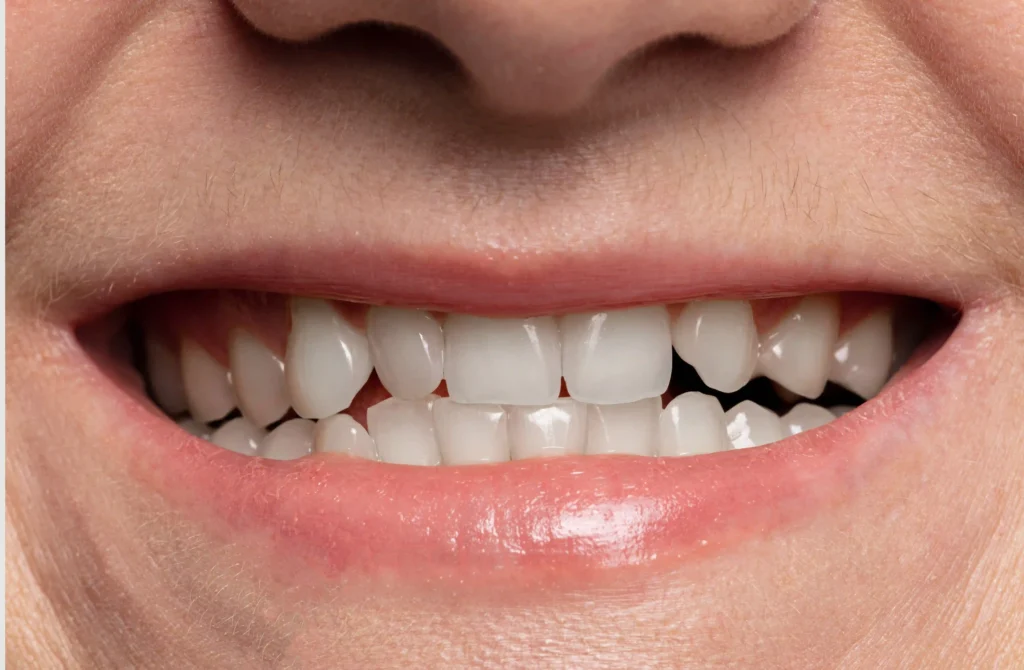
When Crown and Bridge Dentistry Is Usually Recommended
Not every tooth problem needs a crown or a bridge, but some definitely do.
Common situations include:
- Teeth with large fillings that keep breaking
- Cracked or heavily worn teeth
- Teeth after root canal treatment
- One or more missing teeth in a row
- Old crowns or bridges that no longer fit properly
In many real-world cases, patients don’t feel pain straight away. The tooth just feels “off” for a while. That’s usually when crown and bridge dentistry enters the chat.
Dental Crowns Explained
A dental crown fully covers a tooth above the gum line. Think of it like a helmet, but custom-shaped to match your bite.
Types of crowns commonly used in Australia:
| Crown Type | Material | Best For | Lifespan (avg) |
|---|---|---|---|
| Porcelain | Ceramic | Front teeth, aesthetics | 10–15 years |
| Zirconia | Ceramic | Strength + looks | 15+ years |
| PFM | Porcelain + metal | Back teeth | 10–15 years |
| Gold | Gold alloy | Heavy chewing | 20+ years |
Modern crown and bridge dentistry leans heavily toward zirconia because it’s strong, metal-free, and looks natural under Australian lighting (yes, that matters).
Dental Bridges: Filling the Gap Properly
A dental bridge replaces one or more missing teeth by “bridging” the gap using adjacent teeth as support.
Main bridge types:
- Traditional bridges: most common, supported by crowns
- Cantilever bridges: supported on one side only
- Maryland bridges: bonded, more conservative
In crown and bridge dentistry, traditional bridges are still the gold standard when implants aren’t suitable or preferred.
Step-by-Step: How Crown and Bridge Dentistry Actually Works
Here’s what the process usually looks like in a real clinic, not just in theory.
1. Assessment and planning
- Digital X-rays
- Bite analysis
- Discussion about materials and cost
2. Tooth preparation
- Damaged tooth reshaped
- Decay removed
- Tooth reinforced if needed
3. Impressions or digital scans
- Used to design a crown or bridge that fits your bite
4. Temporary crown or bridge
- Protects the area while the lab works
5. Final fitting and adjustment
- Bite checked
- Comfort tested
- Cemented permanently
Most crown and bridge dentistry treatments are completed in 2–3 visits, spread over a couple of weeks.
Benefits of Crown and Bridge Dentistry
There’s a reason this treatment hasn’t gone out of style.
Main benefits:
- Fixed, non-removable solution
- Feels natural when eating and speaking
- Long-lasting with proper care
- Often more affordable than implants
- Backed by decades of clinical success
According to the Australian Dental Association, well-maintained crowns and bridges can last over a decade, sometimes much longer when oral hygiene is consistent. have a success rate above 90% at 10 years when properly maintained. That’s solid by any standard.
Crown and Bridge Dentistry vs Other Options
| Treatment | Fixed? | Longevity | Cost (AU) | Best For |
|---|---|---|---|---|
| Crown & Bridge | Yes | High | $$–$$$ | Missing or damaged teeth |
| Dental Implant | Yes | Very High | $$$$ | Single missing tooth |
| Dentures | No | Medium | $–$$ | Multiple missing teeth |
Crown and bridge dentistry often sits right in the sweet spot between cost, function, and reliability.
Common Problems
Even good dentistry can fail if corners are cut.
Typical issues:
- Poor bite alignment
- Gum irritation
- Crown loosening
- Decay under old crowns
Experienced dentists focus heavily on bite balance and precision, which is why clinic expertise matters more than the material itself.
Pro Tips to Make Crowns and Bridges Last Longer
Here’s the part dentists wish more people listened to.
Pro tips:
- Don’t chew ice (seriously, just don’t)
- Use a floss threader for bridges
- Wear a night guard if you grind
- Get check-ups every 6 months
- Fix small issues early, not later
Most failed crown and bridge dentistry cases fail because of neglect, not poor treatment.
Why Experience Matters in Crown and Bridge Dentistry
Crown and bridge dentistry isn’t just about placing a tooth-shaped object. It’s about:
- Understanding bite dynamics
- Managing gum health
- Choosing the right material
- Planning for long-term stability
Clinics that focus on restorative and preventive dentistry tend to deliver better outcomes, especially over the long run.

Crown and Bridge Dentistry at Bay Central Dental
At Bay Central Dental, crown and bridge dentistry is approached with long-term function in mind, not just appearance. Each case is carefully planned using modern diagnostic tools, high-quality materials, and a patient-first mindset.
Whether you need a single crown or a full dental bridge, the goal is the same:
restore comfort, function, and confidence, without overcomplicating things.
If you’re noticing cracked teeth, old dental work failing, or gaps that affect how you eat or smile, crown and bridge dentistry may be the right step forward.
Frequently Asked Questions
Is crown and bridge dentistry painful?
Usually no. Local anaesthetic is used, and most patients say it’s easier than expected.
How long does a crown or bridge last?
On average 10–15 years, often longer with good oral hygiene.
Can crowns look natural?
Yes. Modern ceramic and zirconia crowns are very hard to tell apart from real teeth.
Is crown and bridge dentistry better than implants?
Not better, just different. It depends on bone health, budget, and personal preference.
Do I need special care after treatment?
Nothing extreme. Regular brushing, flossing, and dental check-ups are enough