
Overview: What Is a Dental Bridge for Missing Teeth?
A dental bridge for missing teeth is a fixed dental restoration designed to replace one or more missing teeth by literally “bridging” the gap between existing natural teeth or dental crowns. Unlike removable options, a bridge is cemented into place, meaning it stays put while you eat, speak, and smile.
In everyday Australian dental practice, this treatment is widely recommended because it restores chewing efficiency, prevents surrounding teeth from drifting, and helps maintain the natural shape of your face. Tooth loss isn’t just cosmetic. it can quietly affect jaw alignment, speech clarity, and long-term oral health.
From a clinical standpoint, a bridge uses adjacent teeth (called abutments) to support an artificial tooth (pontic). Modern materials now allow bridges to look and feel incredibly natural, making them one of the most trusted restorative solutions in dentistry today.
Why Missing Teeth Are More Serious Than Most People Think
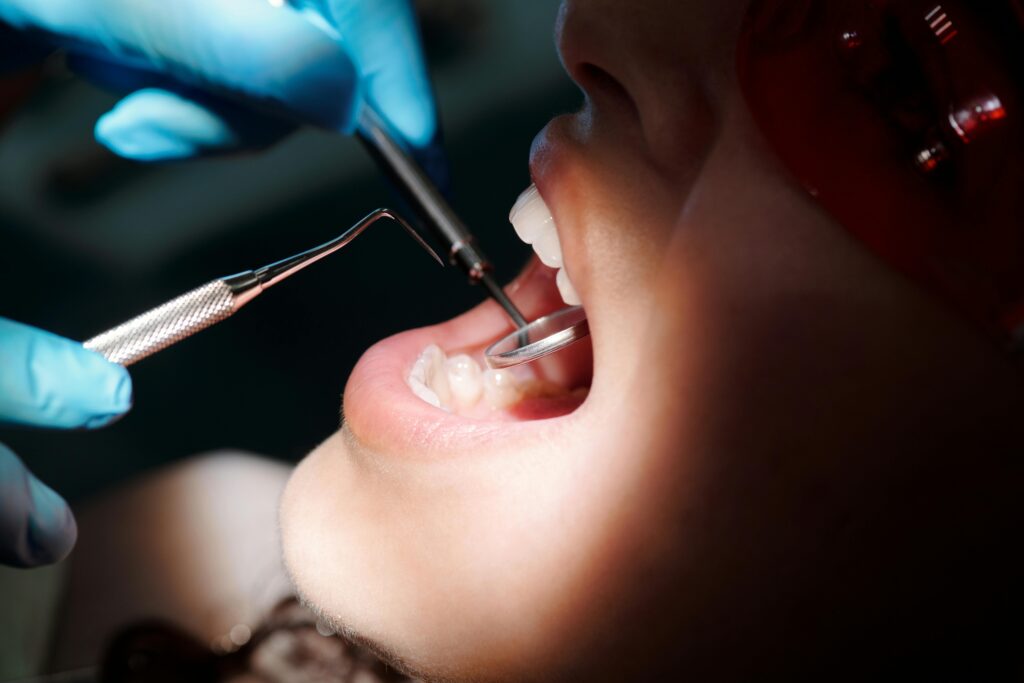
Missing teeth can trigger a chain reaction in your mouth. Many patients assume that if the gap isn’t visible, it isn’t urgent. Unfortunately, biology doesn’t agree.
When a tooth is lost, the surrounding bone begins to resorb due to lack of stimulation. Nearby teeth slowly shift into the empty space, altering bite alignment and increasing stress on remaining teeth.
A dental bridge for missing teeth is often recommended early because it stabilizes the bite and distributes chewing forces evenly something dentures and delayed treatments struggle to achieve.
Common consequences of untreated tooth loss:
- Progressive bone loss in the jaw
- Tilting or drifting of adjacent teeth
- Increased risk of decay and gum disease
- Changes in facial structure over time
- Reduced chewing efficiency
When a missing tooth is caused by untreated decay, addressing the root problem matters just as much as restoring the gap. Our tooth decay treatment page explains how early intervention can stop damage from spreading and protect surrounding teeth before restorative solutions like bridges are needed.
A missing tooth isn’t something your mouth can simply “adapt” to. According to this resource, ignoring a missing tooth carries serious risks, from jawbone deterioration to increased strain on surrounding teeth and faster oral health decline.
Types of Dental Bridges Explained Simply
1. Traditional Dental Bridges
The most common option, using crowns on both sides of the missing tooth. This is frequently chosen when surrounding teeth already need reinforcement.
2. Cantilever Bridges
Used when only one adjacent tooth is available for support. These are less common today due to bite-force considerations.
3. Maryland (Resin-Bonded) Bridges
A conservative option using metal or ceramic wings bonded behind natural teeth. Best for front teeth with minimal bite pressure.
4. Implant-Supported Bridges
Anchored by dental implants instead of natural teeth, offering superior stability and bone preservation.
Each option serves a specific purpose, but your suitability depends on bite strength, bone density, and long-term goals.
How a Dental Bridge Restores Balance to Your Mouth
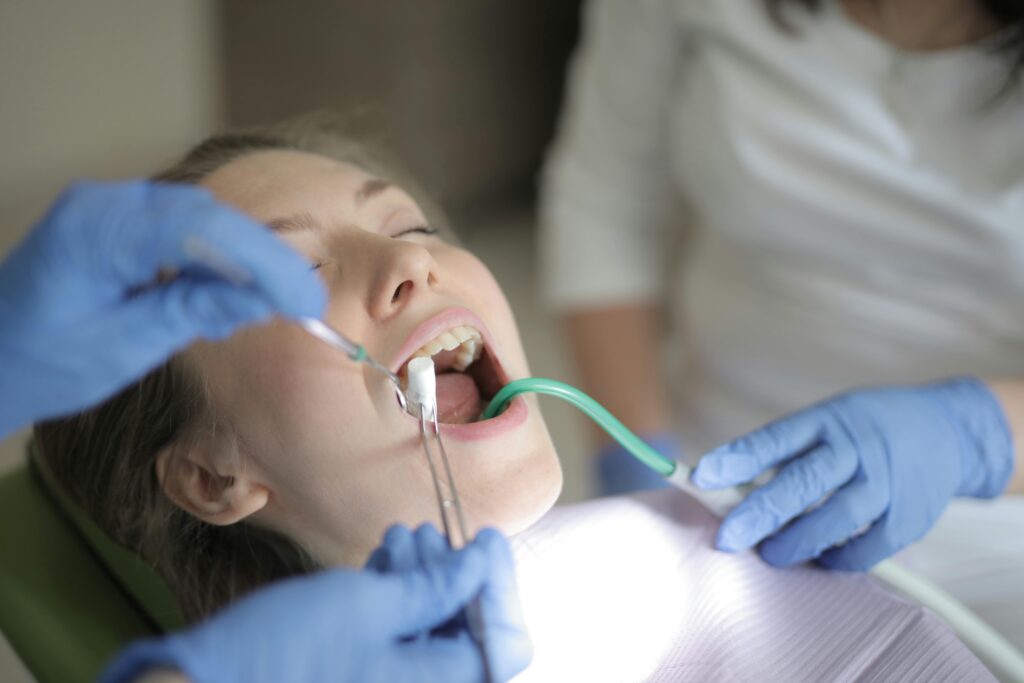
A well-planned dental bridge for missing teeth doesn’t just fill a space. it re-establishes harmony across your entire oral system. Chewing becomes more efficient, speech improves, and facial muscles regain support.
Australian clinical studies show that patients with fixed restorations report higher satisfaction in daily comfort compared to removable alternatives. This is largely due to stability and natural load distribution.
Step-by-Step: The Dental Bridge Procedure
- Initial assessment and digital imaging
- Preparation of supporting teeth
- Precise impressions or 3D scans
- Temporary bridge placement
- Final fitting and bite adjustment
The process typically takes two to three appointments, depending on complexity.
Materials Used in Modern Dental Bridges
| Material | Durability | Aesthetics | Common Use |
|---|---|---|---|
| Porcelain-fused-to-metal | High | Good | Back teeth |
| Zirconia | Very High | Excellent | Full-mouth restorations |
| All-ceramic | Moderate | Excellent | Front teeth |
Material choice affects longevity, appearance, and cost.
Costs in Australia: What to Expect
The price of a dental bridge for missing teeth in Australia varies depending on:
- Number of teeth replaced
- Material used
- Complexity of preparation
- Whether crowns or implants are involved
On average, patients can expect a higher upfront investment compared to fillings, but significantly better long-term stability.
Dental Bridge vs Other Tooth Replacement Options
| Option | Stability | Comfort | Longevity |
|---|---|---|---|
| Dental Bridge | High | High | 10–15 years |
| Dentures | Low | Moderate | 5–8 years |
| Dental Implants | Very High | Very High | 20+ years |
A dental bridge for missing teeth often sits in the sweet spot between cost, durability, and treatment time.
Who Is an Ideal Candidate?
You may be suitable if:
- Adjacent teeth are healthy enough to support crowns
- Gum health is stable
- Bone loss is minimal
- You want a fixed, non-removable solution
A thorough examination is essential before proceeding.
The Psychology of Restoring a Smile
Beyond function, replacing missing teeth carries a profound emotional and psychological impact that many people don’t fully anticipate. Patients often describe a noticeable shift in how they see themselves once their smile is restored, speaking more freely, laughing without hesitation, and feeling less self-conscious in everyday interactions. These changes aren’t superficial; they influence confidence at work, social relationships, and even posture and body language.
Clinicians regularly observe that treatments such as a dental bridge for missing teeth don’t just repair oral structure, they restore a sense of normalcy and control. Speech becomes clearer, facial balance improves, and patients often stop subconsciously covering their mouths or avoiding eye contact. Over time, this renewed comfort can ease social anxiety and rebuild self-assurance that may have quietly faded after tooth loss.
What’s especially striking is how subtle the transformation can appear from the outside, yet how powerful it feels to the individual. Restoring even a single missing tooth with a dental bridge for missing teeth can shift how a person carries themselves. standing taller, smiling more naturally, and engaging more confidently. It’s a quiet change, but one that consistently leaves a lasting emotional imprint.
Conclusion
A dental bridge is more than a replacement. it’s a commitment to long-term oral balance, confidence, and everyday comfort. When planned and placed correctly, a dental bridge for missing teeth helps stabilize your bite, preserve surrounding teeth, and restore the natural rhythm of eating and speaking.
At our clinic, restorative dentistry is guided by precision, evidence-based planning, and patient-first care. Every dental bridge for missing teeth is designed with durability, function, and aesthetics in mind, ensuring your smile isn’t just repaired, but supported for the years ahead.
If you’re ready to restore your smile with confidence, visit Bay Central Dental today and explore how our Crown & Bridge solutions are designed for lasting results.
Pro Tips:
- Replace missing teeth early to prevent bone loss
- Fixed solutions offer better bite stability
- Maintenance matters more than material
Frequently Questions Asked
How long does a dental bridge last?
With good oral hygiene, most bridges last 10–15 years.
Does getting a bridge hurt?
Discomfort is minimal and managed with local anaesthetic.
Can I eat normally with a bridge?
Yes, once adjusted, normal eating resumes comfortably.
Is a bridge better than dentures?
For stability and comfort, fixed bridges are often preferred.
How soon can I return to work?
Most patients return the same day or the next.