
Losing just one tooth might not feel urgent at first. You can still eat, still talk, still smile, though sometimes you notice yourself avoiding that side when chewing. Over time, however, a small gap often leads to quiet problems like shifting teeth and gradual bone loss. This is why a dental implant for one tooth is often recommended as a long-term solution rather than a temporary fix.
A dental implant for one tooth replaces the missing tooth root with a titanium implant, then restores the visible part using a custom crown. The result feels solid, natural, and blends in with your existing teeth.
What Is a Dental Implant for One Tooth?
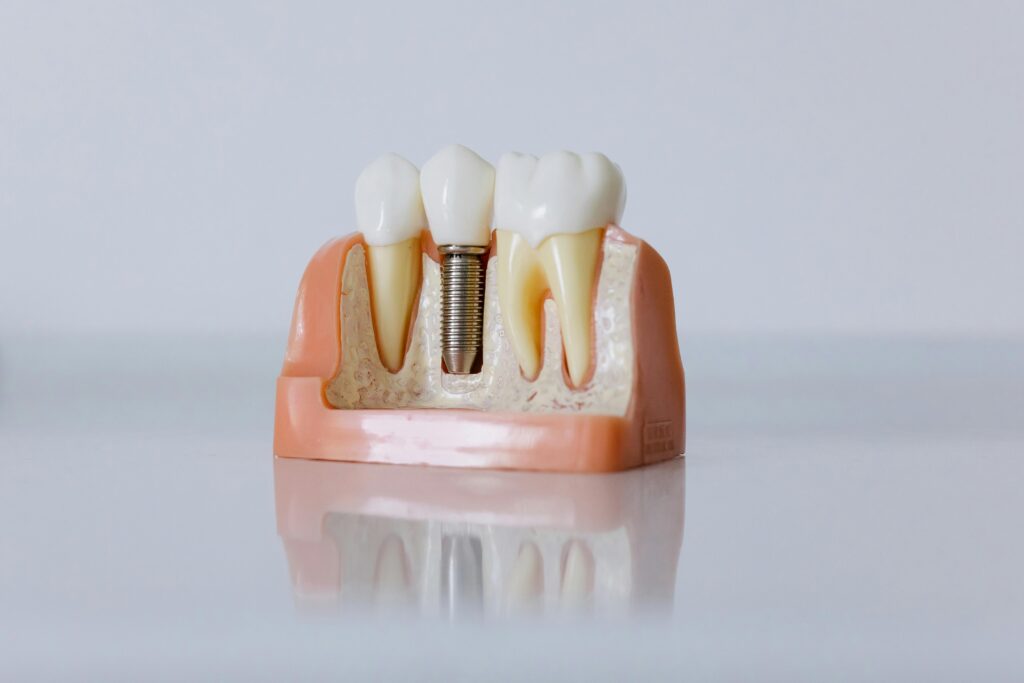
A dental implant for one tooth is designed to mimic the structure of a natural tooth.
Main Parts of a Single Tooth Implant
Implant fixture
A titanium post placed into the jawbone to act as an artificial root.
Abutment
A small connector that attaches the crown to the implant.
Dental crown
The visible tooth replacement, carefully matched to surrounding teeth.
Once the implant is placed, it gradually fuses with the bone through a natural healing process known as osseointegration. This is what gives dental implants their strength and stability over time.
Why Dentists Often Recommend a Dental Implant for One Tooth
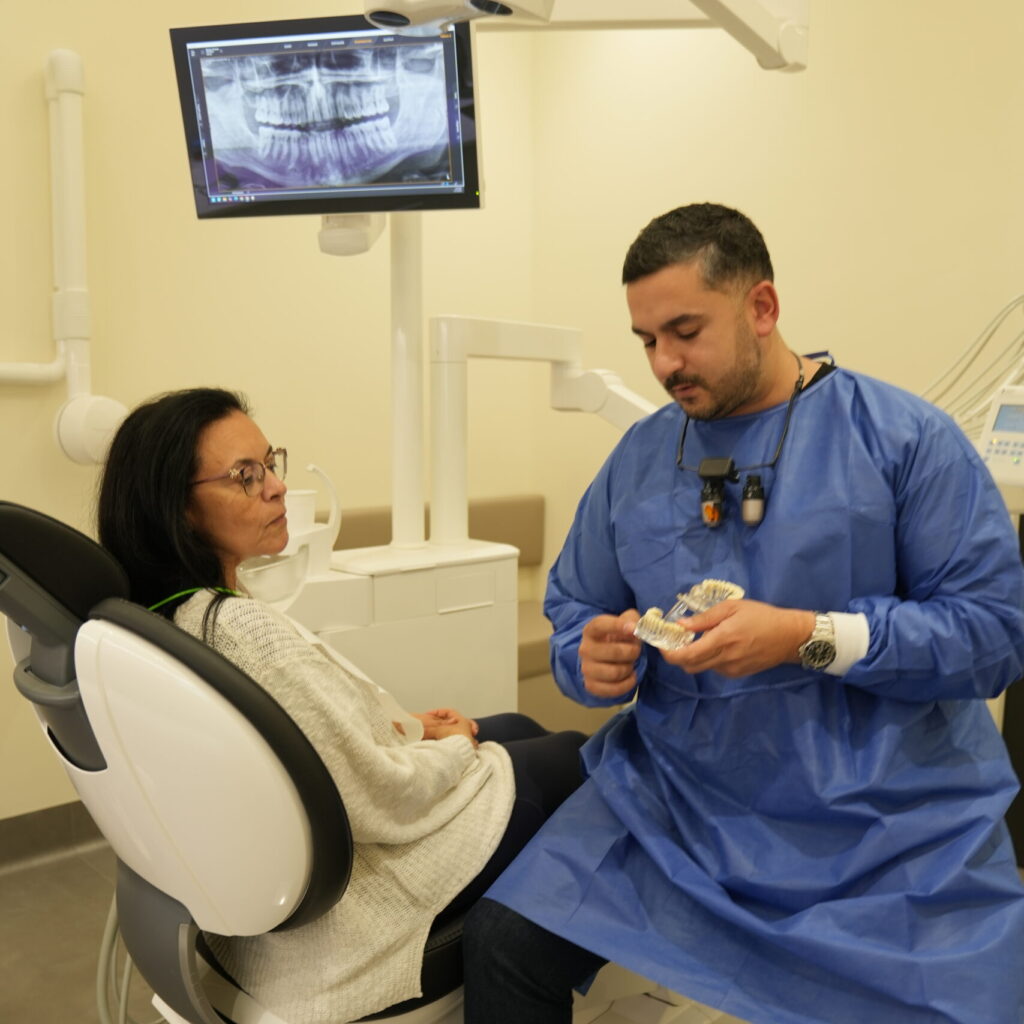
When only one tooth is missing, some patients consider a bridge or a removable option. However, implants are often favoured because they protect long-term oral health.
A dental implant for one tooth does not rely on neighbouring teeth for support and helps prevent bone loss in the jaw. Many dentists also consider implants a conservative option because no healthy tooth structure needs to be altered.
For patients who wonder about the long-term reliability of implants, Bay Central Dental explains this in detail in their guide on are dental implants safe for long-term use
Are Dental Implants Safe for One Tooth Replacement?
Safety is one of the most common concerns patients have before proceeding.
Dental implants are among the most researched procedures in modern dentistry, with clinical studies showing success rates of over 95% in suitable candidates. The materials used, particularly medical-grade titanium, are highly biocompatible and widely accepted by the body.
Independent dental organisations also support the safety of implant treatment. According to clinical guidance on dental implant safety from the Australian Dental Association, implants are a predictable and effective solution when placed by qualified professionals have changed a lot. Bone grafts and guided implant surgery have opened doors for many patients.
However, while dental implants are considered safe and highly predictable, patients should also be aware of the potential complications. For a closer look at possible issues such as infection, nerve damage, or implant failure, read 5 Hidden Dental Implant Risks You MUST Know Before Surgery before making a final decision.
Step-by-Step: Dental Implant for One Tooth Procedure
This is the part many patients feel nervous about, but honestly, it’s more straightforward than most expect.
1. Initial Consultation and Planning
- 3D scans and digital X-rays
- Jawbone assessment
- Personalised treatment plan
2. Implant Placement Surgery
- Local anaesthetic (or sleep dentistry for anxious patients)
- Implant placed into the bone
- Procedure usually takes under an hour
3. Healing Phase
- 8–12 weeks for osseointegration
- Temporary tooth may be provided
4. Crown Placement
- Custom crown fitted
- Bite and colour adjusted
- Final polish and done
Most patients say the discomfort is less than a tooth extraction, which surprises them.
How Long Does a Dental Implant for One Tooth Last?
With proper care, a dental implant for one tooth can last 20 years or more, and often a lifetime.
Factors That Affect Longevity
- Oral hygiene habits
- Regular dental check-ups
- Grinding or clenching (bruxism)
- Smoking
- Overall health
Studies consistently show success rates of over 95% for single tooth implants in healthy patients, making them one of the most predictable treatments in dentistry today.
Cost of Dental Implant for One Tooth in Australia
Cost is a common concern, and it’s fair to ask.
Average Cost Range (Australia)
| Item | Estimated Cost (AUD) |
|---|---|
| Implant surgery | $2,500 – $3,500 |
| Crown | $1,800 – $2,500 |
| Total | $4,500 – $6,000 |
Prices vary based on:
- Bone grafting needs
- Implant brand
- Dentist experience
- Technology used (3D guided surgery, digital scans)
At Bay Central Dental, payment plans and health fund options are available, which helps many patients move forward without stress.
Benefits of Choosing a Dental Implant for One Tooth
This is where implants really shine.
Key Benefits
- Looks and feels like a natural tooth
- Prevents jawbone shrinkage
- No damage to nearby teeth
- Stable chewing and speaking
- Improves long-term oral health
- Boosts confidence (quietly, but noticeably)
Patients often say they forget which tooth is the implant. That’s usually the goal.
Pro Tips Before Getting a Dental Implant for One Tooth
- Don’t rush the decision, but don’t delay too long either
- Choose a clinic experienced in implant dentistry, not just general dentistry
- Ask about digital planning and guided surgery
- Keep your gums healthy before treatment
- If you grind your teeth, mention it early
Small details like these make a big difference long-term.
Conclusion: Why Choose Bay Central Dental for a Dental Implant for One Tooth
A dental implant for one tooth isn’t just about filling a gap. It’s about restoring balance, comfort, and confidence in a way that lasts. When done properly, it becomes part of you, not something you have to think about every day.
At Bay Central Dental, we combine advanced implant technology, careful planning, and a patient-first approach to deliver results that feel natural and last for years. From your first consultation to the final crown, everything is tailored to your smile, your comfort, and your long-term oral health.
Frequently Asked Questions
Is a dental implant for one tooth painful?
Most patients report mild discomfort, similar to post-extraction soreness. Pain is usually manageable with basic pain relief.
How long does the whole process take?
From consultation to final crown, around 3–6 months, depending on healing and whether bone grafting is required.
Can I eat normally with a single tooth implant?
Yes. Once healed, you can eat just like you would with natural teeth, without worrying about movement.
What if I don’t replace a missing tooth?
Leaving a gap can cause teeth to shift, bone loss, bite problems, and even jaw discomfort over time.
Are dental implants safe?
Yes. Dental implants are one of the most researched treatments in dentistry, with decades of clinical data supporting their safety and effectiveness.