
What an Emergency Dental Clinic Really Is (And What It Isn’t)
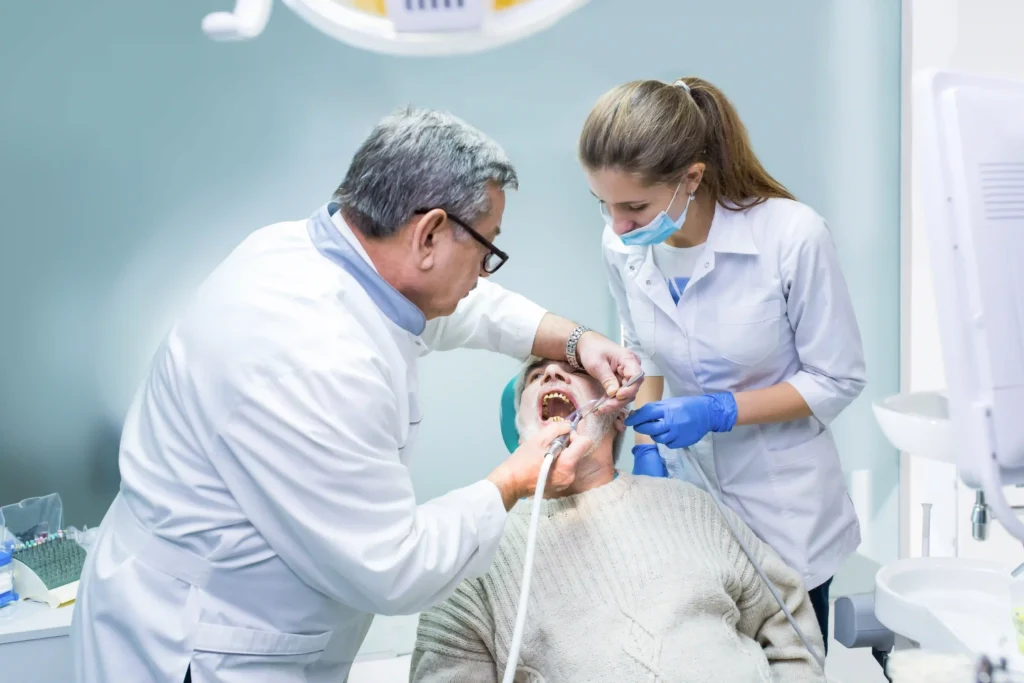
An emergency dental clinic exists for one reason: to intervene when time is no longer on your side. This isn’t about routine discomfort or cosmetic tweaks. It’s about situations where infection, trauma, or sudden pain can escalate into permanent damage if ignored even for a few hours.
In Australia, dental emergencies account for a significant portion of unscheduled dental visits. According to state health data, severe tooth pain and facial swelling are among the top oral health reasons Australians seek urgent care outside regular clinic hours. That trend has risen steadily over the last decade, particularly in metro and regional areas with limited after-hours access.
Unlike standard appointments, emergency care prioritises risk management over long-term aesthetics. The goal is stabilisation first, restoration later.
The Psychology of Dental Emergencies: Why People Wait Too Long
One uncomfortable truth: many patients delay urgent dental care because they underestimate risk. A cracked tooth doesn’t always hurt immediately. A low-grade infection can feel manageable, until it isn’t.
By the time most people search for an emergency dental clinic, they’re no longer asking, “Should I go?”
They’re asking, “How bad is this going to get?”
Dentists see patterns repeat themselves:
- Pain ignored for days suddenly spikes overnight
- Swelling spreads beyond the jawline
- Minor trauma becomes nerve exposure
- Infection enters the bloodstream
At that point, treatment becomes more complex, more invasive, and more expensive.
When Time Is the Enemy: Conditions That Escalate Fast
Certain dental issues have a narrow window where intervention is simple. Miss it, and outcomes change dramatically.
An untreated abscess, for example, isn’t just a tooth problem. it’s a bacterial infection capable of spreading to the sinuses, jawbone, or even the heart in rare cases. Trauma involving teeth can compromise blood supply within hours, reducing the chance of saving the tooth entirely.
This is where an emergency dental clinic becomes a preventative medical service, not just a pain solution.
Inside an Emergency Appointment: What Actually Happens
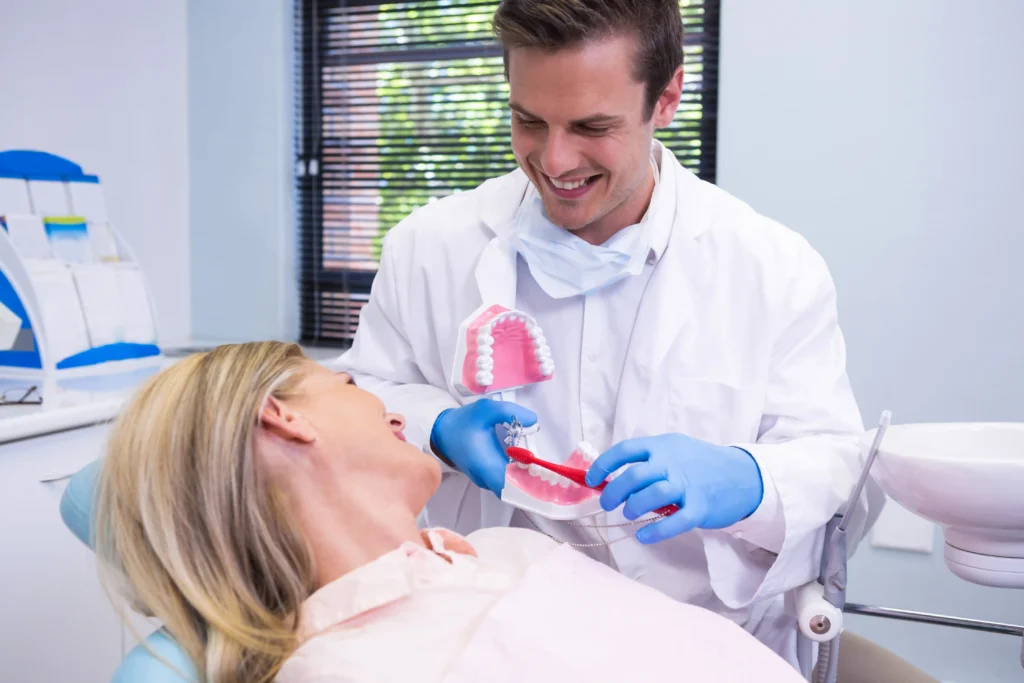
People often imagine emergency dentistry as chaotic or rushed. In reality, it’s highly structured.
Initial triage focuses on:
- Pain source identification
- Infection control
- Structural stability
- Risk of systemic spread
Only after stabilisation does a dentist decide whether immediate definitive treatment is possible or if temporary measures are safer.
This staged approach is why emergency dentistry differs from routine care. The priority is stopping deterioration, not perfecting aesthetics. If a dental emergency results in a cracked or fractured tooth, treatment options outlined in restoring broken teeth explain how structure, function, and appearance can be rebuilt after initial stabilisation.
After-Hours Dentistry in Australia: How Clinics Really Operate
Australia’s dental system doesn’t offer universal emergency dental coverage, which means private clinics fill the gap. Many practices rotate after-hours availability or allocate specific appointments for urgent cases.
A reputable emergency dental clinic will:
- Maintain on-call capacity
- Use digital imaging for rapid diagnosis
- Stock temporary restorative materials
- Have protocols for infection and trauma
These aren’t walk-in free-for-alls. They’re carefully controlled clinical environments designed for speed and safety. If you’re looking for the best dental clinic in Australia, you could visit Top 30 Best Dental Clinic In Australia for an overview of practices recognised for their clinical standards, patient care, and range of services.
Temporary Fixes vs Definitive Treatment: The Trade-Off No One Talks About
Emergency treatment doesn’t always mean “final treatment.” In fact, it often shouldn’t.
Stabilising a tooth during an emergency may involve temporary fillings, partial clean-outs, or short-term medications. Rushing permanent solutions in unstable conditions can increase failure rates.
This is why ethical clinics clearly explain:
- What’s being done now
- What must be done later
- What happens if follow-up is delayed
Transparency here is a strong indicator of clinical quality.
The Role of Emergency Dentistry in Long-Term Oral Health
Emergency visits often reveal underlying issues patients didn’t realise they had. advanced decay, bite imbalance, or old restorations failing silently.
In many cases, an emergency dental clinic becomes the starting point of comprehensive care rather than a one-off event. Patients who follow through after emergencies statistically experience fewer repeat urgent visits and lower long-term treatment costs.
Which Emergency Service Matters Most When Pain Hits?
Not all emergency treatments are equal. Some address symptoms; others solve root causes.
Among all urgent procedures, Emergency Dentistry stands out as the service designed specifically for unpredictable, high-risk scenarios. It typically covers trauma, infection control, severe pain management, and immediate stabilisation. making it the most relevant option when time is critical.
Data Snapshot: Emergency Dental Visits in Australia
| Factor | Observed Trend |
|---|---|
| Most common cause | Severe toothache |
| Peak visit time | Evenings & weekends |
| Leading complication | Dental abscess |
| Preventable cases | Over 60% |
| Repeat emergency visits | Linked to missed follow-up |
Source: Aggregated Australian dental service utilisation studies
Real-World Scenario: When Delay Changes Everything
A patient presents with mild swelling and a dull, nagging ache, assuming it’s manageable and hoping it will settle on its own. There’s no dramatic pain yet, so the urgency doesn’t feel real. Two days later, facial swelling has doubled, chewing becomes difficult, and a fever sets in. What could have been resolved with early intervention at an emergency dental clinic now requires antibiotics, surgical drainage, and a staged restoration plan spread over multiple visits.
Dentists see this pattern repeatedly. Patients often underestimate early warning signs, especially when pain fluctuates. But dental infections don’t follow a straight line. they escalate quietly, then rapidly. By the time patients finally arrive at an emergency dental clinic, the focus has shifted from simple stabilisation to preventing wider health complications.
This scenario plays out weekly in Australian clinics, across both metropolitan and regional areas. The lesson is simple: emergency care isn’t about panic. it’s about timing. Acting early preserves options. Waiting narrows them.
Final Thoughts: What to Do Before You Ever Need Urgent Care
Preparation matters more than people think, especially when dental problems rarely give you advance notice. Pain, swelling, or trauma often strike outside office hours, when stress is already high and options feel limited. Knowing where to go before something goes wrong removes hesitation when minutes actually matter.
Being familiar with a trusted emergency dental clinic means you’re not scrambling to make decisions while in pain. It also means you’re more likely to seek help early, when treatment is simpler, less invasive, and more predictable.
To make those decisions easier when it matters most, you can learn more about our approach to urgent and long-term dental care by visiting Bay Central Dental. Having a clear point of reference ahead of time helps remove uncertainty when every minute counts.
Pro tips:
- Know which clinics near you handle urgent cases and after-hours care
- Don’t self-diagnose pain intensity. dental issues escalate unpredictably
- Act early, before swelling, fever, or facial involvement appears
- Always attend follow-up appointments to prevent repeat emergencies
Dental emergencies don’t announce themselves politely. They escalate quietly, then suddenly.
Choosing the right clinic and acting at the right moment can be the difference between saving a tooth and losing it entirely. When timing is critical, having access to an experienced emergency dental clinic isn’t just convenient, it’s protective.
Frequently Asked Questions
How do I know if dental pain is an emergency or not?
If pain disrupts sleep, spreads, or worsens rapidly, it’s no longer routine.
Can I wait until morning if the pain started at night?
Waiting increases risk if swelling, bleeding, or trauma is involved.
Is facial swelling always serious?
Swelling indicates infection or trauma and should never be ignored.
Will emergency dental visits always lead to major treatment?
No. Early intervention often prevents complex procedures.
Can emergency care save a tooth that’s been knocked out?
Yes. if treated within the right timeframe.