
What They Are and Why They Matter More Than You Think
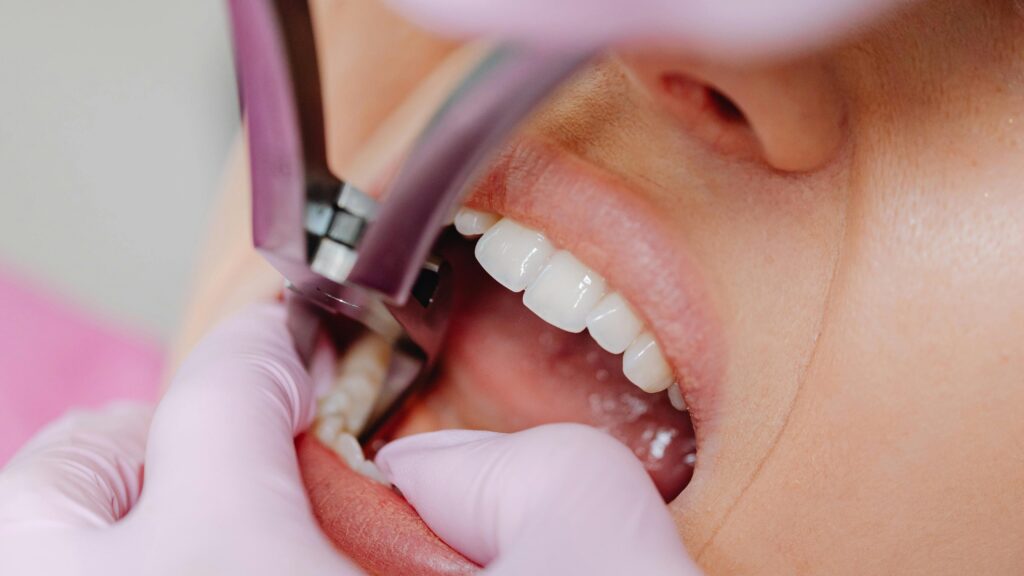
Fixed dental prosthetics are permanent or semi-permanent dental restorations designed to replace missing or severely damaged teeth and stay securely in place. Unlike removable options, these restorations are bonded, cemented, or anchored into the jaw, meaning they don’t shift, click, or come out at night.
In practical terms, fixed dental prosthetics include crowns, bridges, and implant-supported restorations that restore chewing efficiency, speech clarity, facial structure and just as importantly, confidence.
In Australia, the demand for fixed dental prosthetics has increased steadily over the past decade as patients move away from temporary fixes and toward long-term oral health solutions. According to AIHW data, adults over 35 are significantly more likely to choose fixed restorations due to durability, comfort, and aesthetics.
This article goes beyond surface-level explanations. We’ll unpack how fixed dental prosthetics function biologically, when they outperform alternatives, and what most patients are never told during quick consults.
The Hidden Biology Behind Long-Term Tooth Replacement
To understand why fixed dental prosthetics work so well, you need to understand what happens after tooth loss.
When a tooth is missing:
- The jawbone begins resorbing within 3–6 months
- Adjacent teeth drift into the gap
- Bite forces become uneven
- Facial support gradually collapses
Fixed dental prosthetics counteract these changes by restoring functional load to the bite.
How They Integrate With Your Mouth
- Crowns distribute pressure evenly across remaining tooth structure
- Bridges stabilise neighbouring teeth
- Implant-supported prosthetics stimulate jawbone through osseointegration
This biological integration is the reason fixed dental prosthetics often last 10–25 years when properly maintained.
Permanent vs Removable: Why the Choice Changes Outcomes
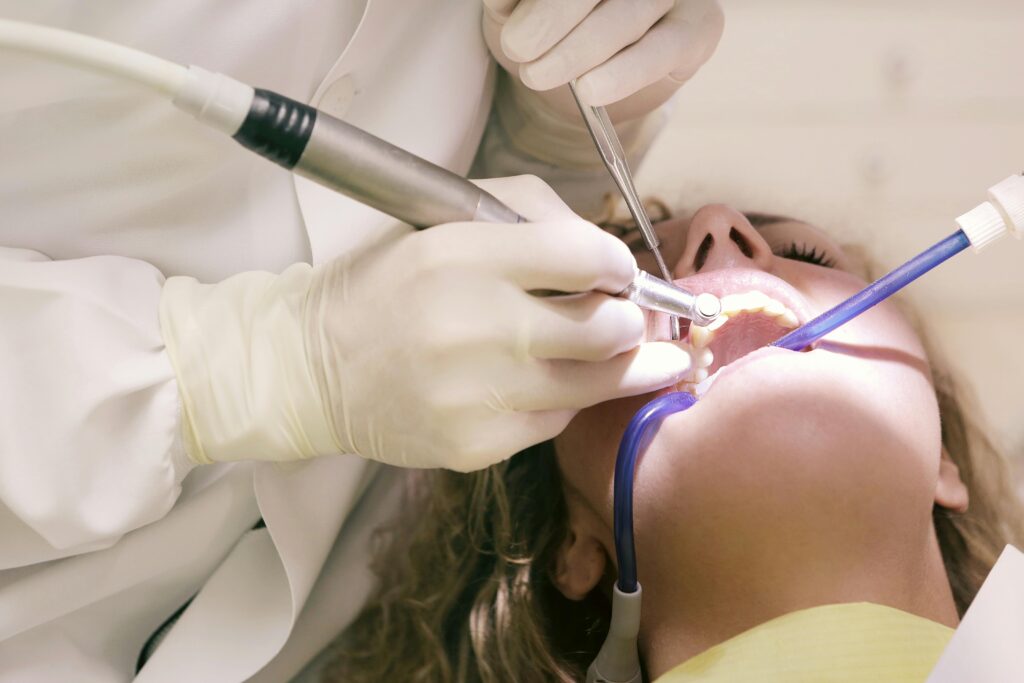
Many patients start with removable options thinking they’ll “upgrade later.” Clinically, that delay often creates complications.
Comparison Table: Fixed vs Removable Prosthetics
| Feature | Fixed Dental Prosthetics | Removable Dentures |
|---|---|---|
| Stability | Cemented or anchored | Can shift or loosen |
| Bone preservation | Yes (especially implants) | No |
| Chewing efficiency | 85–95% of natural teeth | 30–50% |
| Speech impact | Minimal | Common lisping |
| Daily removal | No | Yes |
| Long-term cost | Lower over time | Higher due to replacements |
Fixed dental prosthetics aren’t just about convenience, they’re about preventing secondary oral disease.
Who Is Actually a Good Candidate?
You don’t need a “perfect mouth” to qualify, but some conditions matter.
Suitable Candidates Typically:
- Have one or more missing teeth
- Have heavily restored or cracked teeth
- Want a non-removable solution
- Can maintain oral hygiene
Caution Zones:
- Advanced untreated gum disease
- Severe bruxism without protection
- Poor bone density (can often be managed with planning)
An experienced Australian clinic will assess occlusion, bone levels, and bite dynamics before recommending fixed dental prosthetics, not just aesthetics.
The Overlooked Psychological Impact of Stable Restorations
This rarely gets discussed.
Patients with fixed dental prosthetics report:
- Higher social confidence
- Less anxiety when eating in public
- Improved speech self-awareness
- Better adherence to oral hygiene
A 2023 Australian dental outcomes review found that patients with fixed restorations were 42% more likely to attend routine check-ups compared to removable denture users.
That behavioural shift alone significantly improves long-term oral health.
How Modern Dentistry Integrates Long-Term Restorations
Fixed dental prosthetics don’t exist in isolation, they’re part of a broader restorative ecosystem.
They often work in combination with:
- Occlusal analysis
- Digital smile design
- Periodontal stabilisation
- Preventive maintenance
This is why clinics with strong restorative and prosthodontic expertise consistently achieve better outcomes.
If you’re exploring long-term restorative options, it’s worth starting with a comprehensive assessment through Dental Exams and Cleaning, which ensures the foundation is healthy before any fixed dental prosthetics are placed.
A Real-World Case: One Decision, Two Very Different Futures
Case Snapshot (Sydney, NSW):
Two patients, same age (47), same missing molar.
- Patient A chose a removable partial denture
- Patient B chose fixed dental prosthetics
5 years later:
- Patient A required gum treatment, relining, and replacement
- Patient B had stable bone levels and zero functional issues
Total spend over time was 18% higher for the removable option. Short-term savings often become long-term costs.
Maintenance Isn’t Optional, It’s Strategic
Fixed dental prosthetics are durable, not invincible.
Daily Care Essentials:
- Soft-bristle brushing twice daily
- Interdental cleaning (especially under bridges)
- Non-abrasive toothpaste
Professional Care:
- 6-monthly examinations
- Occlusal checks
- Professional cleaning around margins
This is where ongoing care through Dental Exams and Cleaning directly protects your investment in fixed dental prosthetics.
Why Long-Term Dental Decisions Should Never Be Made in Isolation
One of the biggest mistakes patients make with complex treatments is viewing them as one-off procedures. Fixed dental prosthetics don’t exist in a vacuum. their success depends on diagnosis, bite analysis, gum health, and ongoing care working together as a system.
That’s why outcomes vary so widely between clinics, even when the materials look identical on paper.
A practice that takes a whole-mouth approach doesn’t just focus on replacing a tooth, it focuses on how that replacement will function five, ten, or even twenty years down the line. Preventive reviews, education, and tailored maintenance plans are what protect your restoration long after placement.
If you’re looking for care that prioritises long-term stability over quick cosmetic wins, you can learn more about our philosophy, clinical approach, and patient-first planning by visiting Bay Central Dental.
For patients exploring conservative treatment options that preserve natural tooth structure, learn how white dental fillings restore function and blend seamlessly with surrounding teeth for a discreet, durable result.
Conclusion
Fixed dental prosthetics aren’t about chasing perfection. they’re about choosing stability, function, and long-term oral health.
When planned properly, they:
- Protect surrounding teeth
- Preserve jawbone
- Improve daily comfort
- Reduce future dental interventions
If you’re ready to explore whether fixed dental prosthetics are right for you, start with a professional assessment and a clinic that prioritises long-term outcomes over quick fixes.
Pro Tips:
- Don’t delay replacement. early action preserves bone
- Always stabilise gums before proceeding
- Commit to maintenance as part of the treatment, not after
Your smile isn’t temporary. Your dental solution shouldn’t be either.
Frequently Asked Questions
Are fixed dental prosthetics better than dentures?
In most functional and biological aspects, yes. Fixed dental prosthetics provide superior stability, chewing efficiency, and bone preservation.
How long do fixed dental prosthetics last?
With proper care, many last 10–25 years. Longevity depends on hygiene, bite forces, and regular professional reviews.
Do fixed dental prosthetics feel natural?
Most patients report they feel similar to natural teeth within weeks, especially compared to removable alternatives.
Is the procedure painful?
Modern techniques and anaesthesia make the process comfortable. Mild post-treatment sensitivity is common but temporary.
Are fixed dental prosthetics worth the cost?
When measured over long-term health, comfort, and maintenance, fixed dental prosthetics are often more cost-effective than repeated replacements.