
What are full arch dental implant solutions?
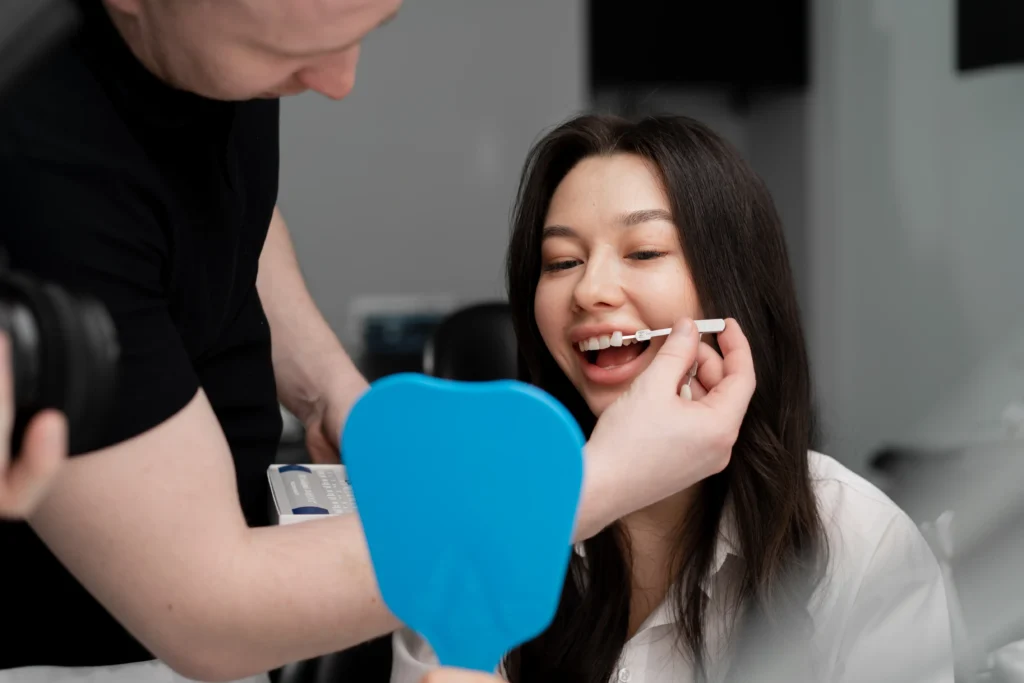
At their core, full arch dental implant solutions replace an entire upper or lower set of teeth using a strategically placed implant framework that supports a fixed, natural-looking arch. Unlike removable options, this approach is designed to restore chewing power, facial balance, and day-to-day confidence with stability you can rely on.
In modern Australian dentistry, the goal isn’t just to “add teeth.” It’s to rebuild function, aesthetics, and long-term oral health as one system. When done properly, this treatment integrates surgical planning, prosthetic design, and bite science. so the final result feels like your own teeth, not a compromise.
Why this treatment has evolved beyond “all-on” buzzwords
The conversation around full arch dental implant solutions has matured. Early techniques focused on speed; today’s best outcomes focus on precision and longevity. Digital planning, guided surgery, and material science now allow clinicians to tailor solutions to bone density, bite forces, and facial structure.
That shift matters. Long-term data shows implant survival rates exceeding 95% over 10 years when planning and maintenance are done correctly. The difference between success and frustration often comes down to assessment, not shortcuts.
The biology behind stability and comfort
Bone responds to load. When teeth are missing, bone resorbs. Full arch dental implant solutions are designed to reintroduce functional load in a controlled way, helping preserve bone volume and facial support.
For patients researching advanced full-arch options and local expertise, this guide on all on x dental implants in sutherland shire explains how modern implant frameworks are designed for stability, long-term function, and predictable outcomes.
Key biological principles include:
- Strategic implant angulation to maximise bone contact
- Even force distribution across the arch
- Prosthetic contours that protect soft tissue health
This isn’t cosmetic dentistry, it’s applied biomechanics.
Fixed vs removable: the decision most patients misunderstand
Many patients assume “implant-supported” always means fixed. In reality, full arch dental implant solutions can be fixed or removable, each with distinct implications for hygiene, comfort, and cost.
Clinically, fixed arches are preferred when bone quality and patient health allow, because they:
- Provide higher bite force efficiency
- Reduce movement-related sore spots
- Feel more natural during speech and eating
Removable options can still be valid in specific cases, but they require a different maintenance mindset.
The planning phase that determines everything
The most overlooked factor in full arch dental implant solutions is pre-surgical planning. Cone beam CT scans, digital smile simulations, and occlusal analysis are no longer optional, they’re essential.
A typical planning workflow includes:
- 3D imaging to assess bone volume and nerve position
- Digital bite analysis to predict force distribution
- Prosthetic-first design (teeth planned before surgery)
Skipping these steps increases the risk of complications, prosthetic fracture, or long-term discomfort.
Materials matter more than marketing
Zirconia, titanium-reinforced acrylic, hybrid ceramics materials used in full arch dental implant solutions directly affect wear resistance, hygiene, and repairability.
Clinical evidence shows:
- Monolithic zirconia offers excellent strength for high bite forces
- Hybrid materials provide shock absorption and easier repairs
- Surface finish impacts plaque retention and gum health
There’s no universal “best” material. only what’s best for your bite and habits.
Case insight: long-term outcomes in real patients
In Australian cohort studies following full-arch implant patients for 8–12 years, the strongest predictors of success weren’t age or gender. They were:
- Accurate implant placement
- Proper bite design
- Consistent professional maintenance
Patients receiving carefully planned full arch dental implant solutions reported significant improvements in chewing efficiency, dietary variety, and social confidence within six months. benefits that remained stable over time.
Maintenance is not optional, it’s part of the treatment
One reason full arch dental implant solutions fail is unrealistic expectations about upkeep. These restorations don’t decay, but the surrounding tissue can become inflamed without care.
Best-practice maintenance includes:
- Professional cleaning at scheduled intervals
- Home care tools designed for fixed arches
- Regular bite checks to detect wear early
Think of maintenance as insurance on your investment.
Cost vs value: what patients should actually compare

Comparing prices without understanding scope is risky. Full arch dental implant solutions vary widely based on diagnostics, materials, and follow-up care.
When evaluating value, look for:
- Transparent treatment phases
- Inclusion of long-term reviews
- Clear prosthetic repair policies
The cheapest option upfront often costs more over time.
Where complementary care fits into the picture
Even with advanced implant work, supporting services matter. Many patients benefit from a baseline evaluation and ongoing care similar to what’s provided through Dentures services. particularly when transitioning from removable to fixed solutions. Understanding how prosthetics, bite alignment, and oral health interact creates better long-term outcomes.
Conclusion
Choosing Full arch dental implant solutions is a decision about quality of life, not just teeth. The right provider will focus on planning, materials, and long-term care, not shortcuts.
To explore how this level of care is delivered in practice, start by visiting Bay Central Dental for a clear overview of expertise, philosophy, and patient outcomes. If you’re weighing your options or transitioning from removable prosthetics, understanding the full pathway makes all the difference.
Pro Tips:
- Ask to see digital planning examples
- Discuss maintenance expectations upfront
- Choose experience over speed
Done right, this treatment isn’t just transformative. it’s durable, predictable, and designed to serve you well for years to come.
Frequently Questions Asked
Can I eat normally with a full arch implant?
Yes. Most patients regain strong chewing function once healing is complete and the bite is properly adjusted.
How long does treatment usually take?
From planning to final restoration, timelines typically range from 3–6 months, depending on healing and case complexity.
Is the procedure painful?
With modern techniques and appropriate sedation, discomfort is generally manageable and short-lived.
What happens if an implant fails?
Failures are uncommon, but when they occur, early detection allows for corrective treatment without compromising the entire arch.
Are these suitable if I’ve worn dentures for years?
Often yes, but bone quality and medical history must be carefully assessed first.