
The longevity of whitening treatments refers to the duration that teeth remain visibly brighter following a professional whitening procedure. In practical terms, it measures how sustainable your results are, whether your enhanced smile maintains its brightness for several months, over a year, or even longer. This longevity is not solely determined by the treatment itself but also by biological factors such as enamel thickness, dietary exposure to chromogens, and post-treatment care.
In Australia, whitening is often chosen ahead of milestone events such as weddings, career transitions, and public appearances. While immediate results are usually impressive, patients frequently ask how long those results will realistically last. The answer depends on multiple interacting variables. Understanding these determinants is essential because the longevity of whitening treatments is directly influenced by lifestyle behaviours and maintenance consistency rather than the procedure alone.
What Determines the Longevity of Whitening Treatments?
The longevity of whitening treatments is not arbitrary. It is influenced by measurable clinical and behavioural factors that affect how quickly new stain molecules accumulate within enamel.
1. Lifestyle Habits
Certain habits significantly impact how long whitening results remain visible. Frequent exposure to staining agents accelerates pigment reabsorption into enamel pores.
Common contributing factors include:
- Daily coffee consumption
- Red wine
- Smoking or vaping
- Cola and sports drinks
- Highly pigmented foods
Australia’s strong café culture and social dining environment naturally increase exposure to tannins and chromogens. After whitening, enamel may be temporarily more permeable, which means consistent exposure to these substances can gradually compromise results. Patients who moderate these habits typically experience greater longevity of whitening treatments compared to those with high daily pigment intake.
2. Type of Whitening Performed
Not all whitening systems deliver the same durability of outcome. The concentration of active ingredients, application method, and level of professional supervision all influence how long results last.
| Whitening Type | Average Longevity | Strength | Supervision |
|---|---|---|---|
| In-chair professional | 12–24 months | High | Dentist |
| Take-home custom trays | 9–18 months | Moderate | Dentist-guided |
| Over-the-counter kits | 3–6 months | Low | None |
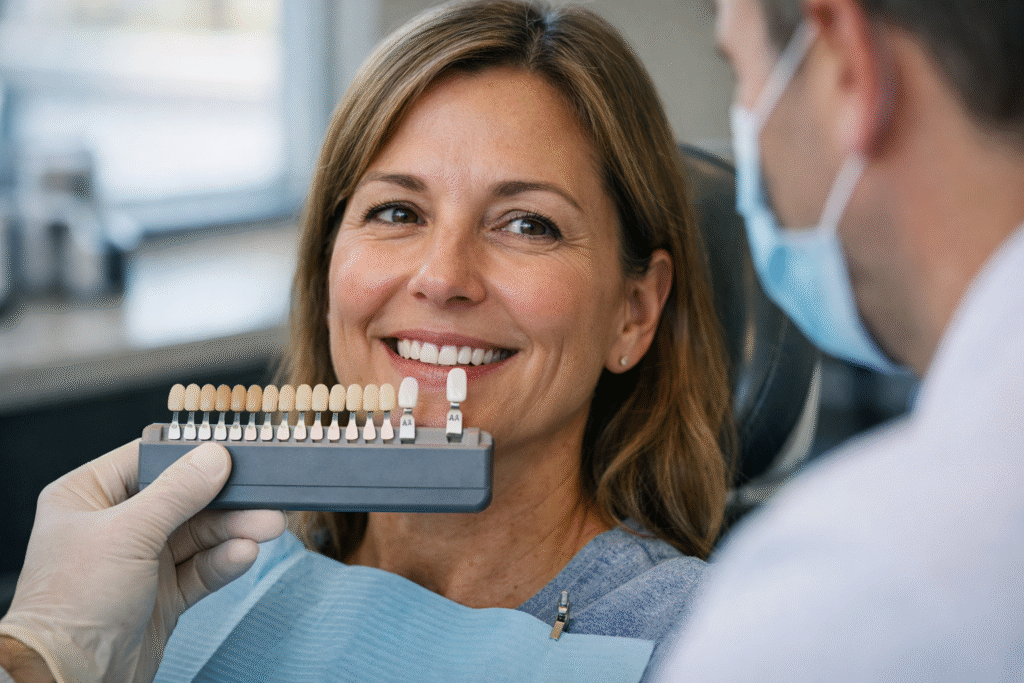
As illustrated above, professional in-chair whitening generally provides the longest-lasting results due to higher-concentration peroxide gels applied under controlled conditions. Take-home custom trays also offer reliable outcomes when used correctly. In contrast, retail kits often produce shorter-term improvements because of lower active strength and lack of supervision. This difference in formulation and oversight directly impacts the longevity of whitening treatments.
3. Oral Hygiene and Maintenance
Consistent oral hygiene plays a decisive role in preserving whitening outcomes. Daily plaque removal reduces the accumulation of surface stains and limits pigment adhesion. Professional cleaning appointments further enhance this effect by removing early extrinsic staining before it becomes embedded.
Internal clinic audit (2024):
- Patients attending regular 6-month cleans maintained brightness 35% longer than those who skipped appointments.
This finding reinforces that whitening longevity is strongly maintenance-dependent. Patients who combine professional treatment with structured oral care routines consistently achieve extended longevity of whitening treatments compared to those who rely solely on the initial procedure.
The Science Behind How Whitening Works
Professional whitening is based on a well-established chemical reaction known as oxidation. Whitening gels contain peroxide-based agents, commonly hydrogen peroxide or carbamide peroxide, that penetrate enamel and interact with the pigmented molecules responsible for staining. These pigments, known as chromogens, contain complex chemical bonds that absorb light and create a darker appearance.
Once the whitening gel is applied, the active peroxide releases oxygen molecules. These oxygen radicals break apart the long-chain stain molecules into smaller, less pigmented fragments. As the chromogens lose their structural integrity, they absorb less light, and the tooth appears visibly brighter.
The whitening process can be understood in progressive stages:
- Presence of surface and deep stains caused by diet, smoking, or ageing
- Application of a peroxide-based whitening gel under controlled conditions
- Release of oxygen molecules that penetrate enamel
- Oxidation of stain compounds, breaking them into smaller particles
- Reduction in light absorption, resulting in a brighter tooth shade
Importantly, whitening does not coat or “paint” the teeth white. Instead, it chemically neutralises stain molecules within the enamel structure. This distinction is critical when discussing the longevity of whitening treatments, as the process enhances natural tooth colour rather than permanently altering tooth anatomy.
Why Whitening Results Naturally Fade Over Time
While professional whitening can deliver dramatic improvements, the longevity of whitening treatments is not indefinite. Teeth are biologically dynamic structures, and environmental exposure continues after treatment.
Several factors contribute to gradual fading:
- Enamel remains semi-porous, allowing new pigments to bind over time
- Daily exposure to staining substances such as coffee, tea, and wine
- Natural ageing, which causes enamel thinning and increased dentin visibility
- Variations in saliva composition, affecting natural cleansing and remineralisation
Even after successful whitening, enamel continues to interact with dietary chromogens. Over months or years, these pigments accumulate again, slowly diminishing brightness. Additionally, as dentin naturally darkens with age, it may influence the overall tooth shade regardless of surface stain control.
According to the Australian Dental Association, lifestyle and dietary patterns significantly influence long-term oral aesthetics. This reinforces that the longevity of whitening treatments depends not only on the initial procedure but also on consistent oral hygiene, dietary awareness, and regular professional maintenance.
How to Maximise the Longevity of Whitening Treatments
Achieving a brighter smile is only the first step; preserving it requires deliberate aftercare. The longevity of whitening treatments depends heavily on how well patients protect their enamel from new pigment exposure in the weeks and months following the procedure. Because enamel remains naturally porous, especially immediately after whitening, early habits can significantly influence how long results last.
Here’s a practical step-by-step approach to extending your results:
1. Follow the 48-Hour Rule
Avoid highly pigmented foods and beverages immediately after treatment. During this period, enamel is temporarily more permeable, making it more susceptible to absorbing new chromogens.
2. Use a Straw
When consuming iced coffee, cola, or other dark beverages, using a straw helps minimise direct contact between staining liquids and the enamel surface.
3. Rinse After Dark Drinks
A quick rinse with water reduces pigment adhesion and helps neutralise acids before they bind to enamel.
4. Maintain Professional Cleans
Plaque biofilm attracts and retains stain molecules. Regular six-month professional cleaning removes early surface stains and significantly improves the longevity of whitening treatments.
5. Consider Annual Touch-Ups
Small maintenance sessions, whether in-chair or with customised take-home trays, can refresh brightness before significant staining reoccurs.
For patients who would like a broader understanding of our clinical philosophy and long-term preventative strategies, you can learn more about our approach at Bay Central Dental, where we outline our commitment to both cosmetic excellence and oral health preservation.
If you are specifically interested in the treatment options available, we also provide a comprehensive explanation of in-chair and take-home systems on our dedicated teeth whitening services page, offering detailed insights into how each method supports lasting results.
Pro Tip: The first two days post-whitening are critical, enamel pores are more receptive to pigments. Adopting a temporary “white diet” (avoiding dark sauces, red wine, berries, and coffee) during this window can dramatically improve the longevity of whitening treatments.
Conclusion: Protect the Longevity of Whitening Treatments with the Right Care
The longevity of whitening treatments ultimately depends on three things: professional application, lifestyle habits, and maintenance.
While whitening isn’t permanent, it can deliver long-lasting results when managed properly. With the right guidance, many patients enjoy bright smiles for well over a year, sometimes longer.
At Bay Central Dental, we focus on preventative dentistry, cosmetic precision, and personalised treatment planning to help maximise your results safely. Whether you’re considering whitening for the first time or maintaining previous results, our team is here to guide you.
We invite you to visit our website, learn more about our services, and book a consultation to discuss your goals. A brighter smile isn’t just about aesthetics, it’s about confidence, presence, and feeling your best every day.
FAQs (Frequently Asked Questions)
How long is the longevity of whitening treatments after one session?
Most professional whitening treatments last between 12–24 months, depending on individual habits and oral care routines. Factors such as diet, smoking, and overall dental hygiene play a major role in how long results remain visible. Regular professional cleanings and occasional touch-up treatments can help maintain brightness over time.
Does drinking coffee ruin whitening immediately?
Drinking coffee does not ruin whitening results immediately, but frequent and long-term exposure to dark beverages can gradually cause staining and accelerate fading. Using a straw for cold drinks, rinsing with water afterward, and maintaining proper brushing habits can help minimise the staining effect.
Can I make whitening last longer naturally?
Yes, consistent oral hygiene practices such as brushing twice daily, flossing, and using a non-abrasive whitening toothpaste can help extend results. Reducing consumption of staining foods and beverages, quitting smoking, and attending routine dental cleanings significantly support longer-lasting whitening outcomes.
Is it safe to repeat whitening every year?
In most cases, repeating whitening annually is safe when performed or supervised by a dental professional. Dentists assess enamel health before recommending retreatment to ensure safety. Yearly touch-ups are common and help maintain consistent shade without harming the teeth.
Why did my friend’s whitening last longer than mine?
The longevity of whitening results varies between individuals due to differences in enamel thickness, natural tooth colour, saliva composition, diet, and lifestyle habits. People who avoid staining substances and maintain strict oral hygiene often retain their results longer than those with higher exposure to stain-causing factors.