
Porcelain veneer teeth are a leading cosmetic dentistry solution designed to transform the appearance of teeth by enhancing colour, shape, size, and overall alignment. Made from high-quality dental porcelain, these veneers are custom-crafted to closely mimic natural tooth enamel, making them one of the most trusted and long-lasting options for smile makeovers in Australia. Their precision design allows dentists to tailor each veneer to a patient’s facial features, skin tone, and natural bite for a balanced, authentic result.
For patients seeking a refined, natural-looking smile without ongoing cosmetic maintenance, porcelain veneers are often regarded as the benchmark treatment. Unlike removable or short-term cosmetic fixes, porcelain veneer teeth integrate seamlessly with natural teeth, offering a long-term enhancement that feels and functions like a real smile rather than a cosmetic overlay.
What Are Porcelain Veneer Teeth?
Porcelain veneer teeth refer to thin, custom-made porcelain shells that are permanently bonded to the front surface of natural teeth. Their role is to correct visible imperfections while preserving as much of the original tooth structure as possible, which aligns with modern minimally invasive cosmetic dentistry principles.
Porcelain is specifically chosen because it:
- Reflects light like natural enamel, This optical quality allows veneers to blend seamlessly with surrounding teeth, preventing the flat or artificial appearance often associated with lower-quality materials.
- Maintains colour stability over time, Porcelain resists staining from coffee, tea, wine, and tobacco, helping patients maintain a bright smile for years without frequent whitening treatments.
- Offers excellent strength despite its thin design, Once bonded, veneers become remarkably durable, capable of withstanding normal biting forces while maintaining their refined appearance.
Unlike temporary cosmetic treatments, porcelain veneers are engineered for durability, aesthetics, and long-term performance, making them a reliable investment for patients prioritising both beauty and function.
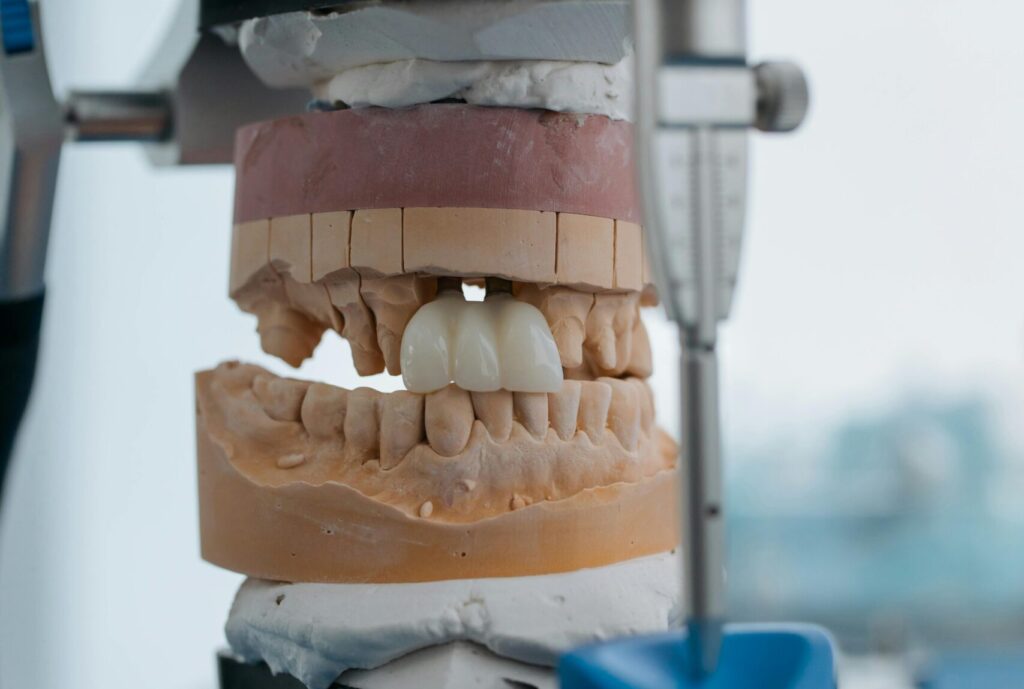
What Dental Concerns Can Porcelain Veneer Teeth Address?
Porcelain veneers are versatile and commonly used to correct a wide range of cosmetic concerns, particularly when patients want visible improvement without extensive dental procedures:
- Deep tooth discolouration resistant to whitening, Veneers can mask intrinsic stains that do not respond to professional bleaching.
- Chipped or worn enamel, They restore tooth structure lost through grinding, ageing, or minor trauma.
- Uneven tooth length or shape, Veneers create symmetry and proportion across the smile.
- Small gaps between teeth, Gaps can be visually closed without orthodontic treatment.
- Mild to moderate cosmetic misalignment, Veneers can create the appearance of straighter teeth when structural alignment issues are minimal.
For patients whose main concern is alignment rather than colour or wear, it can be helpful to also explore options such as veneers for crooked teeth, which explain how Porcelain veneer teeth can visually improve tooth alignment without orthodontics while still maintaining a natural aesthetic.
Why Porcelain Veneers Outperform Other Cosmetic Options
Porcelain veneer teeth are often considered superior to other cosmetic dentistry solutions because they combine visual realism with long-term reliability. Rather than simply masking imperfections, porcelain veneers are designed to integrate with the natural structure of the teeth, enhancing appearance without compromising function.
Natural Aesthetics
Porcelain reproduces the translucency and texture of enamel, resulting in a smile that looks realistic, not artificial. Light passes through porcelain in a similar way to natural teeth, which prevents the opaque or overly bright appearance sometimes seen with other cosmetic materials. This is a key reason Porcelain veneer teeth are favoured for patients seeking a subtle yet noticeable smile transformation.
Long-Term Stain Resistance
Porcelain veneer teeth resist staining from coffee, tea, red wine, and ageing, unlike natural enamel. The non-porous surface of dental porcelain helps maintain colour consistency over time, reducing the need for frequent whitening or cosmetic maintenance and supporting a consistently polished appearance.
Proven Durability
With proper care, porcelain veneers typically last 10–15 years or longer, making them a reliable long-term investment. Their strength allows them to withstand normal biting forces while maintaining their refined finish, which contributes to both aesthetic longevity and everyday comfort.
Pro tip: Patients looking for a once-off cosmetic solution often choose porcelain veneers over treatments that require regular touch-ups, especially when long-term appearance is a priority.
Porcelain Veneer Teeth vs Other Cosmetic Treatments
When comparing cosmetic dental options, it’s important to consider longevity, appearance, and how much natural tooth structure is preserved. The table below highlights how porcelain veneers perform relative to other commonly chosen treatments.
| Treatment | Longevity | Stain Resistance | Appearance |
|---|---|---|---|
| Porcelain veneers | 10–15+ years | Excellent | Highly natural |
| Composite veneers | 5–7 years | Moderate | Natural |
| Teeth whitening | 6–24 months | Low | Natural |
| Dental crowns | 15+ years | Excellent | Functional focus |
Porcelain veneer teeth strike a balance between aesthetics, conservative preparation, and durability. Unlike crowns, they typically require less removal of natural tooth structure, and compared to whitening or composite options, they offer greater longevity and colour stability.
Step-by-Step: How Porcelain Veneer Teeth are Placed
Comprehensive Consultation
Smile assessment, digital scans, photography, and shade analysis. This initial stage allows the dentist to evaluate facial proportions, tooth alignment, and bite function, ensuring the veneers are planned with both aesthetics and oral health in mind.
Minimal Tooth Preparation
A thin layer of enamel is reshaped to ensure a seamless fit. This conservative approach helps veneers sit flush with the natural tooth surface, preventing bulkiness while preserving as much healthy enamel as possible.
Custom Veneer Fabrication
Veneers are crafted to complement facial features and bite dynamics. Dental laboratories use precise measurements and shade matching to ensure each veneer blends naturally with surrounding teeth and supports proper function.
Final Bonding and Refinement
Veneers are permanently bonded and polished for comfort and function. Once placed, the dentist fine-tunes the bite and finish to ensure the Porcelain veneer teeth feel natural and perform reliably in daily use.
Who Is an Ideal Candidate for Porcelain Veneer Teeth?
Porcelain veneers are best suited for patients who want to enhance their smile while maintaining a natural appearance and long-term oral health. An ideal candidate typically has stable dental foundations, allowing veneers to function both aesthetically and predictably over time.
You may be a good candidate if you:
- Want a long-lasting cosmetic improvement
- Have healthy gums and sufficient enamel
- Prefer a fixed, low-maintenance solution
- Have cosmetic rather than structural concerns
Many patients begin by understanding a clinic’s overall approach to cosmetic and restorative dentistry at Bay Central Dental, where veneer treatments are planned conservatively and aligned with long-term oral health. This ensures that aesthetic goals are balanced with functional stability.
When Porcelain Veneers May Not Be Suitable
While porcelain veneers are highly versatile, they are not always the first-line option for every patient. Certain conditions may reduce their effectiveness or longevity if not addressed beforehand.
Porcelain veneer teeth may not be recommended if:
- Teeth are severely misaligned, Significant alignment issues may require orthodontic treatment before veneers can be considered.
- Active gum disease is present, Healthy gums are essential for veneer success, as inflammation can compromise both aesthetics and bonding stability.
- Teeth grinding is unmanaged, Bruxism can place excessive stress on veneers, increasing the risk of chipping or premature wear.
- Enamel loss is extensive, Without adequate enamel, achieving a strong and lasting bond becomes more challenging.
In these cases, preparatory or alternative treatments may be advised first, such as gum therapy, orthodontics, or bite management, to ensure that Porcelain veneer teeth deliver safe, durable, and natural-looking results when eventually placed.
Australian Insights: The Rise of Porcelain Veneers
Recent trends in Australian cosmetic dentistry indicate:
- Over 60% of veneer cases are driven by aesthetic goals
- Adults aged 30–55 represent the largest patient group
- Demand continues to rise for minimally invasive, natural-looking solutions
According to guidance from the Australian Dental Association, porcelain veneers are considered an appropriate cosmetic treatment when ethical case selection and conservative preparation are followed.
Why Experience Matters With Porcelain Veneers
Porcelain veneers are not simply cosmetic add-ons, they are precision restorations that must harmonise with facial features, natural tooth structure, and functional bite patterns. The success of Porcelain veneer teeth depends heavily on the clinician’s experience, as even small design or placement errors can affect both appearance and longevity.
Placing porcelain veneer teeth requires:
- Advanced aesthetic judgement, Dentists must evaluate tooth proportions, smile line, lip movement, and facial symmetry to ensure the final result looks natural rather than uniform or artificial.
- Digital smile design expertise, Modern veneer planning relies on digital scans, mock-ups, and visual simulations to predict outcomes accurately and involve patients in the design process before treatment begins.
- Understanding of bite and jaw mechanics, Proper occlusion ensures veneers are not subjected to excessive forces during chewing or grinding, which is critical for long-term durability.
Clinics that focus on cosmetic and restorative dentistry tend to deliver more predictable and natural results. Patients considering treatment often review detailed service information about porcelain veneers to understand materials, planning, and long-term expectations before making a decision, ensuring their investment aligns with both aesthetic goals and oral health needs.
Conclusion: Is Porcelain Veneer Teeth Treatment Right For You?
Porcelain veneer teeth remain one of the most trusted and natural-looking cosmetic dentistry solutions available today. When carefully planned and placed by experienced professionals, they enhance smile aesthetics, confidence, and facial harmony while maintaining oral health and structural integrity.
If you’re considering a premium, Australian-standard smile makeover, start your journey with Bay Central Dental, where expertise in porcelain veneers is combined with advanced technology, ethical planning, and patient-centred care.
A confident smile doesn’t come from shortcuts, it comes from the right solution, delivered by the right team.
FAQs (Frequently Asked Questions)
Do porcelain veneers damage natural teeth?
When done conservatively, veneers preserve most of the natural tooth structure.
Do porcelain veneer teeth look fake?
High-quality porcelain mimics natural enamel translucency, so results look natural.
Can porcelain veneers stain over time?
Porcelain veneers are highly resistant to staining.
How long do porcelain veneer teeth last?
With proper care, they commonly last 10–15 years or longer.
Can I eat normally after getting porcelain veneers?
Yes. Once bonded, veneers function like natural teeth.