
Professional teeth cleaning plays a crucial role in preventive dentistry by addressing plaque buildup and early gum inflammation before they turn into more serious problems. While daily brushing and flossing form the foundation of oral hygiene, they cannot fully eliminate hardened deposits that gradually accumulate in hard-to-reach areas of the mouth.
Over time, these deposits can silently contribute to gum disease, bad breath, and enamel damage without causing immediate pain. This is why professional teeth cleaning is widely viewed by dental professionals as a long-term investment in oral health rather than a cosmetic luxury.
What Is Professional Teeth Cleaning and How Does It Actually Work?
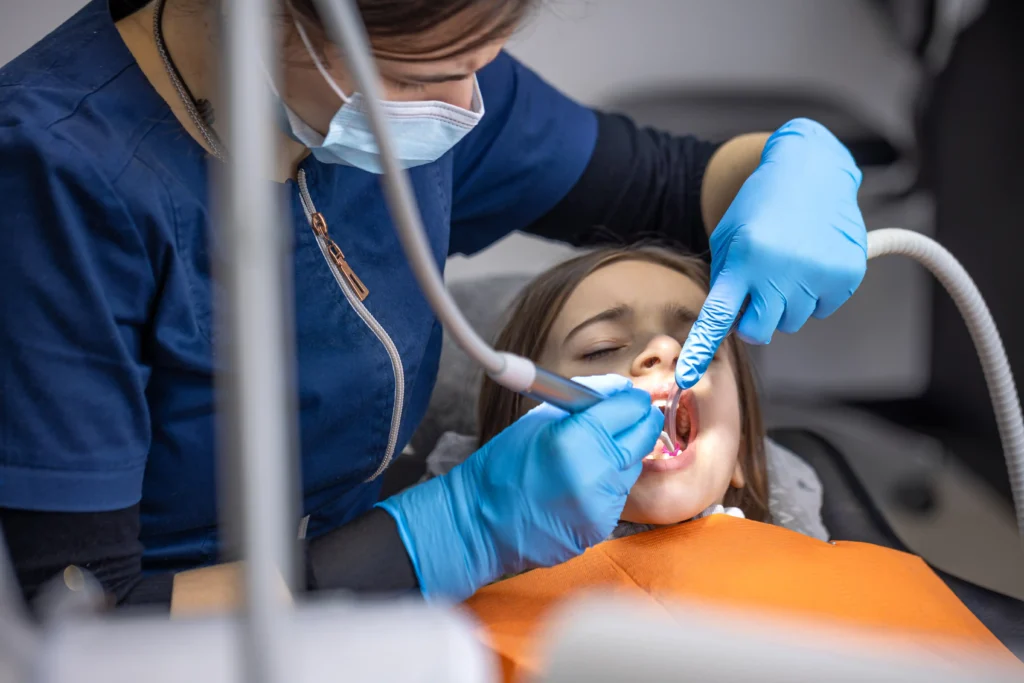
This preventive dental procedure is carried out by trained clinicians to maintain gum stability and tooth health. At its core, professional teeth cleaning focuses on removing plaque and hardened buildup that ordinary home care cannot address, particularly along the gum margin and between teeth.
During the appointment, dental instruments are used to carefully clean tooth surfaces and smooth enamel. Some of these techniques are commonly explained through dental scaling and polishing, which helps ensure bacteria and deposits are removed safely without damaging the teeth. When performed regularly, professional teeth cleaning supports a healthier oral environment that is easier to maintain at home.
Why Preventive Dental Cleaning Matters More Than Daily Brushing
Brushing twice a day and flossing regularly are essential habits, but they have limits.
Even people with excellent oral hygiene often miss areas where plaque accumulates gradually. Once plaque hardens into tartar, it can only be removed by a dental professional. This is where professional teeth cleaning becomes essential, as it targets buildup before inflammation progresses into gum disease.
Key benefits of routine dental cleaning include:
- Reduced gum irritation and bleeding
- Lower risk of periodontal disease
- Fresher breath and cleaner tooth surfaces
- Early identification of dental concerns
Pro tip: If your gums bleed easily, it’s often a sign that professional teeth cleaning is needed, not that brushing should stop.
The Step-by-Step Process of a Preventive Dental Cleaning Appointment
A typical appointment follows a structured process to ensure comfort and effectiveness.
1. Oral Assessment
The dentist or hygienist evaluates gum health, plaque levels, and existing dental work.
2. Removal of Buildup
Specialised tools are used to remove plaque and tartar from tooth surfaces and along the gum line.
3. Tooth Polishing
Teeth are polished to smooth the enamel, helping reduce future bacterial attachment.
4. Personalised Advice
Patients receive tailored guidance on maintaining oral health between visits, reinforcing the long-term benefits of professional teeth cleaning.
Pro tip: Addressing plaque early through routine cleaning is far easier than treating advanced gum disease later.
Preventive Dental Cleaning vs Home Oral Care
| Aspect | Home Care | Preventive Dental Cleaning |
|---|---|---|
| Plaque removal | Surface-level | Deep and thorough |
| Tartar removal | Not possible | Fully removed |
| Gum health support | Limited | Targeted |
| Early issue detection | No | Yes |
| Long-term prevention | Partial | High |
This comparison highlights why professional teeth cleaning complements daily habits rather than replacing them.
Health Benefits Beyond a Brighter Smile
Preventive dental cleaning supports more than just appearance.
Australian oral health research consistently links regular professional care with lower rates of gum disease and tooth loss. Patients who commit to professional teeth cleaning as part of their routine are also less likely to require complex restorative procedures later in life.
Long-term advantages include:
- Healthier gums
- Reduced risk of decay
- Improved oral comfort
- Better overall dental stability
This preventive approach aligns with guidance promoted by national dental health authorities, which emphasise routine professional care as a foundation of lifelong oral health.
How Professional Dental Guidance Aligns with National Oral Health Standards
The importance of preventive dental care is not limited to individual clinics, it is also reflected in national health recommendations. Guidance published by recognised oral health authorities consistently highlights routine professional cleaning as a key strategy for reducing gum disease and maintaining oral health across all age groups.
This approach closely aligns with educational resources provided by the Australian Dental Association’s oral health guidelines, which emphasise regular professional care as a foundation for long-term dental wellbeing. By following evidence-based recommendations, patients can make informed decisions about maintaining healthy teeth and gums throughout life.
Is Preventive Dental Cleaning Safe for Everyone?
Yes. Routine cleaning performed by qualified dental professionals is widely considered safe.
Some patients may notice mild sensitivity afterward, particularly if significant buildup was present, but this usually settles quickly. Adjustments can be made to ensure professional teeth cleaning remains comfortable for patients with sensitive gums or existing dental concerns.
How Often Should Australians Schedule Preventive Dental Cleaning?
For most adults, dental professionals in Australia recommend visits every six months.
However, more frequent appointments may be advised for people who:
- Smoke or vape
- Have a history of gum disease
- Wear orthodontic appliances
- Experience rapid plaque buildup
Pro tip: Consistency matters more than perfection, regular professional teeth cleaning helps maintain stable gum health over time.
Why Preventive Dental Care at Bay Central Dental Makes a Real Difference
At Bay Central Dental, preventive care is approached with a long-term mindset. Our experienced team views professional teeth cleaning as the cornerstone of maintaining oral health, focusing on early intervention, patient education, and personalised care.
This philosophy is supported by a comprehensive range of options available through our dental treatments and services, allowing patients to transition seamlessly from routine maintenance to advanced care when required.
Simple Pro Tips to Maintain Results
- Keep six-monthly appointments
- Use a soft-bristle toothbrush
- Address gum changes early
When scheduled consistently, professional teeth cleaning remains one of the most effective ways to protect your smile, reduce long-term risks, and maintain confident oral health at every stage of life.
FAQs (Frequently Asked Questions)
How long does a routine cleaning appointment take?
Most visits last between 30 and 60 minutes.
Will the procedure damage my enamel?
No. Professional teeth cleaning helps protect enamel by removing bacteria that contribute to erosion.
Is discomfort normal?
The process is generally comfortable, with only mild, temporary sensitivity in some cases.
Can stains be reduced during cleaning?
Yes. Surface stains from food, drinks, or smoking are often noticeably improved.
What happens if I delay routine cleanings?
Skipping professional teeth cleaning increases the risk of gum disease and future dental complications.