
Restoring broken teeth is one of the most important steps in modern dentistry, combining advanced technology with personalised care to rebuild damaged teeth without compromising natural aesthetics. Whether the damage comes from trauma, decay, grinding, or everyday wear, modern restorative techniques allow dentists to preserve structure, improve strength, and restore a confident smile. Today, Restoring broken teeth is not only about fixing visible damage but also about protecting long-term oral health by preventing further fractures or infection.
Across Australia, more patients are choosing early intervention rather than waiting until pain appears. Preventive-focused dentistry encourages patients to repair small cracks or chips before they progress into deeper structural problems. By addressing issues early, Restoring broken teeth can often be achieved with more conservative treatments that maintain natural enamel and reduce the need for complex procedures later.
Many patients begin their journey by exploring trusted practices like Bay Central Dental, where expertise in restorative and cosmetic dentistry supports both function and aesthetics. Clinics that combine digital diagnostics with personalised treatment planning can provide solutions tailored to bite alignment, tooth strength, and overall smile balance, making Restoring broken teeth a more predictable and comfortable process.
What Does Restoring Broken Teeth Really Mean?
Restoring broken teeth involves repairing damaged enamel or internal tooth structure using materials designed to mimic natural teeth. Instead of removing the tooth, dentists aim to rebuild and strengthen it so it can continue functioning normally. This approach focuses on preserving as much healthy structure as possible while restoring stability, which is a core principle behind modern techniques for Restoring broken teeth.
Common Causes of Broken Teeth
- Untreated cavities weakening enamel
- Accidental trauma or sports injuries
- Teeth grinding and clenching
- Old or failing restorations
- Sudden biting pressure on hard foods
Understanding these causes helps patients recognise early warning signs such as sensitivity, rough edges, or small chips. Identifying the source of damage allows dentists to choose the most appropriate method for Restoring broken teeth, ensuring the repair blends naturally with surrounding teeth while improving durability.
Pro tip: Even a tiny crack can spread under chewing pressure. Addressing it early often prevents more invasive treatment later.
Modern Treatment Options for Restoring Broken Teeth
The right solution depends on the severity of the damage, tooth position, and overall oral health. Dentists evaluate bite pressure, enamel thickness, and surrounding teeth before recommending a treatment plan. In many cases, Restoring broken teeth involves selecting a method that strengthens the tooth while maintaining a natural appearance.
Dental Bonding for Minor Damage
Composite resin is applied directly to reshape and reinforce small chips or fractures. This conservative approach allows dentists to preserve healthy enamel while improving both function and aesthetics. For patients seeking minimally invasive solutions, bonding is often the first step in Restoring broken teeth when damage is limited to the outer layer.
Dental Crowns for Severe Breaks
Crowns cover the entire tooth, restoring strength while protecting against further damage. They are commonly recommended when fractures extend deeper into the tooth structure or when large restorations are present. By redistributing chewing forces evenly, crowns play a significant role in Restoring broken teeth that require long-term structural support.
Bridges for Missing or Unsalvageable Teeth
When a tooth cannot be saved, bridges help restore bite balance and aesthetics by replacing the missing structure. This option not only improves appearance but also prevents neighbouring teeth from shifting, which is an important part of comprehensive treatment planning when Restoring broken teeth.
If you’d like to understand how structural restorations protect damaged teeth long-term, you can explore crown and bridge treatments, which are commonly used to reinforce compromised teeth. Learning about these options helps patients see how Restoring broken teeth fits into a broader strategy focused on stability and durability.
| Treatment | Ideal For | Durability | Aesthetic Outcome |
|---|---|---|---|
| Bonding | Small chips | Moderate | Natural |
| Crown | Large fractures | High | Excellent |
| Bridge | Missing teeth | High | Functional |
The comparison above highlights how each method supports different levels of damage. Dentists often combine techniques to achieve the best result, ensuring that Restoring broken teeth maintains both strength and a natural-looking smile.
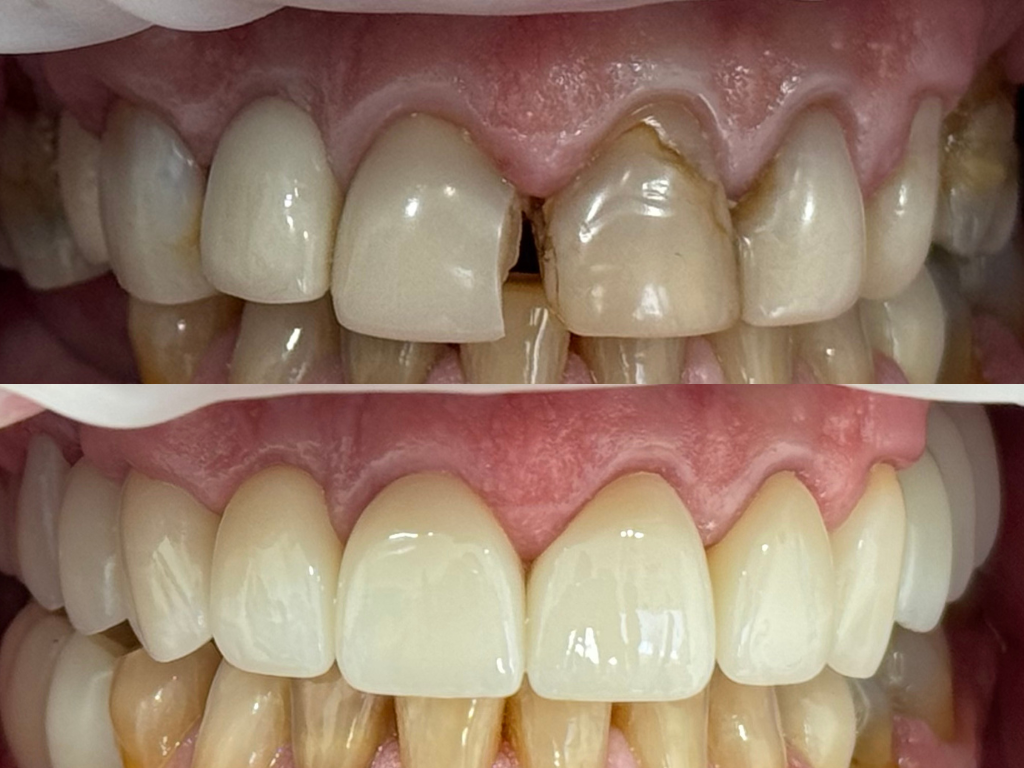
Pro tip: Choosing ceramic or zirconia crowns can provide excellent strength while maintaining a natural enamel-like appearance. These materials are designed to mimic light reflection similar to real teeth, making them a popular choice in modern restorative dentistry.
Why Early Restoration Makes a Powerful Difference
Ignoring a broken tooth can lead to:
- Increased sensitivity
- Bacterial infection
- Structural collaps
- Need for root canal treatment
Early treatment helps stabilise the tooth before damage spreads deeper. Modern adhesive materials used in Restoring broken teeth distribute chewing forces more evenly, reducing the risk of further fractures and helping preserve natural structure.
Australian oral health research highlights that early restorative intervention significantly reduces the risk of more complex dental procedures. By addressing cracks or chips promptly, dentists can often use more conservative techniques that maintain enamel strength while improving long-term comfort.
Pro tip: If a tooth feels sharp against your tongue, it may indicate a small fracture or enamel chip. Seeking professional advice early can make Restoring broken teeth simpler, faster, and less invasive.
The Step-by-Step Process of Restoring Broken Teeth
1. Examination and Diagnosis
Digital imaging, intraoral photography, and bite analysis help dentists understand the depth and direction of a fracture. This stage is essential for Restoring broken teeth because small cracks may extend below the surface and affect how the restoration is designed. By analysing occlusion and enamel thickness, dentists can choose a treatment that stabilises the tooth without unnecessary removal of healthy structure.
2. Personalised Treatment Planning
Your dentist discusses options based on long-term durability, aesthetics, and bite function. Treatment planning often includes evaluating chewing forces, gum health, and surrounding teeth to ensure the chosen restoration integrates naturally into your smile. A personalised approach to Restoring broken teeth helps reduce future complications by matching the material and technique to each patient’s unique oral conditions.
3. Tooth Preparation
Damaged areas are carefully cleaned and shaped to support the restoration. This process may involve removing weakened enamel or decay while preserving as much natural structure as possible. Proper preparation improves bonding strength and allows restorative materials used in Restoring broken teeth to sit securely, reducing the risk of fractures or sensitivity later.
4. Placement of Restoration
Bonding, crowns, or bridges are applied with precision using adhesive protocols designed to strengthen the tooth. Modern bonding agents create a micromechanical connection between the restoration and enamel, helping distribute chewing forces evenly. This stage is critical in Restoring broken teeth because accurate placement influences both durability and natural aesthetics.
5. Final Adjustments
The dentist refines the bite, contours the restoration, and polishes the surface to achieve a smooth finish. Bite adjustment ensures the restored tooth does not receive excessive pressure during chewing, which can improve longevity. Careful polishing also helps Restoring broken teeth look more natural by enhancing light reflection and reducing plaque accumulation.
Pro tip: Dentists who evaluate your bite from multiple angles often achieve longer-lasting restorations by preventing uneven pressure. Balanced occlusion plays a major role in successful outcomes when Restoring broken teeth.
Materials Used in Restoring Broken Teeth
Modern restorative materials are designed to replicate the strength and translucency of natural enamel. Advances in dental science allow these materials to bond securely while maintaining a lifelike appearance, making them ideal for Restoring broken teeth in both visible and functional areas.
Common Materials Include
- Porcelain ceramics
- Composite resin
- Zirconia restorations
Each material offers unique advantages depending on the level of damage and the position of the tooth. Composite resin is often used for conservative repairs, while zirconia and porcelain ceramics provide exceptional strength for larger restorations when Restoring broken teeth.
According to educational resources like the Australian Dental Association, ceramic-based restorations can last well over a decade when properly maintained and supported by good oral hygiene. Their durability and resistance to wear make them a reliable option for patients seeking long-term results.
These materials also resist staining and maintain their colour over time, making Restoring broken teeth not only a functional solution but also an aesthetic upgrade that helps preserve a natural-looking smile.
Restoring Broken Teeth vs Extraction
Whenever possible, dentists aim to save natural teeth because they play a crucial role in overall oral health.
Benefits of Restoration
- Maintains natural bite function
- Preserves jawbone density
- Prevents shifting of surrounding teeth
- Supports facial structure
Pro tip: Even teeth that look severely damaged may be saved with a crown after root canal treatment, a consultation can reveal options you might not expect.
Real-Life Case Insight: A Typical Restoration Journey
A patient experiencing a cracked molar from years of grinding visited a restorative-focused dental clinic. Instead of extraction, a ceramic crown was used to reinforce the tooth. Within weeks, chewing comfort improved, and follow-up visits confirmed stability.
Clinical data suggests crowns placed on cracked teeth can reduce fracture progression by over 80%, demonstrating how restoring broken teeth can preserve natural function.
Caring for Restored Teeth Long-Term
Maintaining restored teeth requires consistent oral hygiene and professional monitoring.
Daily Care Tips
- Brush twice daily using fluoride toothpaste
- Floss carefully around restorations
- Avoid chewing very hard objects
- Attend regular dental check-ups
Pro tip: A night guard is often recommended for patients who grind their teeth, it can dramatically extend the lifespan of crowns and bonding.
For reliable oral health information and prevention strategies, educational resources from organisations like the Australian Dental Association provide valuable guidance for maintaining restorations.
Conclusion: Restoring Broken Teeth Is a Powerful Step Towards Long-Term Oral Health
Restoring broken teeth is more than a cosmetic fix, it’s a strategic investment in your overall oral health and quality of life. With modern materials, digital planning, and conservative techniques, dentists can rebuild damaged teeth in a way that feels natural and lasts for years.
If you’re dealing with a cracked, chipped, or weakened tooth, the next step is to connect with the experienced team at Bay Central Dental. Their personalised approach to restorative dentistry focuses on preserving natural teeth while delivering strong, aesthetic results tailored to your needs.
FAQs (Frequently Asked Questions)
Can a broken tooth repair itself naturally?
No. Enamel cannot regenerate, so professional treatment is needed. Once a crack or fracture forms, it can continue to spread under chewing pressure, which is why Restoring broken teeth early is important to prevent deeper structural damage and maintain long-term tooth strength.
Is restoring broken teeth painful?
Modern anaesthesia and gentle techniques make treatment comfortable for most patients. Many procedures used in Restoring broken teeth focus on minimally invasive preparation, which helps reduce sensitivity and allows patients to return to normal activities shortly after treatment.
How long do crowns last?
Many crowns last between 10 and 15 years or longer with proper care. Longevity often depends on oral hygiene, bite balance, and material choice, but high-quality ceramic or zirconia crowns used when Restoring broken teeth are designed to withstand everyday chewing forces while maintaining a natural appearance.
Can front teeth be restored without looking fake?
Yes. Tooth-coloured materials are customised to match natural enamel in shade, translucency, and surface texture. Advances in aesthetic dentistry allow Restoring broken teeth in visible areas to look seamless, helping patients regain confidence in their smile without an artificial look.
What happens if I delay treatment?
Cracks may worsen, potentially leading to infection or tooth loss. Delaying Restoring broken teeth can allow bacteria to enter deeper layers of the tooth, increasing the risk of needing more complex treatments such as root canal therapy or extraction. Early intervention is usually simpler, faster, and more conservative.