
Tooth decay is one of those problems that rarely announces itself loudly until the damage is already done. Tooth decay treatment refers to the professional dental methods used to stop, repair, and prevent damage caused by harmful bacteria that slowly erode tooth enamel and dentine. Left untreated, decay can progress from a minor inconvenience into pain, infection, and even tooth loss.
In Australia, tooth decay remains one of the most common chronic conditions affecting both adults and children. According to the Australian Institute of Health and Welfare, nearly 1 in 3 adults have untreated dental decay, despite it being largely preventable. This article breaks down how decay forms, how modern dentistry treats it, and what smart steps you can take to protect your smile long-term.
Understanding Tooth Decay: What’s Really Happening Inside Your Mouth
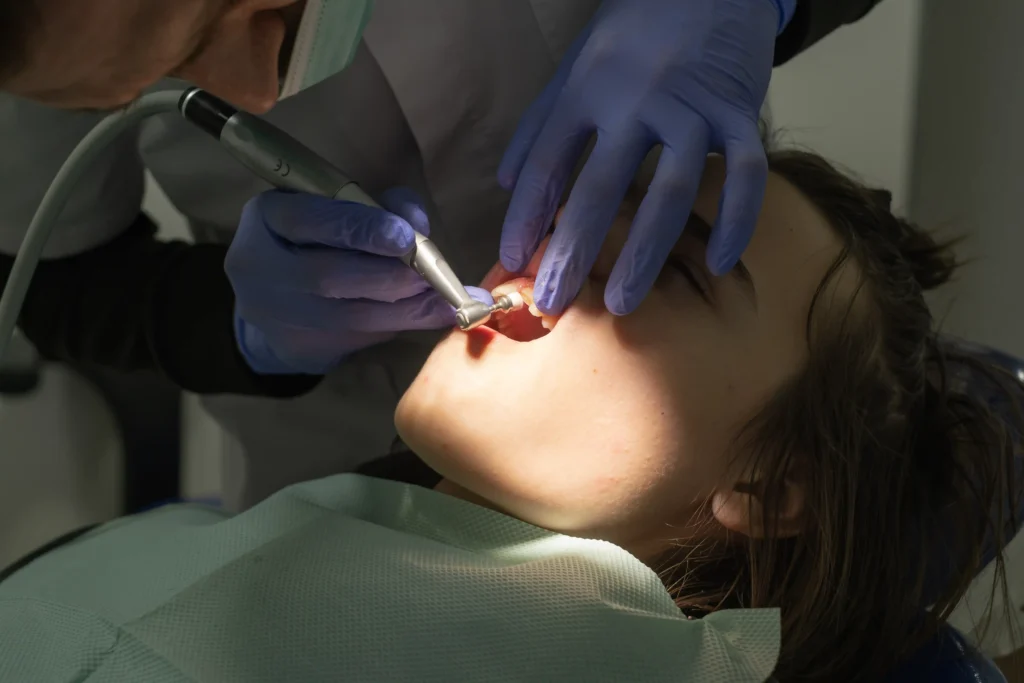
To appreciate why early care matters, it helps to understand what decay actually is not just a “hole in the tooth,” but a biological process.
How Tooth Decay Develops
Tooth decay starts when oral bacteria feed on sugars and starches, producing acids that weaken enamel. Over time, repeated acid attacks cause mineral loss, leading to cavities.
Key contributors include:
- Frequent snacking or sugary drinks
- Poor oral hygiene
- Dry mouth
- Acidic diets
- Delayed dental visits
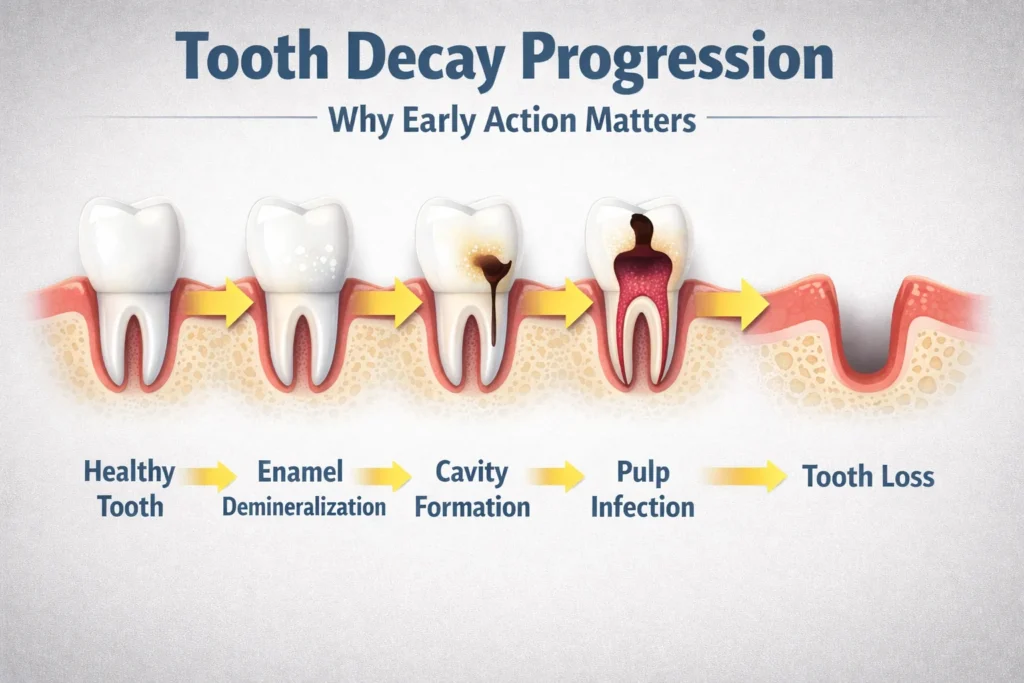
Without timely tooth decay treatment, the decay penetrates deeper layers of the tooth, eventually reaching the pulp where nerves and blood vessels live.
Early vs Advanced Tooth Decay: Why Timing Changes Everything
Early-Stage Decay (Reversible Window)
At this stage, enamel damage may not cause pain. Dentists often detect it during routine exams using X-rays or visual inspection. Preventive tooth decay treatment here may focus on remineralization and monitoring rather than invasive work.
Advanced Decay (Structural Damage)
Once decay reaches dentine or pulp, restorative intervention becomes necessary. Ignoring symptoms like sensitivity or dull pain often leads to more complex procedures and higher costs.
Modern Tooth Decay Treatment Options Explained Clearly
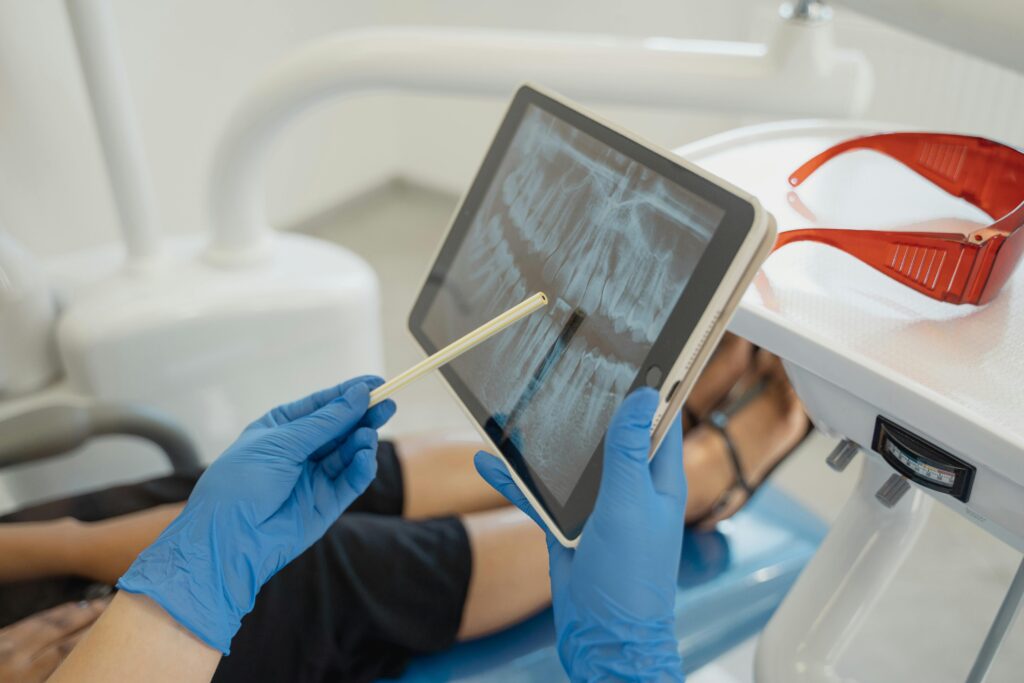
Today’s dentistry focuses on preserving natural teeth wherever possible. The right approach depends on how far the decay has progressed.
Dental Fillings (Most Common Solution)
Dental fillings remove decayed tissue and restore the tooth’s structure. This is the most frequently used tooth decay treatment in general practice.
Common materials include:
- Composite resin (tooth-coloured)
- Glass ionomer (fluoride-releasing)
- Amalgam (used less often today)
For patients with early to moderate cavities, fillings are often the most effective solution. Our dental filling procedure explains how decayed areas are carefully removed, the tooth is restored, and long-term strength is maintained using modern, minimally invasive techniques.
Root Canal Treatment (When the Nerve Is Affected)
When decay infects the pulp, a root canal is required to remove infected tissue, disinfect the canal, and seal the tooth. This advanced tooth decay treatment saves teeth that would otherwise need extraction.
Crown & Bridge (Structural Reinforcement)
If decay has weakened the tooth significantly, a crown restores strength and function. Crowns are often placed after large fillings or root canals to prevent fractures.
What Happens During a Typical Tooth Decay Treatment Visit
Here’s a simplified clinical flow that most patients experience:
- Oral examination and X-rays
- Diagnosis and treatment planning
- Local anaesthetic for comfort
- Removal of decayed tissue
- Tooth restoration (filling or crown)
- Bite adjustment and polishing
This systematic approach ensures tooth decay treatment is precise, efficient, and comfortable.
The Real Cost of Delaying Tooth Decay Treatment
Putting off dental care doesn’t save money. it multiplies costs.
| Stage of Decay | Typical Treatment | Relative Cost |
|---|---|---|
| Early enamel damage | Monitoring / fluoride | Low |
| Small cavity | Filling | Moderate |
| Deep decay | Root canal + crown | High |
| Severe infection | Extraction + replacement | Very high |
Australian dental data shows that patients who delay care are 3–5 times more likely to need complex restorative work.
Prevention Still Matters Even After Treatment
Professional tooth decay treatment fixes damage, but prevention stops it coming back. Dentists consistently see repeat decay in patients who don’t adjust daily habits.
Dentist-Backed Prevention Strategies
- Brush twice daily with fluoridated toothpaste
- Floss or use interdental brushes
- Limit sugary snacks between meals
- Drink fluoridated tap water
- Attend routine dental exams
The Long-Term Impact of Ignoring Tooth Decay
Tooth decay rarely stays a “small problem.” What begins as minor enamel damage can quietly progress into infection, structural weakness, and even tooth loss when left untreated. Many patients underestimate how quickly decay can worsen. especially when pain hasn’t started yet.
Untreated decay often leads to:
- Progressive enamel and dentine breakdown
- Increased tooth sensitivity and discomfort
- Bacterial infection reaching the tooth pulp
- Higher risk of abscess and gum complications
From a clinical perspective, delayed care almost always results in more complex procedures. Early intervention allows dentists to preserve more of the natural tooth structure, while advanced decay often requires extensive restorative work.
Ignoring tooth decay comes with serious risks that often go unnoticed until damage becomes severe. For a deeper understanding, visit this article from Royal Dental Care, where they explain the hidden dangers of tooth decay and what can happen when cavities are left untreated.
Visual Guide: Tooth Decay Progression
Final Thoughts: Take Control Before Decay Takes Over
Tooth decay doesn’t fix itself and ignoring it only makes things harder. The smartest move is early action backed by professional care and consistent prevention.
If you’re ready to protect your oral health long-term, start by visiting Bay Central Dental website to learn how our experienced team supports preventative and restorative dentistry across all stages of care.
For patients already experiencing cavities or sensitivity, explore our Dental Fillings service to see how modern restorative dentistry can stop decay early and preserve your natural teeth.
Pro Tips:
- Early checks save teeth and money
- Pain usually means decay is already advanced
- Routine exams catch problems you can’t see
- Prevention works best when paired with professional care
Frequently Asked Questions
What is the best treatment for tooth decay?
It depends on severity. Early decay may need minimal intervention, while deeper decay requires fillings or root canal therapy.
Does tooth decay treatment hurt?
Modern techniques and local anaesthetics make treatment comfortable for most patients.
Can tooth decay heal on its own?
Early mineral loss may be stabilised, but cavities cannot reverse without professional care.
How long does treatment usually take?
Most fillings are completed in one visit; advanced cases may require multiple appointments.
Is tooth decay treatment expensive in Australia?
Costs vary, but early treatment is significantly more affordable than advanced restorative work.