
Overview: What Is Tooth Filling Treatment?
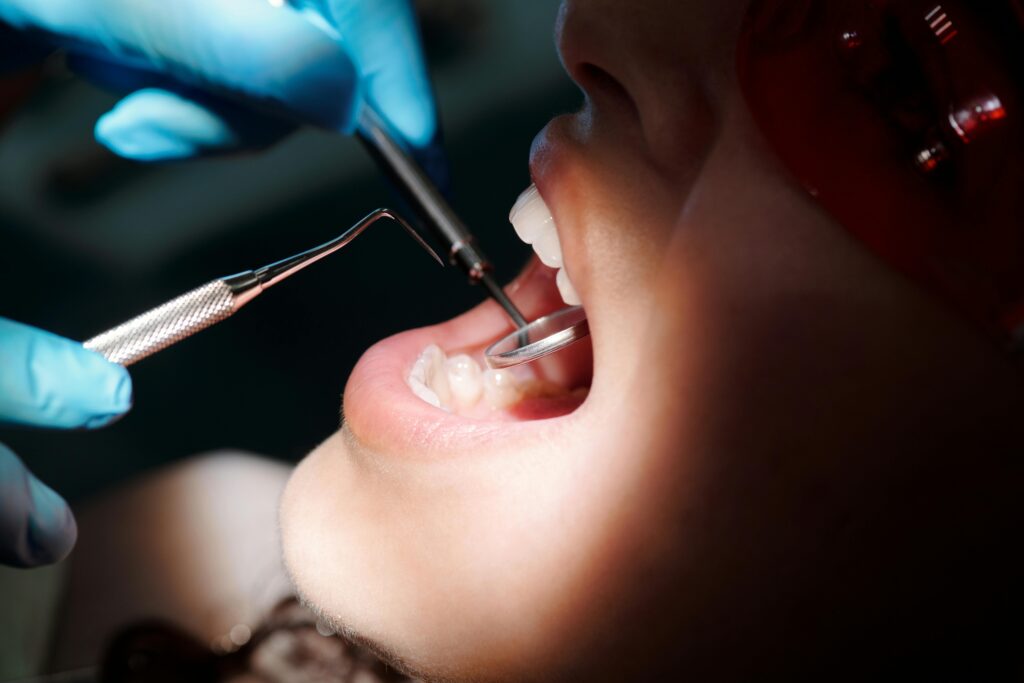
Tooth filling treatment is a restorative dental procedure designed to repair teeth damaged by decay, minor fractures, or wear. The goal is simple but critical: remove compromised tooth structure, seal the space, and restore normal function while preventing further deterioration.
In modern Australian dentistry, this approach has evolved far beyond the old silver fillings many people remember. Today’s solutions focus on preservation, comfort, and aesthetics. keeping as much of your natural tooth as possible while restoring strength and appearance.
This article walks you through the full story. from how cavities form to what actually happens in the dental chair. so you can make confident, informed decisions about your oral health.
Why Cavities Are More Serious Than They Look
Dental decay doesn’t announce itself loudly at first. It starts quietly, often without pain, gradually weakening enamel until bacteria reach deeper layers.
From a clinical perspective, untreated cavities can lead to:
- Structural tooth collapse
- Infection of the dental pulp
- Costly procedures like root canal therapy or extractions
Australian Dental Association data indicates that over 90% of adults experience decay at some point, yet many delay care until symptoms escalate. That delay often turns a straightforward tooth filling treatment into a more complex intervention.
How Tooth Filling Treatment Works (Step by Step)
1. Diagnosis and Assessment
Dentists use visual checks, X-rays, and sometimes digital scanners to determine the extent of decay. Precision matters here. over-removal weakens teeth, under-removal risks reinfection.
2. Removal of Decay
Only the compromised material is removed. Modern tools allow dentists to preserve healthy enamel and dentine wherever possible.
3. Filling Placement
The chosen restorative material is shaped, layered, and bonded to the tooth, restoring its original contour and bite alignment.
4. Final Adjustment and Polish
The filling is refined so it feels natural when you chew and speak. no awkward edges, no pressure points.
This conservative, targeted approach is what defines contemporary tooth filling treatment in reputable Australian clinics.
Types of Dental Fillings Explained
Composite Resin Fillings
These tooth-coloured restorations blend seamlessly with natural enamel. They’re ideal for visible teeth and smaller cavities.
Glass Ionomer Fillings
Often used in areas with lower bite pressure, these release fluoride over time, offering additional protection against future decay.
Ceramic Fillings
Custom-made and highly durable, ceramic options are stain-resistant and aesthetically superior for patients seeking longevity.
Each option serves a different clinical purpose, and the “best” choice depends on cavity size, location, and your bite dynamics. not just appearance.
Cost of Tooth Filling Treatment in Australia

While prices vary by clinic and region, here’s a realistic overview:
| Filling Type | Typical Price Range (AUD) | Longevity |
|---|---|---|
| Composite | $150 – $300 | 5–10 years |
| Glass Ionomer | $130 – $250 | 3–7 years |
| Ceramic | $400 – $800 | 10–15 years |
Health funds may partially cover tooth filling treatment depending on your extras policy, waiting periods, and annual limits.
Does the Procedure Hurt?
Short answer: no. at least, not in the way people fear.
Local anaesthesia ensures the process is comfortable, and advancements in technique have significantly reduced post-treatment sensitivity. Most patients return to normal eating within hours.
Discomfort, when it occurs, is typically mild and temporary.
What Happens If You Delay Treatment?
Delaying tooth filling treatment doesn’t just pause the problem, it accelerates it.
Clinically observed outcomes of delay include:
- Expansion of decay beneath the enamel
- Increased likelihood of nerve involvement
- Higher long-term treatment costs
In one Australian case review, early fillings cost patients up to 70% less than delayed restorative work on the same tooth.
How Long Do Fillings Last?
With proper care, fillings are remarkably durable. Their lifespan depends on:
- Oral hygiene habits
- Bite forces (including grinding)
- Diet, particularly sugar and acid intake
Regular dental reviews allow dentists to monitor wear and replace restorations before failure occurs. If you need more information about how long do filling last, visit one of Verywell Health’s articles where they discuss about How Long Do Fillings Last Before Needing Another?
Prevention: Reducing the Need for Future Fillings
Preventive dentistry is where long-term savings and comfort really live.
Effective strategies include:
- Fluoride toothpaste twice daily
- Regular professional cleans
- Dietary moderation
- Early intervention at the first sign of decay
Prevention doesn’t eliminate the need for tooth filling treatment entirely. but it dramatically reduces frequency and complexity.
Why Patients Trust Our Dental Expertise
Our clinic combines:
- Evidence-based dentistry
- Advanced diagnostic imaging
- Preventive-first philosophy
We don’t just restore teeth. we help patients understand why problems occur and how to avoid them long-term.
If you’re looking for reliable guidance, transparent care, and clinically sound outcomes, explore Bay Central Dental to see how our team supports lasting oral health. And discover our Dental Fillings treatment, where advanced materials and precise techniques are used to repair decay early, restore natural tooth structure, and prevent long-term complications.
Conclusion
Tooth decay doesn’t reverse on its own. but timely care makes a massive difference.
Choosing early treatment preserves tooth structure, lowers costs, and protects your overall health. The key is acting before small issues become big ones.
Pro Tips:
- Don’t wait for pain. schedule routine check-ups
- Ask your dentist about preventive coatings
- Replace worn fillings early, not after failure
Your smile is an investment. Treat it like one.
Frequently Asked Questions
How do I know if I need a filling?
Early decay is often painless. Only a dental exam can confirm whether restoration is required.
Can fillings fall out?
Yes, though modern bonding makes this uncommon. Wear, grinding, or further decay are typical causes.
Are white fillings strong enough?
Absolutely. For small to moderate cavities, composite materials perform exceptionally well.
Is replacement painful?
No more than the original procedure and often less.
Can children get fillings?
Yes. Early intervention protects developing teeth and prevents infection.