
A routine dental examination is a scheduled check-up where a dentist examines your teeth, gums, jaw, and overall oral health to catch problems early, before they turn painful, expensive, or complicated. It’s not just about “having a look”, it’s about prevention, early detection, and keeping your smile working the way it should.
In Australia, routine dental examinations are considered the backbone of preventive dentistry. Most serious dental issues don’t appear overnight. They build quietly. A small cavity today can become a root canal next year if no one spots it early. That’s why dentists keep going on about regular check-ups, and no, it’s not just marketing.
What Is a Routine Dental Examination?
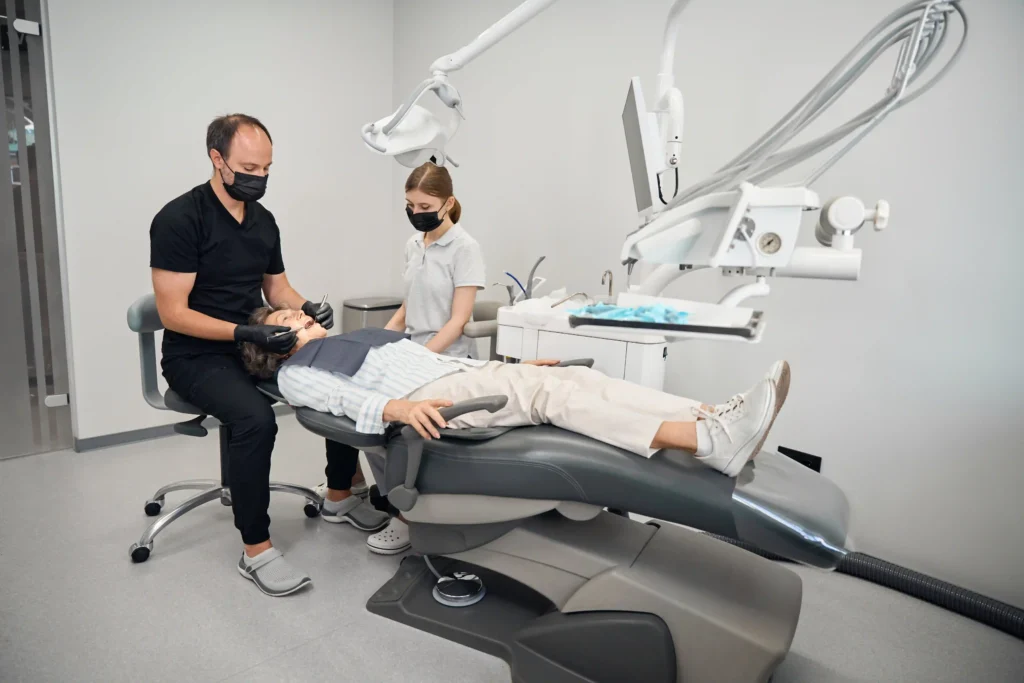
A routine dental examination is a professional oral health assessment performed by a dentist, usually recommended every six months depending on your personal risk factors.
For families, this type of visit often becomes a shared habit. Parents book their own exam and bring the kids along, making dental care feel normal rather than stressful. Clinics that offer structured family dental check-ups help keep everyone on track without turning it into a big event.ncy visits (where you go in pain), this exam is calm, structured, and preventive in nature. The goal is to find issues before you feel them.
What a Routine Dental Examination Usually Includes
Most routine exams follow a familiar pattern:
- Visual inspection of teeth and gums
- Checking for tooth decay, cracks, or wear
- Gum health assessment (bleeding, pockets, inflammation)
- Bite and jaw alignment check
- Oral cancer screening (tongue, cheeks, throat)
- Review of medical history and lifestyle factors
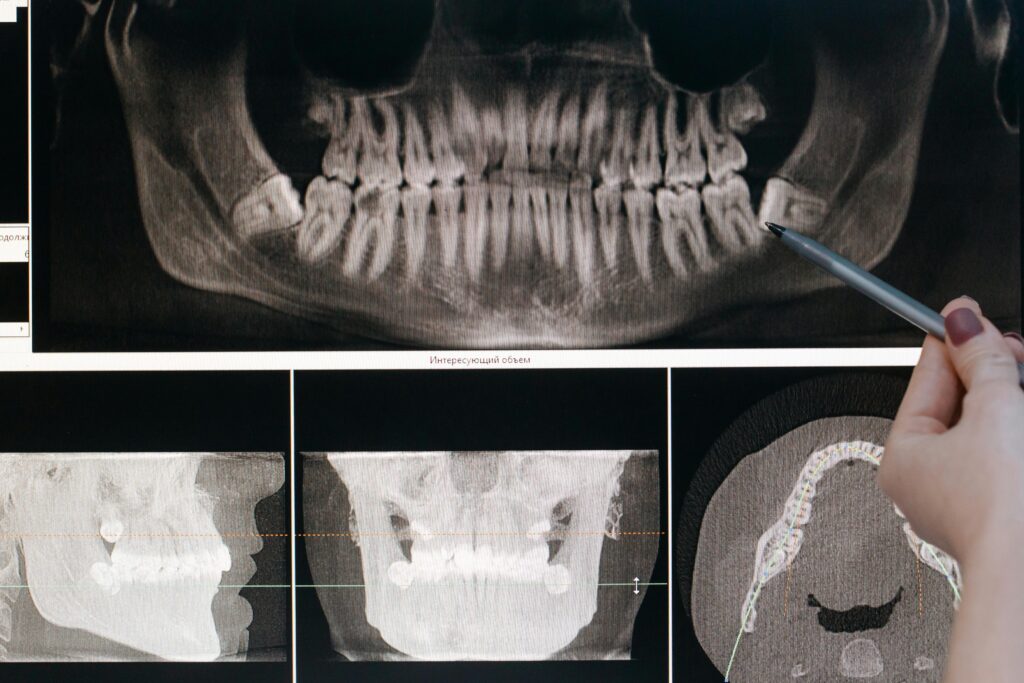
- Dental X-rays (when required)
It sounds simple, but together these steps give dentists a full picture of what’s going on beneath the surface.
Why Routine Dental Examinations Are Essential for Long-Term Oral Health
Skipping routine dental examinations is a bit like never servicing your car because it “sounds fine”. Problems don’t announce themselves early.
Early Detection Saves Teeth (and Money)
According to Australian dental health data, over 90% of tooth decay is preventable with early diagnosis and proper care. A small filling is far less invasive than crowns, root canals, or extractions later on.
A routine dental examination helps detect:
- Early cavities
- Gum disease before bone loss occurs
- Hairline cracks you can’t see
- Failing old fillings
- Signs of teeth grinding (bruxism)
Most patients are surprised when a dentist finds something they never felt at all.
How Often Should You Have a Routine Dental Examination?
The standard advice in Australia is every six months, but that’s not a hard rule for everyone.
Exam Frequency Based on Risk
| Patient Type | Recommended Exam Frequency |
|---|---|
| Low risk adults | Every 6–12 months |
| History of gum disease | Every 3–6 months |
| Children | Every 6 months |
| Smokers | Every 3–6 months |
| Diabetics | Every 3–6 months |
Your dentist will usually adjust this after reviewing your oral health history.
What Happens Step-by-Step During a Routine Dental Examination
If you’ve ever wondered what dentists are actually checking, here’s a simplified breakdown.
Step 1: Medical & Dental History Review
This helps link oral health with overall health. Medications, stress, and lifestyle all matter.
Step 2: Teeth & Gum Examination
Dentists look for decay, plaque build-up, gum recession, and inflammation.
Step 3: X-Rays (If Needed)
Not always done every visit. X-rays help spot issues between teeth and under the gums.
Step 4: Oral Cancer Screening
This is quick but critical. Early detection dramatically improves outcomes.
Step 5: Discussion & Preventive Advice
You’ll get clear feedback, what’s fine, what needs watching, and what needs treatment.
Routine Dental Examination vs Dental Cleaning: Not the Same Thing
This is where many people get confused.
| Routine Dental Examination | Dental Cleaning |
|---|---|
| Diagnosis & assessment | Removal of plaque & tartar |
| Identifies problems | Prevents build-up |
| Done by dentist | Often done by hygienist |
| May include X-rays | Polishing & flossing |
They usually happen together, but they serve different purposes.
The Preventive Role of Routine Dental Examinations
Preventive dentistry is about staying ahead of problems instead of reacting to them. Routine dental examinations allow dentists to track changes gradually, not guess when something finally hurts.
According to the Australian Dental Association, regular dental check-ups are one of the most effective ways to maintain oral health and reduce the risk of advanced dental disease.. Patients who attend routine dental examinations consistently tend to need less invasive treatment overall.
Real-World Case Insight
A common scenario seen in Australian clinics:
A patient in their late 30s skipped routine dental examinations for five years. No pain, no obvious issues. On return, advanced gum disease was discovered, requiring deep cleaning and ongoing periodontal care.
Had routine dental examinations been maintained, the condition would likely have been managed early with simple preventive visits.
How Routine Dental Examinations Support Whole-Body Health
Research increasingly links oral health with:
- Heart disease
- Diabetes control
- Pregnancy outcomes
- Respiratory conditions
Routine dental examinations help dentists spot warning signs that may relate to overall health, not just teeth.
Pro Tips to Get the Most Out of Your Routine Dental Examination
- Book exams before pain starts
- Be honest about habits (grinding, smoking, diet)
- Ask questions, even simple ones
- Keep exam frequency consistent
- Follow preventive advice, not just treatments
Small habits between visits make a big difference.
Why Choosing the Right Dental Clinic Matters
Not all routine dental examinations are equal. Experience, technology, and preventive philosophy matter.
At Bay Central Dental, routine dental examinations are approached with:
- Preventive-first mindset
- Modern diagnostic tools
- Clear explanations (no pressure)
- Experience across family, cosmetic, and restorative care
This consistency builds long-term oral health, not short-term fixes.
Conclusion: Make Routine Dental Examination Part of Your Normal Life
A routine dental examination isn’t something to fear or delay. It’s a simple habit that protects your smile, your comfort, and your wallet over time. Most dental problems are quiet at first. Regular exams make sure they stay that way.
If you’re looking for a trusted dental team in Australia that focuses on prevention, comfort, and clear communication, Bay Central Dental is the right place to start. Booking a routine dental examination today can save you stress, pain, and unnecessary treatment later on.
Sometimes the smartest dental decision is the easiest one,just showing up.
Frequently Asked Questions
Is a routine dental examination painful?
No. Most exams are quick and comfortable. Any discomfort is usually mild and temporary.
Do I really need X-rays every time?
No. X-rays are only taken when clinically necessary, based on risk and history.
Can a routine dental examination detect gum disease early?
Yes. Early gum disease often has no pain, but dentists can detect subtle signs.
How long does a routine dental examination take?
Usually between 30 to 45 minutes, depending on findings.
Are routine dental examinations covered by private health insurance?
Most Australian private health funds cover routine exams under general dental.