
Porcelain dental crowns are custom-made caps that sit over a damaged or weakened tooth, restoring its shape, strength, and appearance. In simple terms, they act like a protective helmet for your tooth, one that also happens to look natural and blend in with the rest of your smile.
In Australian dental clinics, porcelain dental crowns are commonly used when a tooth is too broken for a filling, but still healthy enough to be saved. They’re popular because they don’t just fix function, they look right too. Most people won’t even notice you’ve had work done, which, honestly, is kind of the point.
Why Porcelain Dental Crowns Matter More Than You Think
A cracked or heavily filled tooth doesn’t always hurt straight away. That’s what makes it tricky. Many patients keep chewing on one side, ignoring a small issue, until suddenly the tooth gives up altogether.
Porcelain dental crowns step in before that happens. They:
- Protect weak or cracked teeth from further damage
- Restore proper chewing function
- Improve tooth appearance and confidence
- Help avoid extractions down the line
In practices like Bay Central Dental, crowns are often part of a bigger restorative plan, not just a cosmetic fix, but a way to keep your natural teeth for as long as possible.
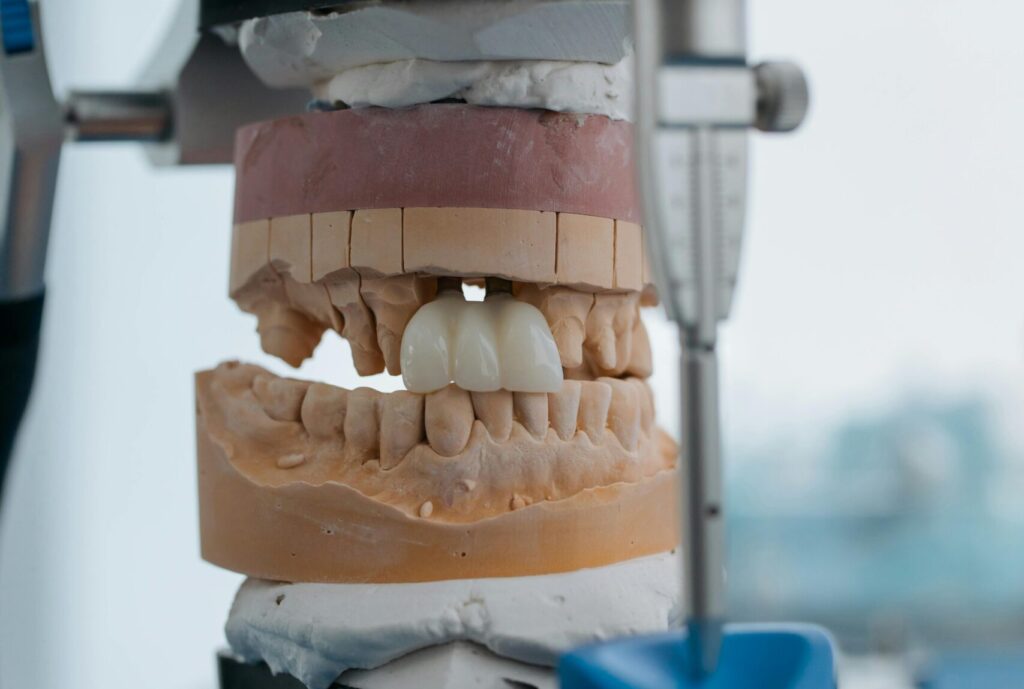
What Are Porcelain Dental Crowns Made Of?
Porcelain crowns are crafted from high-grade ceramic materials designed to mimic real enamel. Unlike metal crowns from years ago, modern porcelain reflects light in a similar way to natural teeth.
Common materials used
- All-porcelain / all-ceramic
- Porcelain-fused-to-zirconia
- Zirconia with porcelain layering
Each type has its place. Front teeth usually prioritise looks, while molars need strength. A good dentist will balance both.
When Do You Actually Need a Porcelain Dental Crown?
Not every damaged tooth needs a crown straight away. Sometimes a problem is picked up early and managed with simpler treatment. This is why regular check-ups matter more than people think.
In many cases, early signs of damage are first detected during a routine dental exam and cleaning, before pain or breakage even happens.
You may need a porcelain dental crown if:
- A tooth has a very large filling with little natural structure left
- The tooth has undergone root canal treatment
- There are visible cracks or fractures
- The tooth is worn down from grinding
- A dental implant needs a natural-looking crown on top
Crowns are often about prevention, not just repair. implant.
Step-by-Step: How Porcelain Dental Crowns Are Done
A lot of people imagine crowns as complicated or painful. In reality, it’s usually pretty straightforward.
1. Initial assessment
Your dentist checks the tooth, takes X-rays, and confirms if a crown is suitable.
2. Tooth preparation
The tooth is gently shaped so the crown fits snugly over it. Local anaesthetic is used, so you’re comfortable.
3. Impressions or digital scans
Modern clinics often use digital scanning instead of messy moulds. Much easier, less gagging.
4. Temporary crown
A temporary crown protects the tooth while the lab makes your porcelain crown.
5. Final placement
The permanent crown is fitted, adjusted, and bonded in place.
Most cases take two visits, sometimes one if same-day technology is available.
Porcelain Dental Crowns vs Other Options
Here’s a simple comparison to make things clearer:
| Treatment | Durability | Appearance | Best for |
|---|---|---|---|
| Filling | Low–medium | Good | Small damage |
| Porcelain crown | High | Excellent | Weakened teeth |
| Metal crown | Very high | Poor | Back molars only |
| Veneer | Medium | Excellent | Cosmetic front teeth |
Porcelain dental crowns sit nicely in the middle, strong, natural, and versatile.
How Long Do Porcelain Dental Crowns Last?
With proper care, porcelain dental crowns usually last 10 to 15 years, and sometimes longer.
Their lifespan depends on:
- Daily oral hygiene
- Grinding or clenching habits
- Diet and chewing forces
- Regular dental visits
According to guidance from the Australian Dental Association, ongoing professional care and good home hygiene play a big role in how long dental restorations last.That part often gets forgotten.
Cost of Porcelain Dental Crowns in Australia
Prices vary depending on materials, complexity, and location. In Australia, porcelain dental crowns typically range between:
- $1,500 – $2,500 per tooth
Health funds may cover part of the cost, depending on your level of cover. Clinics like Bay Central Dental usually explain costs clearly before treatment starts, so there’s no awkward surprise later.
Are Porcelain Dental Crowns Worth It?
Short answer: for the right tooth, yes.
They:
- Feel natural once fitted
- Restore chewing confidence
- Look like real teeth
- Reduce the risk of fractures
Many patients say they forget which tooth even has the crown after a few weeks. That’s usually a good sign.
Common Myths About Porcelain Dental Crowns
“Crowns are only cosmetic”
Not true. Most crowns are placed for structural reasons.
“They always look fake”
Modern porcelain crowns are nothing like the old bulky ones. Shade matching is very precise now.
“The procedure hurts”
Discomfort is minimal and manageable. Most people are surprised by how easy it is.
Real-World Insight from Clinical Experience
In everyday practice, dentists often see patients who delayed crown treatment, hoping a filling would hold. Statistically, heavily filled teeth are up to 6 times more likely to fracture compared to crowned teeth. Once a tooth fractures below the gum line, saving it becomes much harder.
Early crown placement can actually reduce long-term costs and complications.
Pro Tips Before Getting a Porcelain Dental Crown
- Fix grinding issues early
- Don’t delay treatment if a tooth feels weak
- Ask about materials, not all porcelain is the same
- Keep up with six-monthly dental check-ups
Small habits make a big difference long-term.
Why Choose Bay Central Dental for Porcelain Dental Crowns
At Bay Central Dental, porcelain dental crowns are planned with long-term oral health in mind, not just looks. The team focuses on preserving natural teeth, precise digital scanning, and crowns that feel comfortable from day one.
If you’re dealing with a cracked tooth, an old filling that keeps breaking, or just unsure what option fits best, the first step is a proper assessment, not guesswork.
Book a consultation at Bay Central Dental to find out whether porcelain dental crowns are the right solution for your smile, your bite, and your future dental health.
Sometimes saving a tooth now means avoiding a much bigger problem later.
Frequently Asked Questions
Do porcelain dental crowns stain over time?
Porcelain itself doesn’t stain, but the edges can discolour if oral hygiene is poor.
Can I eat normally with a crown?
Yes. Once settled, you can eat as normal, though biting ice isn’t a great idea.
Is a crown better than an extraction?
Whenever possible, saving a natural tooth with a crown is preferred.
How long does the appointment take?
Around 60–90 minutes per visit in most cases.
What if my crown falls out?
It’s rare, but if it happens, contact your dentist promptly. Don’t glue it yourself.