Safe Removal for Long-Term Comfort and Oral Health
Wisdom teeth removal is a common procedure to prevent pain, crowding, and infections caused by impacted or partially erupted wisdom teeth. By removing these problematic teeth early, you reduce the risk of future complications and protect your overall dental health.
Preventing Future Problems
Wisdom teeth often become impacted or grow at an angle, which can lead to swelling, infection, pain or damage to nearby teeth. Early evaluation allows us to determine whether removal is necessary before complications arise.
Assessment and Procedure
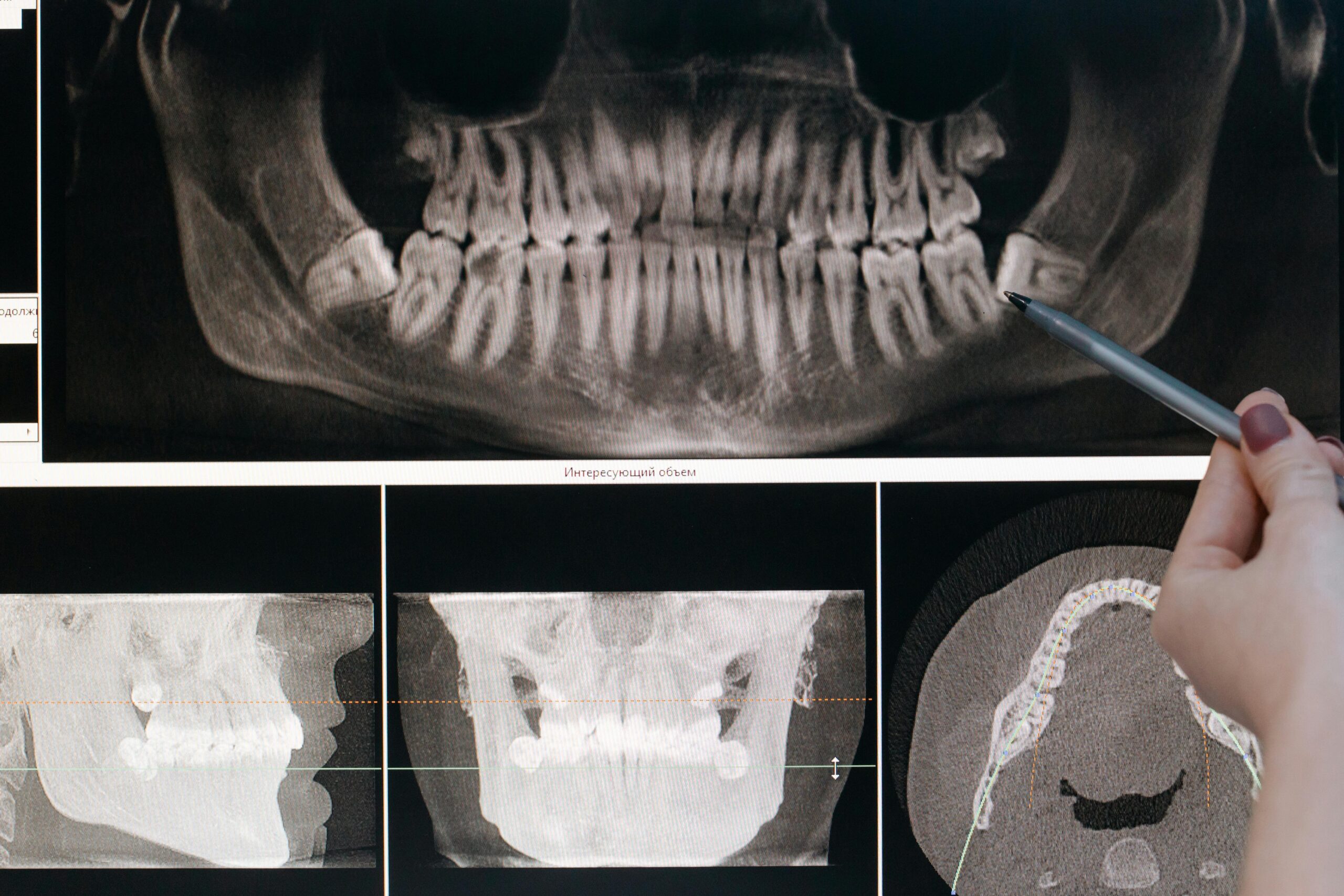
Your dentist will examine your mouth and take digital x-rays to assess the positioning of your wisdom teeth. If removal is recommended, sedation options may be discussed for your comfort. The procedure is performed with precision to ensure a smooth recovery.
Aftercare and Recovery
Postoperative instructions are provided and most patients recover within a few days. Swelling and discomfort are common but manageable with recommended care.
Your Smile Deserves Expert Care
Protect your oral health with trusted, comprehensive dental care. Book your appointment today for a cleaner, brighter, healthier smile.
Prevents pain, swelling, and infections from impacted teeth
Stops shifting or crowding of surrounding teeth
Reduces risk of cysts and gum complications
Makes cleaning the back of your mouth easier
Supports long-term oral health and comfort
Who It’s For
Patients with impacted or partially erupted wisdom teeth
Individuals experiencing pain, swelling, or jaw discomfort
Anyone with overcrowding or teeth shifting
Patients recommended for preventive removal before complications develop
Dentist Introduction
Dr. Thomas Ramzy
Principal Dentist
Our dentist performs wisdom teeth removal with careful planning and gentle techniques. Whether it’s a simple extraction or a more complex case, your comfort and safety are the top priority, with guidance every step of the way.
Treatment Process
Seamless Care in Three Steps
( 01 )
Book Appointment
Your dentist will review your symptoms and take diagnostic images to understand the position of your wisdom teeth.
( 02 )
Medical Consultation
A detailed assessment is done using X-rays or scans. Your dentist explains the type of extraction needed, sedation options, and what to expect during recovery.
( 03 )
Treatment & Care
Wisdom teeth are removed using precise surgical techniques. After the procedure, you’ll receive clear aftercare instructions to manage healing, swelling, and comfort.
Choose from a wide range of programs tailored to individuals, teams, and communities—each grounded in empathy and evidence-based practices.
3D Cone Beam CT Scan
Detailed Imaging for Safer Extractions
This scan provides a full 3D view of your wisdom teeth, nerves, and jaw structure, helping your dentist plan the extraction with accuracy and minimise complications.
Piezoelectric Surgical Device
Gentle, Precise Bone Cutting
Using ultrasonic vibrations, this tool allows more controlled cuts around the tooth, reducing trauma, swelling, and improving healing comfort.
Have More Any Questions?
A simple guide with quick answers to the questions people ask most, helping you understand our dental care services with ease