
Wisdom Teeth Removal Recovery: What Actually Happens After the Chair Reclines Back Up
Wisdom teeth removal recovery is the physical and biological healing phase that begins immediately after impacted or erupted third molars are surgically extracted. It involves soft-tissue repair, bone remodelling, inflammation control, and gradual restoration of jaw function.
While most people expect chaos, swelling, pain, and weeks of disruption, the reality is more nuanced. Modern surgical techniques, better pain protocols, and patient-guided aftercare have turned recovery into a predictable, manageable process rather than an ordeal.
This guide goes beyond surface advice. We’ll unpack what’s really happening under the gum line, why some people bounce back quickly while others don’t, and how to stack the odds in your favour. based on clinical data, Australian dental standards, and real patient recovery patterns.
Understanding the Biology Behind Wisdom Teeth Removal Recovery
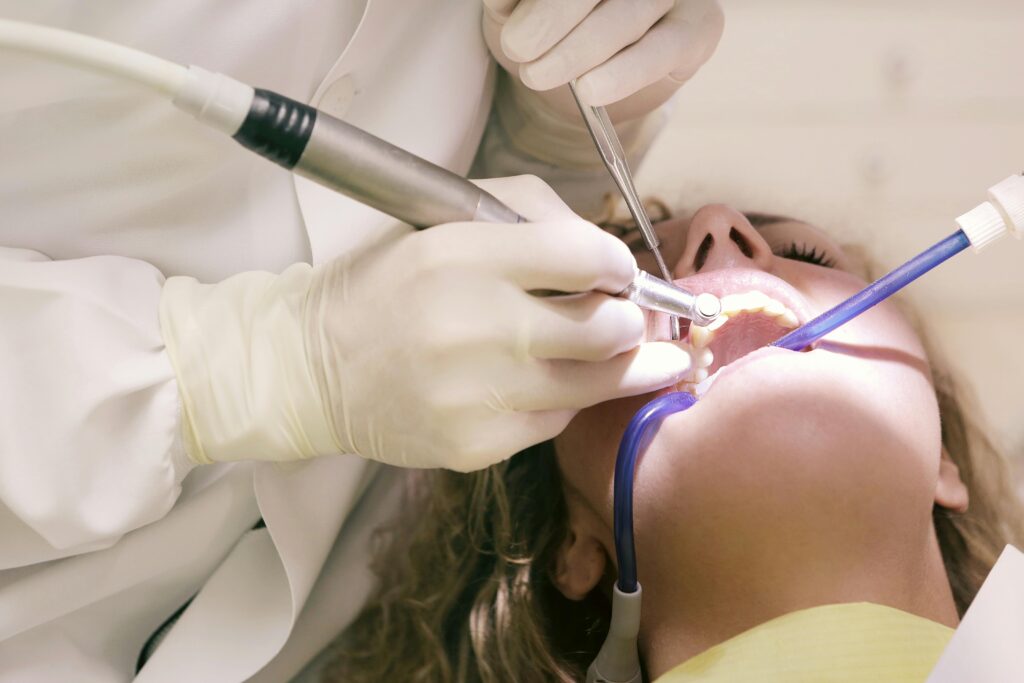
Wisdom teeth removal recovery isn’t just about “waiting it out.” It’s a staged biological response.
What Your Body Is Doing Post-Extraction
After extraction, the body triggers a coordinated healing cascade:
- Clot formation – protects bone and nerves
- Inflammatory phase – immune cells clean the site
- Granulation tissue growth – soft tissue rebuilds
- Bone remodelling – socket fills and strengthens
Disruption at any stage. especially clot loss can delay wisdom teeth removal recovery significantly. If you’re concerned about discomfort during extraction, a sedation dentist near Sutherland Shire can help make the procedure itself more relaxed from start to finish.
Why Wisdom Teeth Are Different From Other Extractions
Wisdom teeth sit at the back of the jaw where:
- Bone is denser
- Access is limited
- Nerves are closer
- Teeth are often angled or impacted
This anatomical reality means wisdom teeth removal recovery demands more precision than routine extractions.
The Real Timeline of Wisdom Teeth Removal Recovery (Not the Internet Myth)
| Recovery Phase | What’s Normal | What’s Not |
|---|---|---|
| Day 1–2 | Swelling, tight jaw, light bleeding | Sharp worsening pain |
| Day 3–5 | Peak swelling, bruising | Foul taste, fever |
| Day 7 | Stitches dissolve or removed | Increasing pain |
| Week 2 | Soft tissue closed | Persistent swelling |
| Weeks 3–6 | Bone healing continues | Numbness, tingling |
For most patients, functional recovery occurs within 7–10 days, even though internal bone healing continues longer.
Pain vs Pressure: A Misunderstood Part of Wisdom Teeth Removal Recovery
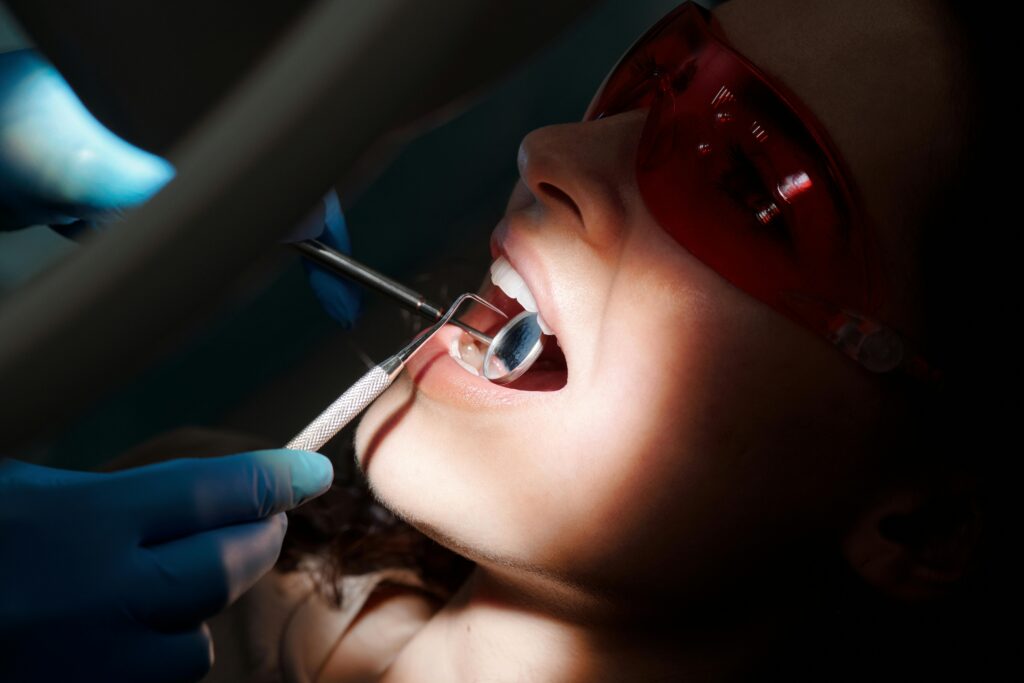
Many patients report pressure, not pain. That sensation comes from:
- Tissue swelling against the jaw
- Limited lymphatic drainage
- Muscle stiffness
True pain that escalates after day three may signal dry socket. a known complication affecting 2–5% of routine extractions and up to 30% of impacted cases according to Australian oral surgery data.
Dry Socket: The One Thing That Can Derail Wisdom Teeth Removal Recovery
Dry socket occurs when the protective clot dislodges prematurely.
Risk Factors Include:
- Smoking or vaping
- Drinking through straws
- Poor oral hygiene
- Traumatic extraction
Once exposed, the bone becomes inflamed, intensifying pain and extending wisdom teeth removal recovery by 7–10 days.
Eating, Talking, and Sleeping: The Recovery Trifecta
Eating Without Sabotaging Healing
Stick to foods that don’t disturb the clot:
- Mashed vegetables
- Soft proteins (eggs, fish)
- Smooth soups (lukewarm only)
Avoid rice, seeds, and crunchy textures until your dentist clears you.
Talking & Jaw Movement
Gentle jaw motion helps prevent stiffness but excessive talking in the first 48 hours increases swelling.
Sleep Position
Elevated head positioning reduces blood pooling and inflammation during wisdom teeth removal recovery.
The Hidden Role of Age in Recovery Outcomes
Australian clinical audits show patients under 25 heal faster due to:
- Higher bone elasticity
- Better circulation
- Lower complication rates
That doesn’t mean older patients struggle. it simply means post-operative compliance matters more.
Sedation and Its Effect on Recovery Quality
Patients who undergo extractions under IV sedation or sleep dentistry often experience:
- Lower stress hormone release
- Reduced muscle tension
- Smoother early-stage wisdom teeth removal recovery
This is why sedation is commonly recommended for complex or multiple extractions.
When Recovery Isn’t “Normal” And Why Early Review Matters
Contact your dentist if you notice:
- Increasing pain after day 4
- Persistent numbness
- Pus or foul odour
- Fever or difficulty swallowing
Early intervention often shortens wisdom teeth removal recovery rather than prolonging it.
Expert-Led Recovery: Why Provider Experience Changes Outcomes
Clinics that routinely perform surgical extractions demonstrate:
- Shorter procedure times
- Lower trauma to surrounding tissue
- Reduced complication rates
That’s why choosing a practice with a strong surgical focus matters. not just for the procedure, but for the entire wisdom teeth removal recovery journey.
Pro Tips for a Smoother Wisdom Teeth Removal Recovery
- Follow medication timing exactly
- Ice consistently for the first 48 hours
- Rinse only after 24 hours and gently
- Attend your review appointment even if you “feel fine”
Small habits dramatically influence healing speed. If you want more tips, visit one of Ask The Dentist’s articles on 12 Essential Tips for Fast Recovery After Wisdom Teeth Surgery.
Final Thoughts
Wisdom teeth removal recovery doesn’t begin after surgery. it starts with choosing the right clinic, the right technique, and the right aftercare guidance.
At Bay Central Dental, our approach is built around surgical precision, patient education, and predictable recovery outcomes. From assessment to aftercare, every step is designed to minimise disruption and maximise healing.
If you’re looking for a trusted local clinic with a strong surgical focus, start by visiting Bay Central Dental, our home base for patient-centred dentistry and long-term oral health.
For patients considering extraction, our dedicated Wisdom Teeth Removal service provides comprehensive assessment, modern surgical techniques, and recovery-focused care tailored to Australian patients.
Frequently Asked Questions
How long does wisdom teeth removal recovery actually take?
Most patients resume normal routines within 7–10 days, though bone healing continues for several weeks.
Is swelling on one side normal?
Yes. Asymmetrical swelling is common, especially if one tooth was more impacted.
Can I exercise during recovery?
Light walking after 48 hours is fine. Avoid strenuous activity for at least a week.
Why does my jaw feel stiff?
Muscle guarding and inflammation cause temporary trismus, which usually resolves within 5–7 days.
Will I need time off work?
Most people take 2–3 days off, depending on extraction complexity and pain tolerance.