
Wisdom Tooth Extraction: What It Really Means
Wisdom tooth extraction is a minor oral surgical procedure to remove one or more third molars. typically, the last teeth to erupt, usually between ages 17 and 25. While the phrase alone can spark anxiety, the reality is far more nuanced. This procedure isn’t just about removing a problematic tooth; it’s about preventing long-term damage to your bite, jaw, and overall oral health.
In Australia, wisdom tooth extraction is one of the most commonly performed dental surgeries, largely because modern jaws often don’t have enough room to accommodate these late arrivals. When wisdom teeth don’t erupt properly, they can become impacted, partially erupted, or trapped beneath the gum, creating a perfect storm for pain, infection, and structural damage.
This article goes beyond the basics. We’ll unpack the why, the when, and the what-happens-if-you-don’t, using real clinical insights, Australian data, and practical recovery guidance without the fluff.
Why Wisdom Teeth Cause Trouble in Modern Mouths

Human jaws have gradually become smaller over thousands of years due to dietary changes. Softer, processed foods mean less jaw development, but wisdom teeth haven’t got the memo.
When these teeth attempt to erupt, several problems can occur:
- Lack of space leading to crowding
- Angled or sideways eruption (mesioangular impaction)
- Partial eruption that traps bacteria
- Pressure on adjacent molars causing decay or root damage
This is where wisdom tooth extraction becomes preventative care, not just reactive treatment.
The Silent Damage: What Happens If You Leave Them Too Long
One of the biggest misconceptions is that wisdom teeth only need removal if they hurt. Clinically, pain is often the last symptom to appear.
Unchecked wisdom teeth can lead to:
- Chronic gum infections (pericoronitis)
- Cysts or tumours forming around the tooth follicle
- Decay in neighbouring molars that are otherwise healthy
- Progressive bite misalignment
- Jaw stiffness and TMJ strain
Australian dental case reviews show that patients who delay wisdom tooth extraction past their late 20s experience longer healing times and higher complication rates.
Signs You Might Need Wisdom Tooth Extraction (Even Without Pain)
Not all warning signs scream for attention. Dentists often recommend wisdom tooth extraction after spotting subtle red flags during routine exams.
Common indicators include:
- Recurrent gum swelling behind the molars
- Bad taste or persistent bad breath
- Food packing around the back teeth
- Headaches or ear pain with no clear cause
- X-rays showing impacted or decaying third molars
This is why regular assessments matter, issues are often visible radiographically long before symptoms hit. If you’re considering professional care or want to understand your options for wisdom teeth removal in Sydney, our experienced team provides clear guidance, modern techniques, and comfort-focused treatment tailored to each patient.
How Dentists Decide: The Clinical Assessment Process
Before recommending wisdom tooth extraction, dentists follow a structured evaluation process designed to minimise unnecessary surgery.
Step-by-step assessment:
- Clinical examination of gums and bite alignment
- Panoramic X-ray (OPG) to assess tooth position and nerve proximity
- Risk profiling based on age, health, and jaw anatomy
- Timing strategy. early removal vs monitored retention
Here’s a simplified table used in clinical decision-making:
| Factor | Low Risk | High Risk |
|---|---|---|
| Age | Under 25 | Over 30 |
| Tooth position | Fully erupted | Impacted |
| Symptoms | None | Recurrent |
| Bone density | Soft | Dense |
Early-stage wisdom tooth extraction often results in smoother recovery and fewer complications.
Modern Wisdom Tooth Extraction Is Not What It Used to Be
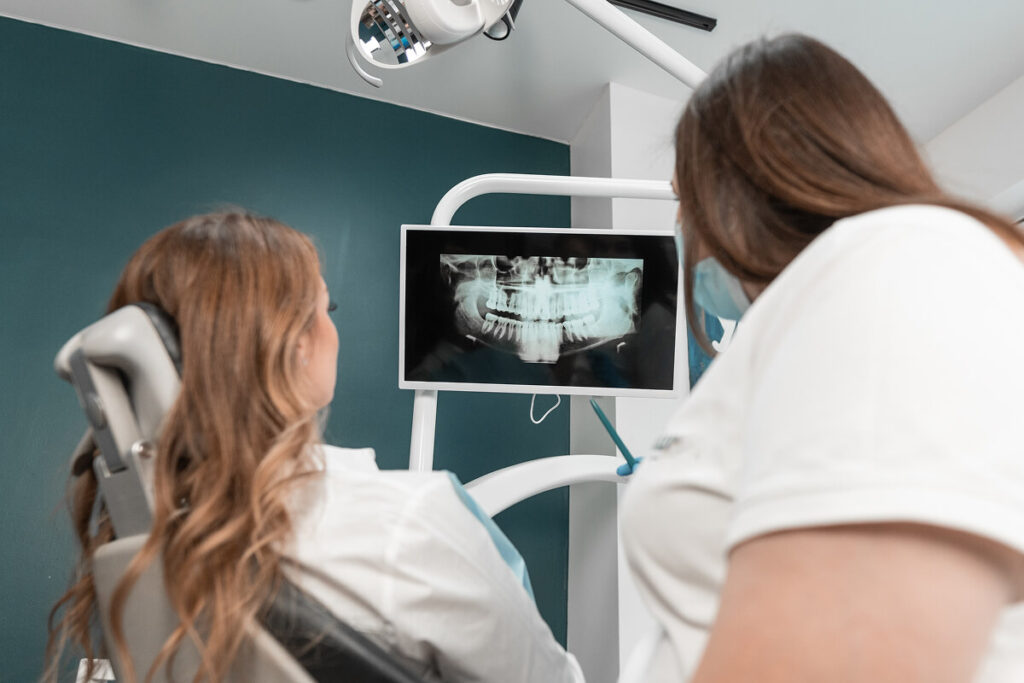
Thanks to advances in imaging, anaesthesia, and surgical technique, wisdom tooth extraction today is far more controlled and predictable.
What’s changed:
- Digital imaging for precision planning
- Minimally invasive flap designs
- Faster procedures with reduced trauma
- Sedation options for anxious patients
Many Australian clinics now offer tailored comfort solutions, making the experience far less intimidating than its reputation suggests.
For patients with dental anxiety or strong gag reflexes, Sleep Dentistry is often combined with wisdom tooth extraction to ensure a calm, stress-free procedure.
Recovery Reality Check: What Healing Actually Looks Like
Recovery from wisdom tooth extraction is highly individual, but most patients return to normal routines within a few days.
Typical recovery timeline:
- Day 1–2: Swelling, mild discomfort, rest recommended
- Day 3–5: Reduced swelling, improved mouth opening
- Day 7: Stitches dissolve or are removed
- Week 2: Soft tissue largely healed
Following post-op instructions is critical to avoid complications like dry socket, which occurs when the blood clot dislodges too early.
Nutrition, Work, and Talking: Practical Post-Op Adjustments
One underrated aspect of wisdom tooth extraction is how it temporarily affects everyday habits.
Smart recovery tips:
- Stick to soft, protein-rich foods
- Avoid straws, smoking, and vigorous rinsing
- Sleep with head elevated for 48 hours
- Use cold compresses in short intervals
Most patients can return to desk work within 1–2 days, while physically demanding jobs may require additional rest. If you want more tips, visit one of Milltown Dental’s articles on 11 Expert-Backed Tips for a Fast Wisdom Teeth Recovery.
Cost, Value, and Long-Term Payoff
While wisdom tooth extraction involves upfront cost, it often prevents far more expensive treatments later. such as root canal therapy, crowns, or orthodontic correction.
Australian private dental data consistently shows that early intervention reduces cumulative dental spend over a 10–15 year horizon.
In other words, this procedure is less about expense and more about strategic oral health planning.
How Wisdom Tooth Extraction Fits Into Preventive Dentistry
Wisdom tooth extraction doesn’t exist in isolation. It’s often part of a broader oral health strategy that includes:
- Routine dental exams
- Periodontal monitoring
- Bite assessment
- Long-term tooth preservation
Clinics with strong preventive focus integrate surgical decisions into whole-mouth planning, not quick fixes.
Pro Tips:
- Don’t wait for pain, get imaging early
- Ask about nerve proximity on X-rays
- Plan extraction timing around work or study breaks
- Follow post-op care strictly
Small decisions here make a big difference later.
Final Thoughts: Make the Smart Call for Your Future Smile
Wisdom tooth extraction isn’t about fear, it’s about foresight. When assessed early and performed properly, it protects your bite, your comfort, and your long-term dental health.
If you’re looking for experienced clinicians who prioritise prevention, comfort, and clear communication, explore Bay Central Dental a trusted Australian practice focused on whole-mouth care and evidence-based dentistry.
For patients specifically considering this procedure, our Wisdom Teeth Removal service page explains treatment options, sedation choices, and recovery support in detail, so you know exactly what to expect before taking the next step.
Actionable next step: Book a comprehensive assessment, review your X-rays, and get a personalised recommendation before wisdom teeth turn into a bigger problem than they need to be.
Frequently Asked Questions
Do all wisdom teeth need to be removed?
No. Only wisdom teeth that pose current or future risk are candidates for extraction.
Is wisdom tooth extraction painful?
With modern anaesthesia and sedation, discomfort is minimal during the procedure and manageable afterwards.
What’s the best age for wisdom tooth extraction?
Late teens to early 20s typically offer the fastest healing and lowest risk.
Can I drive myself home after the procedure?
Not if sedation is used, you’ll need a responsible adult to assist.
How long before I can eat normally again?
Most patients resume normal eating within 7–10 days, depending on healing.